Counterfeit Spirits in Vietnam: How to Drink Safely
Methanol in fake spirits has killed travellers in Vietnam, and the bottles have come from ordinary bars and shops. The rules for avoiding it are simple and they are not the ones you have heard.
Editorial Written and fact-checked for American travelers
Vietnam is a cheap and sociable place to drink, and most of the drinking in it is beer. The risk is in spirits. Counterfeit or home-distilled liquor containing methanol circulates in Vietnam, as it does elsewhere in Southeast Asia, and it has caused deaths among tourists. This is not a reason to stop drinking. It is a reason to understand where the risk lives, because it is narrower than the headlines and wider than the common advice.
What the risk actually is
Methanol poisoning from alcoholic drinks is a documented hazard in Vietnam. The UK government's travel advice states that there have been deaths and serious illness from drinks containing methanol, bought in licensed bars, shops and hotels in tourist areas, that even a small amount can kill, and that methanol cannot be detected by taste or smell. The State Department's Vietnam page does not address it; the British page is the official source that does.
The mechanism is ordinary fraud. A bottle with a known label is refilled with cheap distilled alcohol, or a bar buys spirits from a supplier whose stock was never genuine, or a batch of local rice liquor is distilled badly. Methanol is a by-product of bad distillation and an adulterant in cheap fakes, and it is poisonous in quantities that ethanol is not.
The part most advice gets wrong
You will read that a drink which tastes harsh or sweet is suspect. The government advice is explicit that taste and smell do not reveal methanol, so a drink that tastes fine is no reassurance and a drink that tastes rough is not evidence. The protection is in where the bottle came from, not in the glass.
Where the risk is low
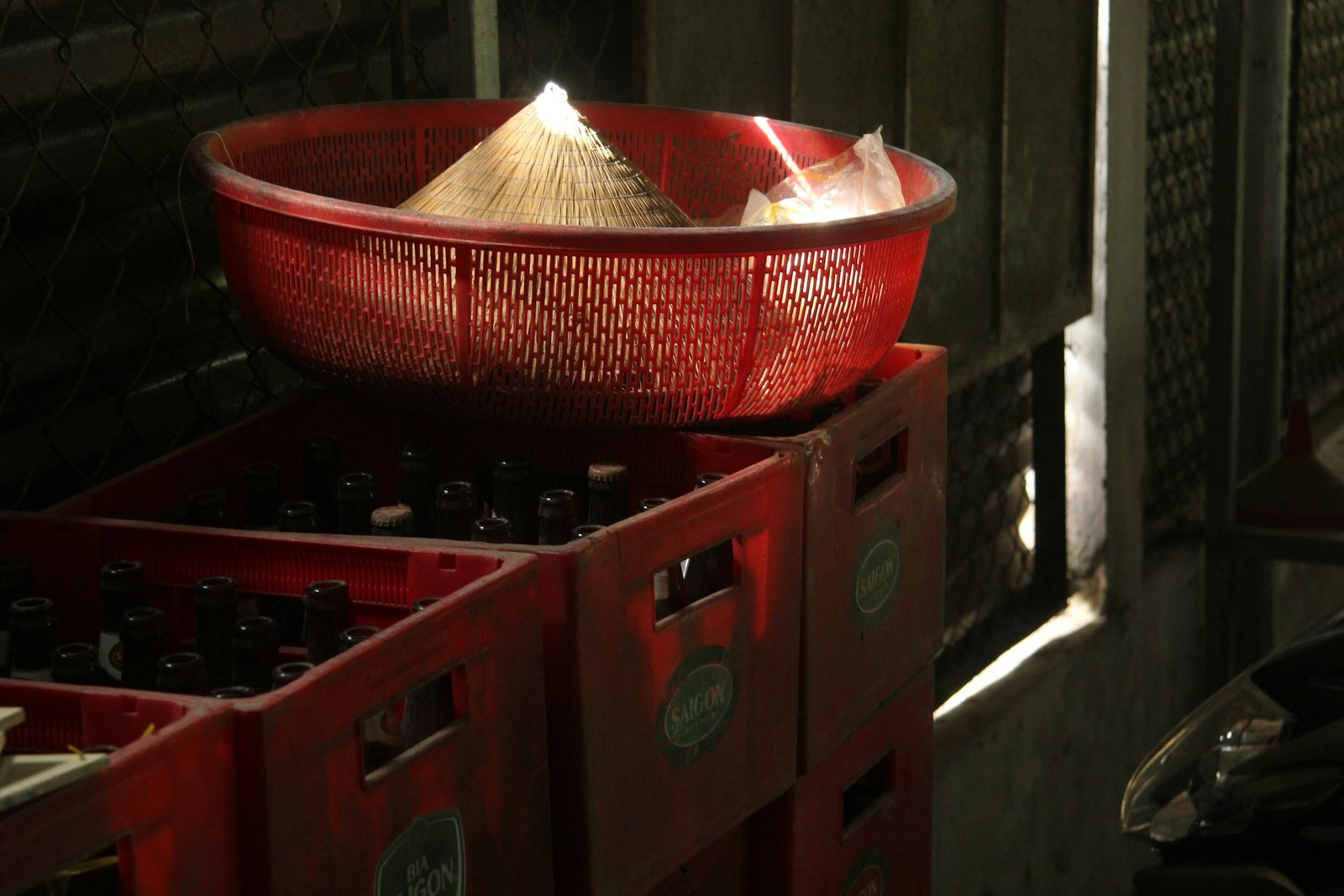
Beer is the low-risk drink in Vietnam. A canned or bottled beer opened in front of you, from any of the national brands, carries essentially no methanol risk, and the same is true of the fresh draught beer poured from kegs on street corners in Hanoi, which is brewed, not distilled. Wine from a sealed bottle with an intact seal is in the same category. If you drink only those, this article is background.
Why beer is different
Methanol comes from distillation or adulteration. Beer is not distilled and is not worth faking at its price. Spirits are both.
Where the risk is higher
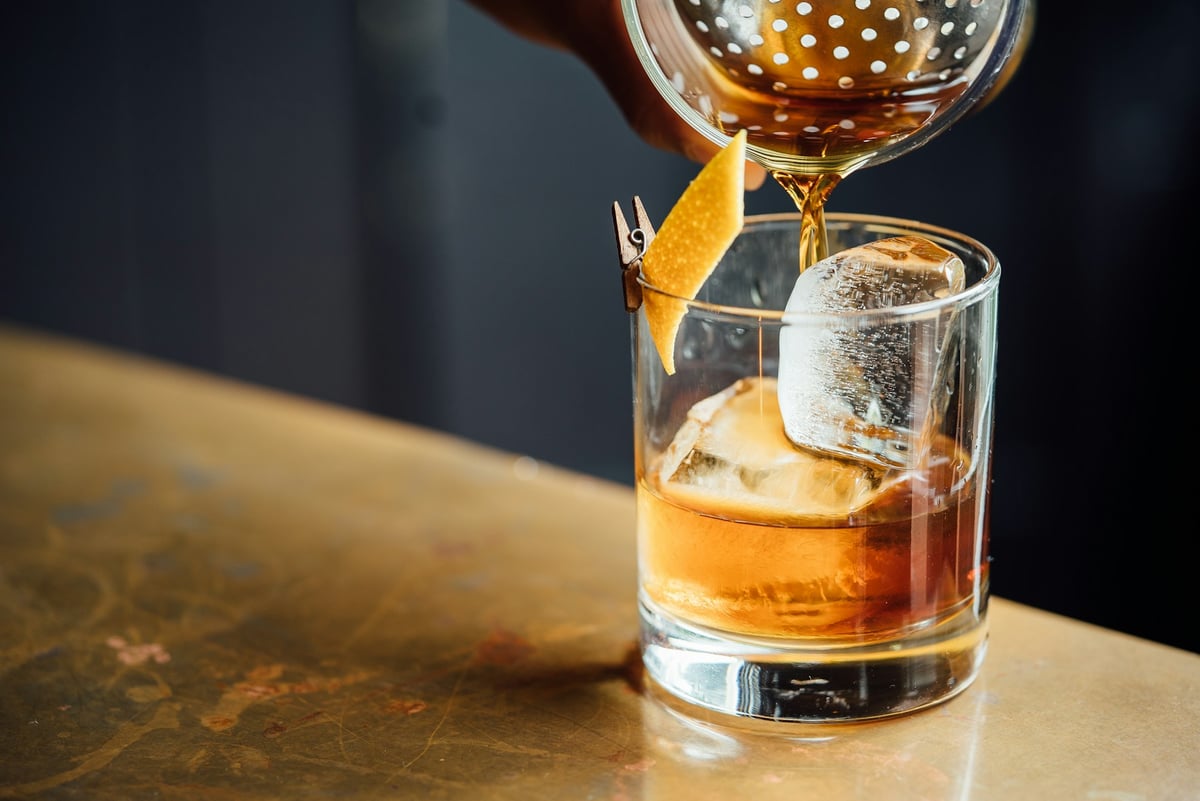
Spirits poured from an open bottle are the exposure: cocktails, mixed drinks, shots and free-pour measures in places where the bottle's history is unknown. The cases that reach the news cluster in backpacker nightlife areas and beach resorts, where cheap cocktail deals, drinks in buckets and all-you-can-drink promotions are sold at prices that do not cover genuine spirits. A cocktail that costs less than the beer next to it is being made from something.
Home-distilled rice liquor is the other source. It is offered with real hospitality in the countryside and at Tet, it is usually fine, and it is unregulated. A glass with a family is a judgement call most travellers make in favour of the family. A night on it in a bar is not.
The branded bottle is not proof
The whole point of the fraud is the label. A famous name on a bottle behind a bar tells you what the bar paid for the label, not what is in it.
Rules that work
Drinking safely in Vietnam comes down to four habits. Drink beer or sealed wine by default. Drink spirits in established hotel bars and restaurants whose supply chain is their reputation, not in promotion bars. Buy any bottle you take home or to a party from a supermarket or a chain store, not a corner shop or a street seller. Decline anything free-pour, bucket-sized or implausibly cheap, however good the night is going.
None of those is a hardship. Together they remove nearly all of the exposure, and they leave the drinking culture intact, because the drinking culture is beer on a plastic stool.
Spiked drinks are a separate problem
The same official advice tells you to buy your own drinks, keep them in sight and be wary of drinks or snacks from new acquaintances. That is about drugging, not methanol, and the precaution is the same one you would take in any nightlife district at home.
If someone is ill
Methanol poisoning does not look like methanol poisoning at first. Symptoms can be delayed for many hours after drinking and start as a hangover: headache, nausea, confusion, dizziness. The distinguishing sign is the eyes: blurred or snowy vision, sensitivity to light, or loss of sight. Breathing difficulty follows. Anyone who drank spirits the night before and has visual symptoms needs a hospital immediately, not sleep and water.
Call 113 for traffic police, 115 for an ambulance, or go directly to an international clinic. Treatment exists and works when it is early, and it is a hospital treatment; there is no home remedy. In Hanoi, a government-published list names Family Medical Practice, International SOS and Raffles Medical as English-speaking clinics with emergency medicine, and the same groups have clinics in Ho Chi Minh City and Da Nang. Tell the clinic what was drunk and where; it matters to the treatment and it may save the next person.
Insurance
Poisoning from a drink is an illness, not an accident, and it is covered by ordinary travel medical insurance; the policy exclusions to read are the ones about intoxication, which vary. Carry the insurer's emergency number with the local ones.
Keep planning
Not sure how it all fits together?
Pick your trip length and we'll route a real day-by-day plan.