Vietnam has a strong reputation among women travelling alone. The experience commonly described is of a country that is easy to move around, well set up for independent travel and not especially intimidating — though reported experience varies, and this page is not a guarantee. What follows is what still deserves attention.
The baseline
The State Department places Vietnam at Level 1 — Exercise Normal Precautions, the lowest of its four levels, and notes that petty crime is common, especially in popular tourist locations. Violent crime against foreigners is uncommon. None of that is specific to women travelling alone, but it is the context everything else sits in.
Vietnam also has a dense backpacker and independent-travel infrastructure — hostels, booked tours, night buses, English on menus — so a solo traveller is a familiar sight on the main circuit, if less so once you leave it.
What people most often report
Staring and curiosity rather than harassment is what travellers most often describe, particularly outside the big cities and towards visibly foreign women. Most accounts read it as curiosity rather than hostility, though that is an interpretation rather than a measurement, and some women find the attention wearing.
Practical precautions that actually help
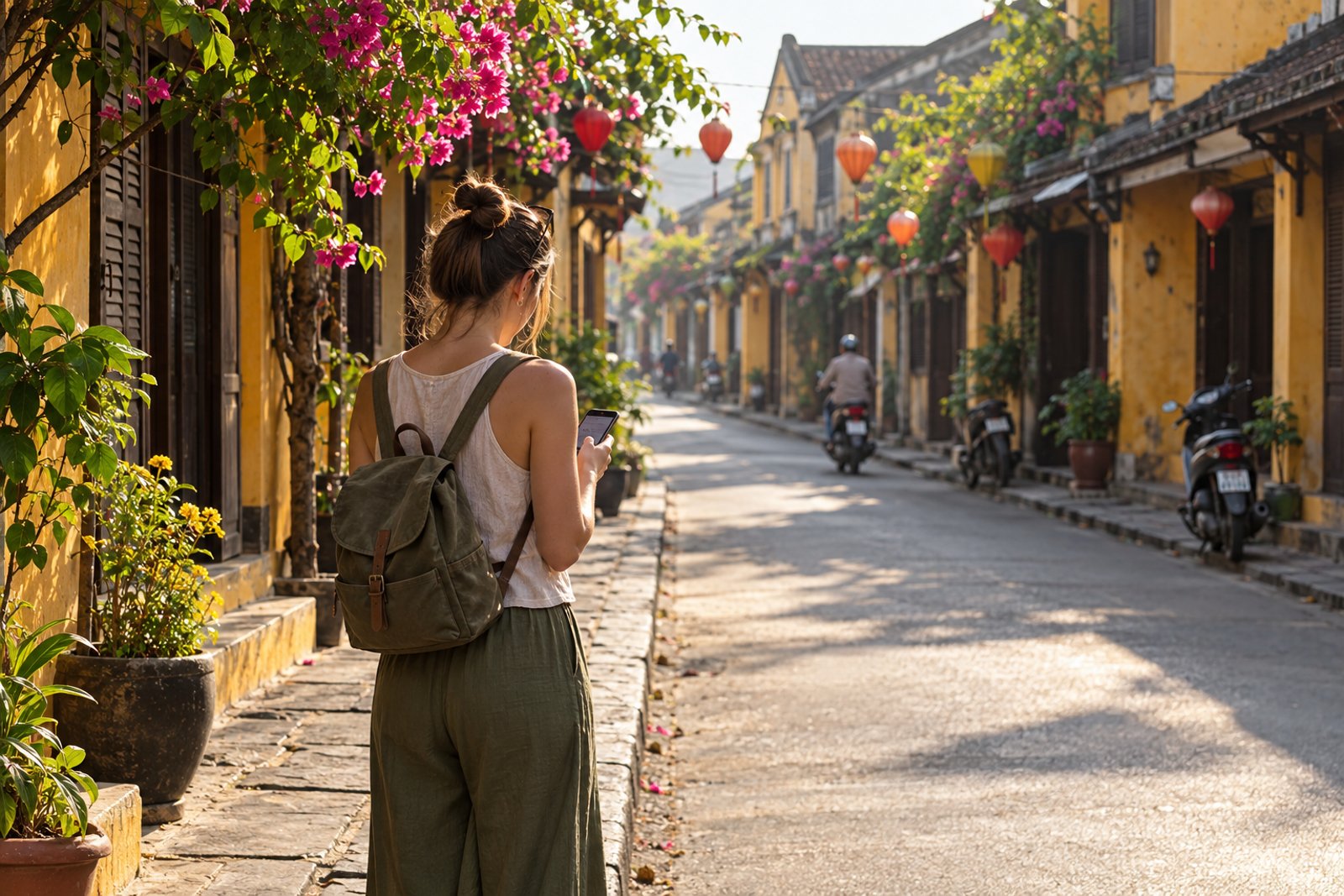
The ones that matter are mostly the same ones that matter for anyone, applied a bit more consistently. Use Grab rather than flagging taxis, because the driver, the vehicle and the fare are all recorded. Avoid walking alone at night in unlit or empty areas, as you would anywhere. Keep your phone away from the kerb — snatching from a moving motorbike is the signature crime in Vietnamese cities and it does not discriminate.
The usual nightlife precautions apply as they would in any bar district: watch your drink being poured, keep it with you, and treat very cheap buckets and free-shot promotions with the same caution you would at home. The backpacker strips — Bui Vien in Ho Chi Minh City, Ta Hien in Hanoi — are the places where that is most worth remembering, simply because that is where the drinking happens.
Accommodation
Hostels in Vietnam commonly offer female-only dorms, and they are worth asking for if that matters to you. Check that your room locks from the inside; it is a quick thing to confirm and not something to assume anywhere. Arriving in an unfamiliar town after dark is worth avoiding where you can, which is one argument for daytime buses over overnight ones when the schedule allows.
Dress and cultural expectations
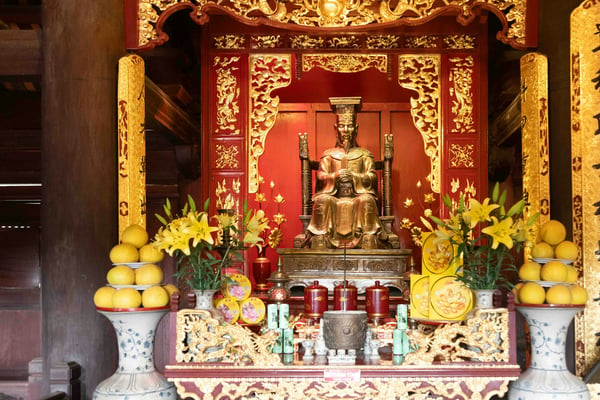
Everyday dress in Vietnamese cities is relaxed and Western, and shorts and strappy tops are unremarkable. Temples and pagodas require shoulders and knees covered, and the Ho Chi Minh Mausoleum enforces a notably stricter code — no shorts, no bare shoulders, hats off.
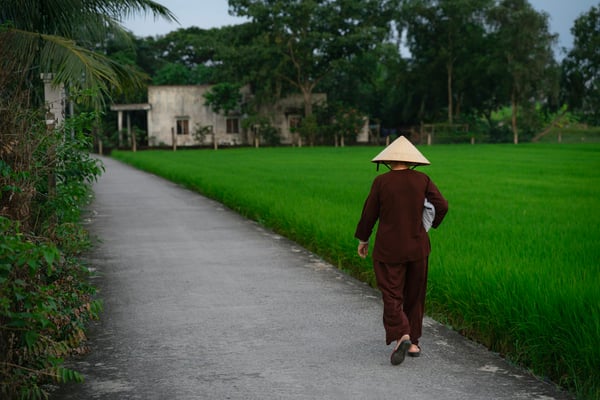
In rural areas and the northern mountain villages, local women dress more conservatively, and dressing a little more modestly there is a courtesy rather than a requirement.
Trekking and tours alone
Joining a group trek in Sapa or a Ha Long cruise as a single traveller is entirely ordinary, and operators are used to it. Some charge a single supplement on cruises; some will place you in a shared cabin instead, which is worth asking about before booking.
For independent guiding in Sapa, booking through a licensed agency rather than arranging it on the street gives you a company to contact if something goes wrong, which some solo travellers prefer.
A note on the motorbike question
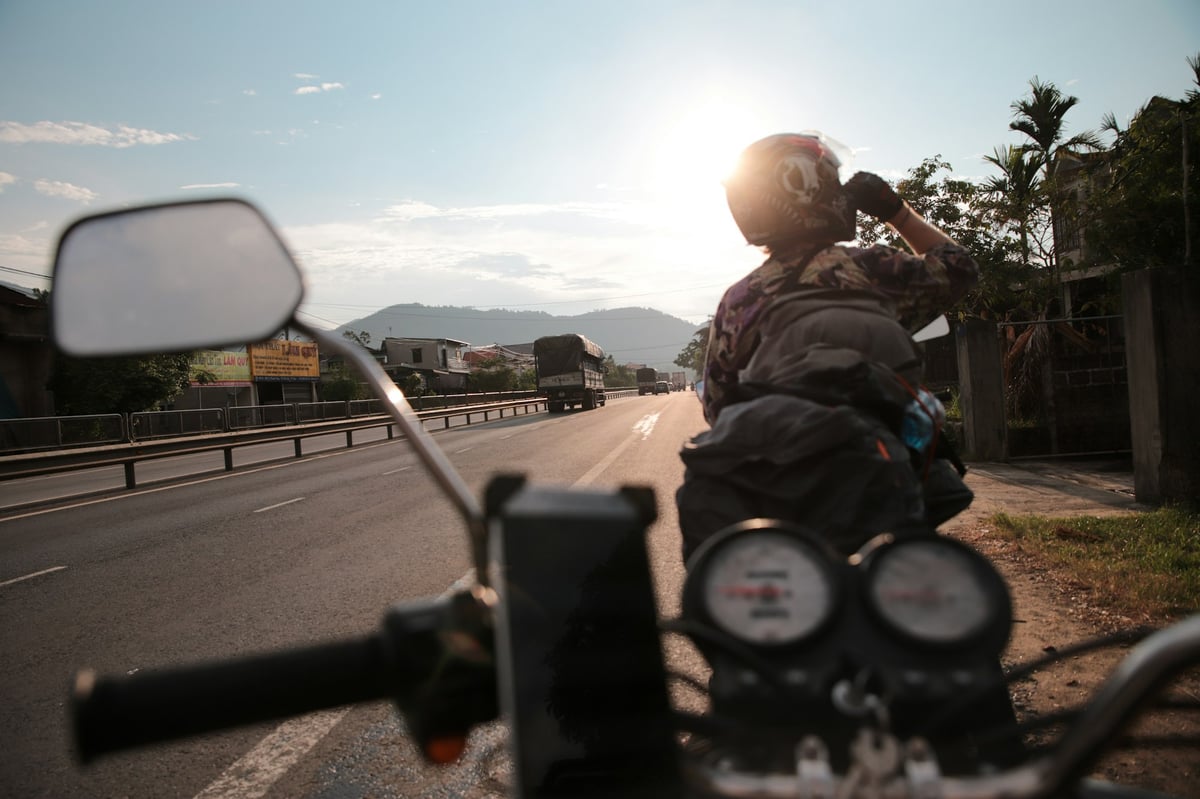
A US licence and an International Driving Permit are both invalid in Vietnam, which means riding one yourself is illegal and your travel insurance may decline a claim after an accident. Rental shops generally do not check, which is worth knowing precisely because the absence of a check is not permission.
Where solo travel is easiest
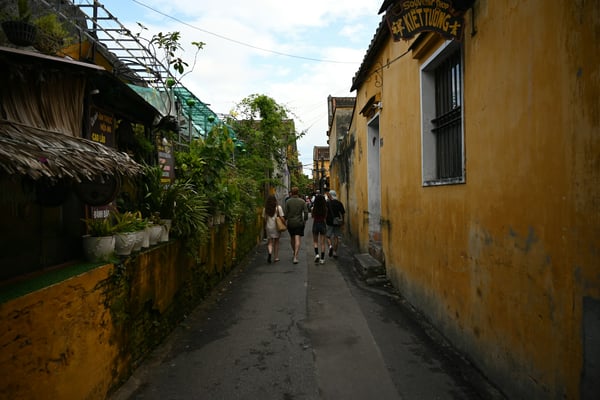
Hoi An, Da Nang and Da Lat are frequently named as the gentlest places to be alone: compact, walkable, used to independent visitors and low-pressure. Hanoi and Ho Chi Minh City are busier and more intense but also the best connected, with the widest choice of accommodation and the easiest transport.
The far north and the Mekong backroads are where solo travel takes more organising — fewer English speakers, thinner transport, and accommodation that is harder to assess in advance. Plenty of women travel both alone; they simply need more planning than the coast does.
Meeting people
Vietnam has one of the denser independent-travel circuits in Asia, which makes company easy to find when you want it. Hostels with common areas, group treks in Sapa, cooking classes in Hoi An and the overnight cruises all throw solo travellers together by default. The flip side is that the circuit is well worn, and stepping off it is where the better days usually are. (This article contains affiliate links — if you book through them we earn a small commission at no extra cost to you.)
Numbers and backup
Emergency numbers are 113 for traffic police, 115 for an ambulance, though they are frequently answered only in Vietnamese. For anything medically serious in Hanoi or Ho Chi Minh City, the international hospitals are the route generally recommended. Keep your accommodation's address written in Vietnamese, which solves most taxi and lost-phone problems at once.
Tell someone your rough plan when you are doing something remote — a Ha Giang loop, a multi-day trek — and remember that mobile coverage is good in most of the country but genuinely absent in deep valleys.
FAQ
Is Vietnam safe for solo female travelers?
The State Department places Vietnam at Level 1 — Exercise Normal Precautions, the lowest of its four levels, and notes that petty crime is common, especially in popular tourist locations. Violent crime against foreigners is uncommon. None of that is specific to women travelling alone, but it is the context everything else sits in.
What precautions actually help in Vietnam?
The ones that matter are mostly the same ones that matter for anyone, applied a bit more consistently. Use Grab rather than flagging taxis, because the driver, the vehicle and the fare are all recorded. Avoid walking alone at night in unlit or empty areas, as you would anywhere. Keep your phone away from the kerb — snatching from a…
How should women dress in Vietnam?
Everyday dress in Vietnamese cities is relaxed and Western, and shorts and strappy tops are unremarkable. Temples and pagodas require shoulders and knees covered, and the Ho Chi Minh Mausoleum enforces a notably stricter code — no shorts, no bare shoulders, hats off.
Keep planning
Not sure how it all fits together?
Pick your trip length and we'll route a real day-by-day plan.