Hanoi · Ha Long Bay · Hue · Hoi An · Da Nang · Ho Chi Minh City · Mekong Delta · Phu Quoc · Sapa
Vietnam for AmericansFor American travelers

Hai Van Pass: How to Cross It

The coastal mountain road between Hue and Da Nang, and the four ways to travel it. One of them you cannot legally do yourself.

Editorial
Written and fact-checked for American travelers
·5 min read·
Hai Van Pass: How to Cross It
On this page
  1. 01What is actually up there
  2. 02By train
  3. 03By car with a driver
  4. 04By motorbike, and the legal problem
  5. 05How long it takes
  6. 06What to stop for
  7. 07Timing and weather
  8. 08Which to choose
  9. 09FAQ

The Hai Van Pass climbs over a spur of mountains between Hue and Da Nang, with the sea on one side. It is among the best-known stretches of road in Vietnam, and if you are travelling between those two cities you will cross it one way or another — so the question is how.

What is actually up there

The road tops out at the Hai Van Gate, an old stone fortification that guarded the route, with later military structures around it. The view back along the coast on a clear day is why people stop.

Weather matters more here than the height suggests. The pass makes its own weather and can be sitting in cloud when both cities are clear.

The tunnel

A road tunnel runs beneath the pass. It is faster, motorbikes are not permitted through it, and it sees none of the view. Much through traffic uses it by default — so if you want the pass, say so when you book.
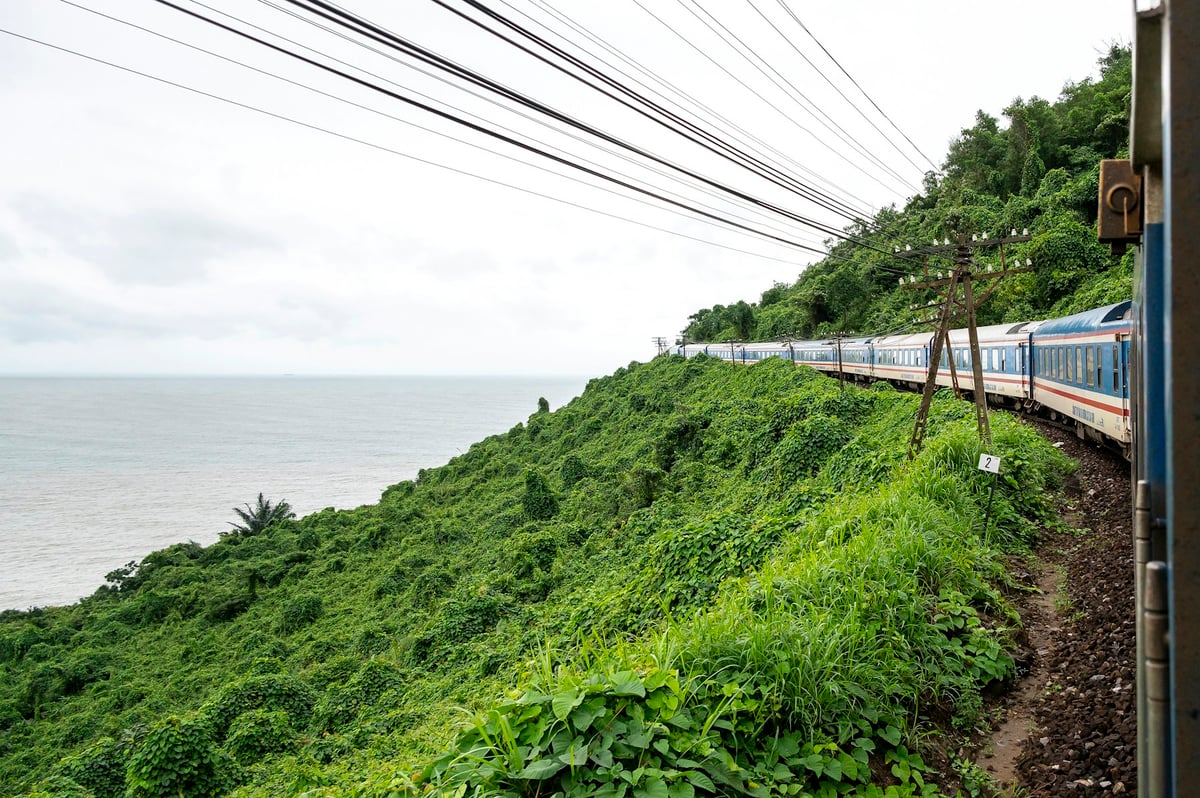
A train running along a green hillside above the sea on the central Vietnamese coast

The pass between Hue and Da Nang: Hue → Hai Van Pass → Da Nang. (Enable JavaScript for the interactive map.)

By train

The railway runs along the coast below the road between Hue and Da Nang; allow around three hours. It costs very little, it goes where the road cannot, and it is one of the best rail stretches in Southeast Asia. Ask for a seat on the sea side when you book.

This is the simplest answer for most itineraries: it replaces a transfer you were likely making anyway, and the views from the track are arguably better than from the road.

By car with a driver

A private car over the pass, with stops, is a half day rather than a hop, and it lets you get out at the top and at the beaches on either side. Many drivers will carry your luggage directly between hotels, which makes it a transfer and a day out at once.

It is the option that gives you the most control over the day, and the one that suits families, groups, and anyone who wants the photographs without riding.

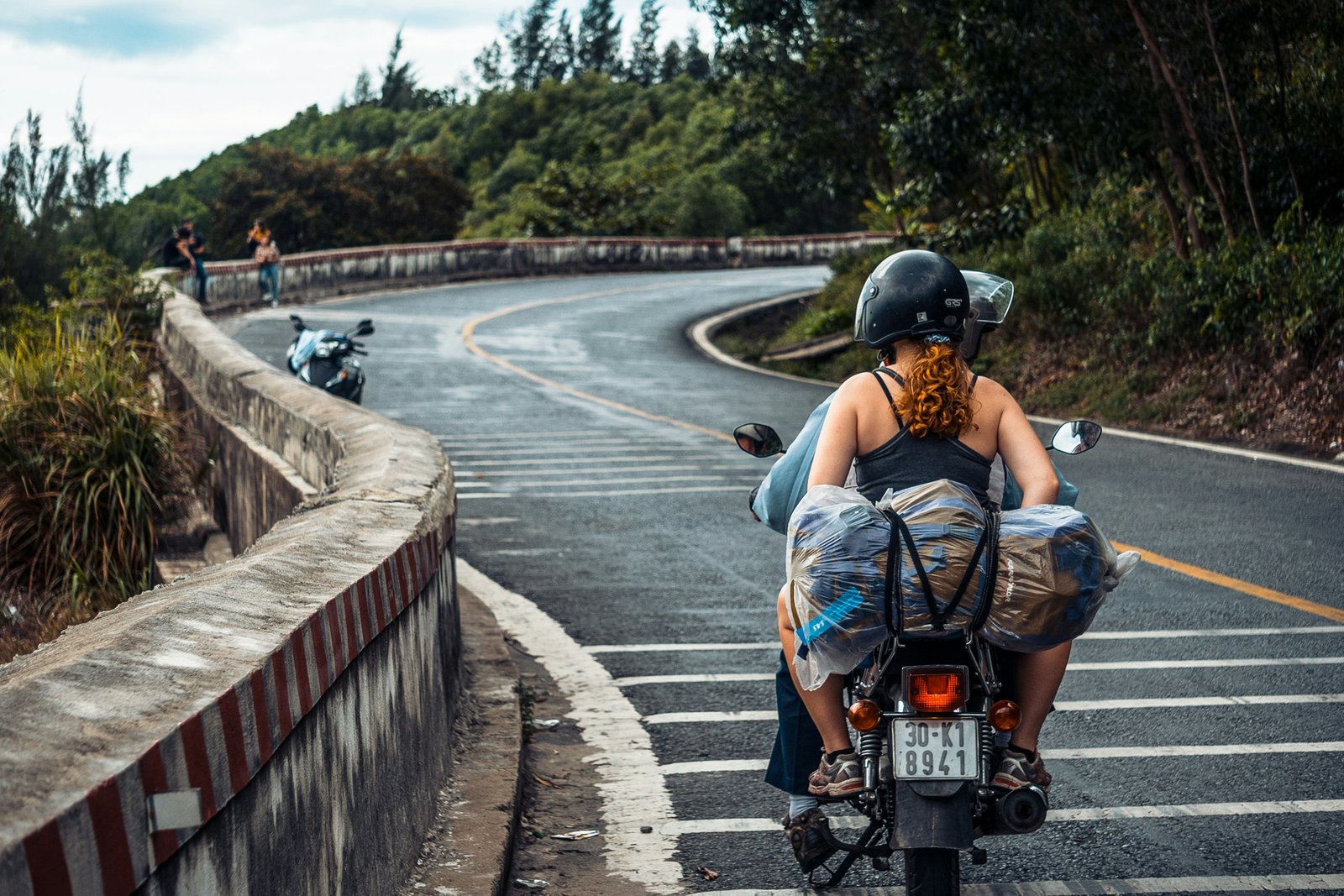
The pass is well known as a ride, and the easy-rider model — riding pillion behind an experienced local while your bag goes by van — is a common way to do it. Riding pillion removes the licence problem. It does not remove the road risk: this is a demanding road with switchbacks, trucks, sudden cloud and wet surfaces, and road traffic is the main hazard for visitors to Vietnam.

Riding it yourself is the other problem. A US licence and an International Driving Permit are both invalid in Vietnam, driving without a Vietnamese licence can mean a fine, arrest, or jail, and your travel insurance may decline a claim after an accident.

If you ride pillion

Easy-rider operators run the route in both directions. Agree in advance what is included — the bag transfer, lunch, the stops — and expect the day to be longer than the distance suggests, because the stopping is the point.


How long it takes

Da Nang to Hue is about 100 kilometres. Through the tunnel, allow around two hours by car. Over the pass without stopping, allow a little more. With stops at the summit and a beach it becomes a half day, and an easy-rider trip takes most of one.

The train runs to a timetable and is not held up by road traffic. Plan the day around whichever you pick rather than treating any of them as a quick hop.

What to stop for

The summit is the main stop: the old gate, the bunkers, the stalls selling drinks, and the view in both directions when the cloud allows. Heading south, Lang Co beach and its lagoon sit at the northern foot of the pass and are worth stopping for. Heading north out of Da Nang, the Son Tra peninsula and Linh Ung Pagoda are a detour before the climb begins.

Expect to be approached by vendors at the summit. Expect also that the view may simply not be there — a grey crossing is a real possibility rather than bad luck.

Timing and weather

September to November is the central coast's storm season, and it is the worst stretch for this crossing — cloud on the pass, wet and slick road surfaces, and a view that may not appear at all.

Which to choose

Train if you want the cheapest and easiest version, and the one least affected by the road sitting in cloud. Car with driver if you want to stop, or have luggage and company. Easy-rider if the road itself is why you came. The tunnel if you are in a hurry and do not mind missing it.

Booking it

Train tickets for this stretch are sold at the stations and through the national railway's own booking site, and the carriage classes vary by service. Private cars and easy-rider trips are arranged through hotels and local operators in both cities, usually a day or two ahead. Whichever you book, say explicitly whether you want the pass or the tunnel.

The rest of Vietnam's long legs are a separate question, and one Vietnam, End to End works through.

FAQ

What is at the top of the Hai Van Pass?

The road tops out at the Hai Van Gate, an old stone fortification that guarded the route, with later military structures around it. The view back along the coast on a clear day is why people stop.

Can you see the Hai Van Pass from the train?

The railway runs along the coast below the road between Hue and Da Nang; allow around three hours. It costs very little, it goes where the road cannot, and it is one of the best rail stretches in Southeast Asia. Ask for a seat on the sea side when you book.

What is crossing the Hai Van Pass by car like?

A private car over the pass, with stops, is a half day rather than a hop, and it lets you get out at the top and at the beaches on either side. Many drivers will carry your luggage directly between hotels, which makes it a transfer and a day out at once.