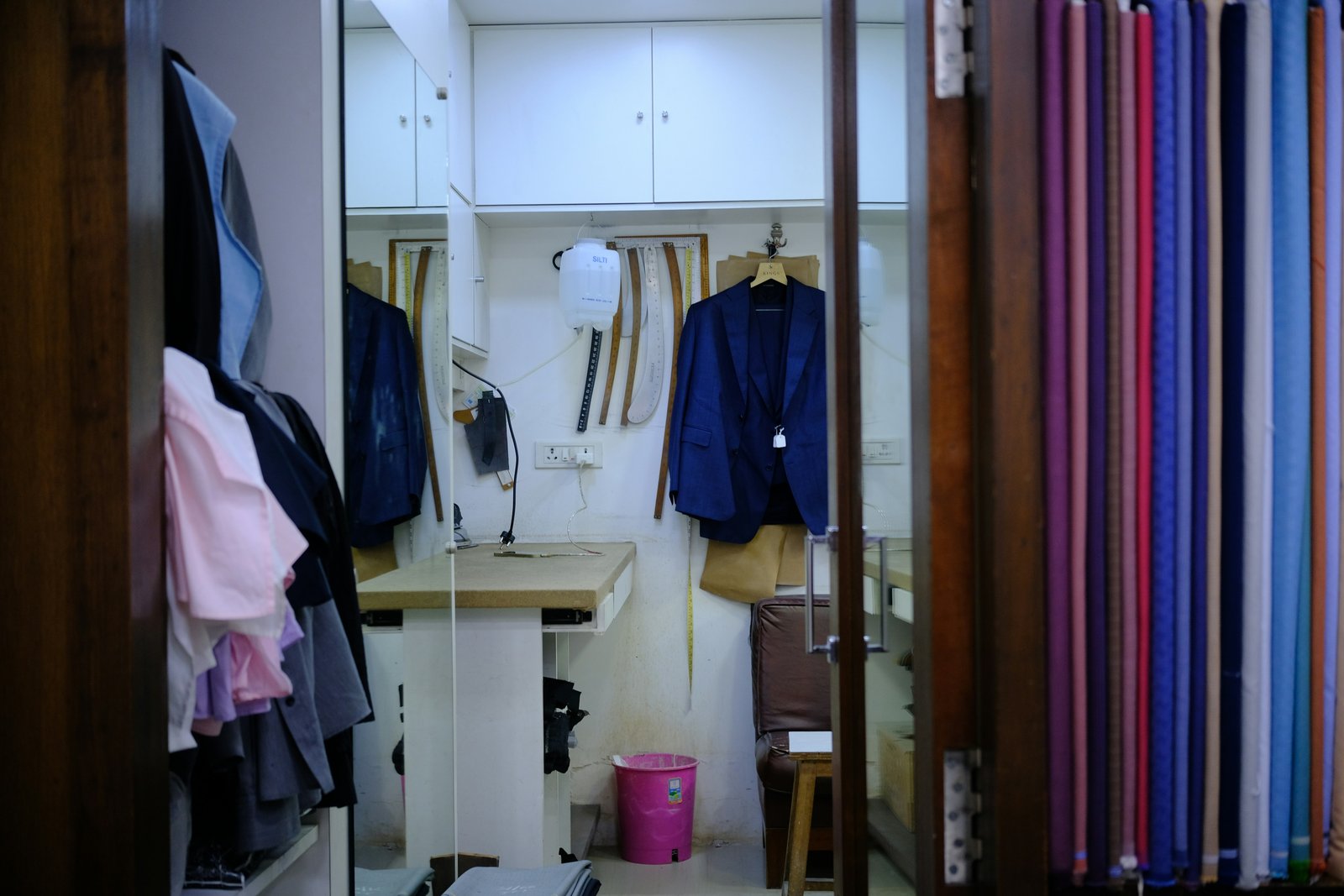
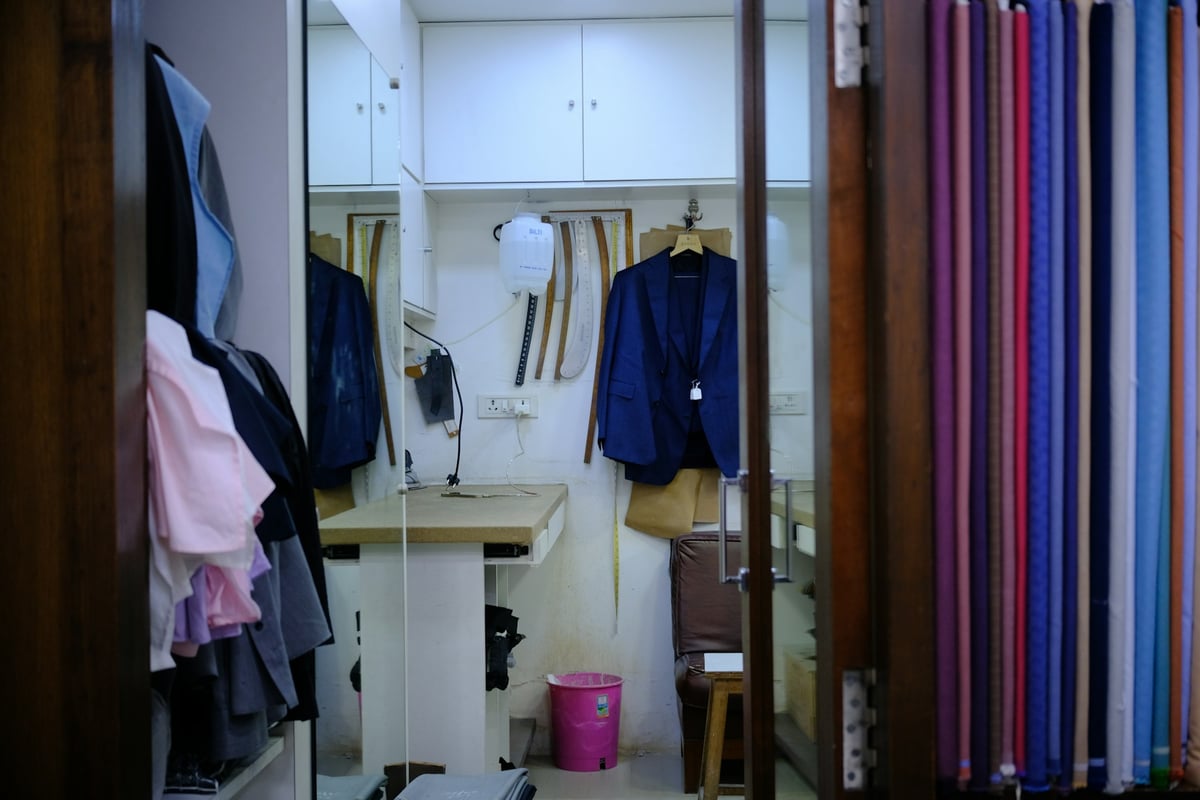
Hoi An's old town is full of tailoring shops, and clothes are made here fast. The results range from genuinely excellent to disappointing. Time, fabric and how clearly you communicate are the parts of that you can influence.
Allow enough time
This is the part most within your control. Overnight turnarounds are advertised and shops can produce them, but rushing leaves no room for the fittings that correct the fit.
Plan on a minimum of two full days in town, ordering on the first morning. Three is better. If your itinerary gives you one night in Hoi An, this is not the trip to have clothes made on.
What two fittings actually do
The first garment off the machine is usually close rather than right — a shoulder sits oddly, a sleeve is long, a waist needs taking in. The fitting is where that gets corrected, and a second fitting catches what the first one introduced. A shop that does not offer a fitting has no way to fix what the first attempt gets wrong.
Bring a reference garment
A useful thing to do. A jacket, a pair of trousers or a dress that already fits you well gives the tailor a physical specification rather than a verbal one, and removes a lot of the ambiguity about cut and fit.
Photographs help for style, less for fit. Bring both if you can: the garment for how it should sit, the picture for how it should look.
Fabric is where the price sits
Two quotes for a suit are not comparable until you know what cloth each one is for. Ask what the fabric is — wool, wool blend, linen, synthetic — and ask to see and feel the bolt rather than a swatch card.
Synthetic blends are cheaper and warmer to wear, which matters in the Vietnamese climate. Natural fibres cost more.
Questions worth asking
What is the fabric and where is it from? Is the jacket fused, half canvassed or fully canvassed — that is, is the front held in shape by glued interlining or by a stitched-in layer, the second being more durable and more expensive? How many fittings are included? Is the work done on site or sent out? What happens if it still does not fit at the final fitting?
A shop that answers those plainly is telling you something useful. A shop that deflects to how quickly it can be done is telling you something too.
Agreeing the price and the terms
Settle the full price before any measuring happens, in dong, and establish what it covers: the fabric, the lining, the fittings, any alterations after the first fitting. A deposit now and the balance on collection is a normal arrangement; if you pay the whole amount up front you have less leverage should the result be wrong.
Get the collection date alongside the price. A shop that is vague about when the garment will be ready is a shop you may be chasing on your last morning.
Choosing a shop
Read recent reviews rather than relying on how long a shop has been there — a reputation from five years ago is not evidence about the work being done this week. Walk in and look at the work in progress rather than the finished display pieces. Ask who will actually be sewing your garment.
If your accommodation recommends a tailor, ask whether they receive a commission. That does not make it a bad shop; it does mean the recommendation may not be disinterested.
What to do at the fitting
Stand normally rather than holding yourself straight, and move — sit down in the trousers, raise your arms in the jacket, reach forward. Fit problems show up in motion.
Say precisely what is wrong rather than that something feels off: the sleeve covers my knuckles, the waistband sits above my hip, the shoulder pulls when I reach. A tailor can act on that. "It doesn't look right" gives them nothing to change. And if it is still wrong at the second fitting, say so then, not after you have paid and left.
What travels well
Suits, shirts, dresses and coats are all made here. Lightweight linen and cotton suits are a Hoi An staple and genuinely useful if you live somewhere warm. Heavy winter coats are made too, and are harder to judge in the heat.
Shoes are also made to order. The same rules apply, with the added caution that leather needs breaking in and a single fitting may not reveal a fit problem.
Getting it home
Many shops offer shipping and will quote for it. Factor in that your own country's customs rules apply when the clothes arrive, and that a large order may be dutiable at your end.
Managing expectations
What is on offer is made-to-measure at a low price, produced fast, with quality that varies by shop. It is not Savile Row. Going in expecting the latter is the way to be disappointed; expecting a well-fitting linen suit for a good deal less than the equivalent would cost at home is realistic.
FAQ
How much time do Hoi An tailors need?
This is the part most within your control. Overnight turnarounds are advertised and shops can produce them, but rushing leaves no room for the fittings that correct the fit.
Should you bring a garment to a Hoi An tailor?
A useful thing to do. A jacket, a pair of trousers or a dress that already fits you well gives the tailor a physical specification rather than a verbal one, and removes a lot of the ambiguity about cut and fit.
Why do Hoi An tailor quotes differ so much?
Two quotes for a suit are not comparable until you know what cloth each one is for. Ask what the fabric is — wool, wool blend, linen, synthetic — and ask to see and feel the bolt rather than a swatch card.
Keep planning
Not sure how it all fits together?
Pick your trip length and we'll route a real day-by-day plan.