Yes — US passport holders need a visa for Vietnam, and the widely repeated 45-day visa-free rule does not apply to you. Here is what you actually need.
Editorial Written and fact-checked for American travelers
Yes. If you hold a US passport, you need a visa to enter Vietnam. There is one narrow exception, and there is a lot of confident misinformation online telling you otherwise — so it is worth being precise about what applies to an American passport and what does not.
The short answer for US passport holders
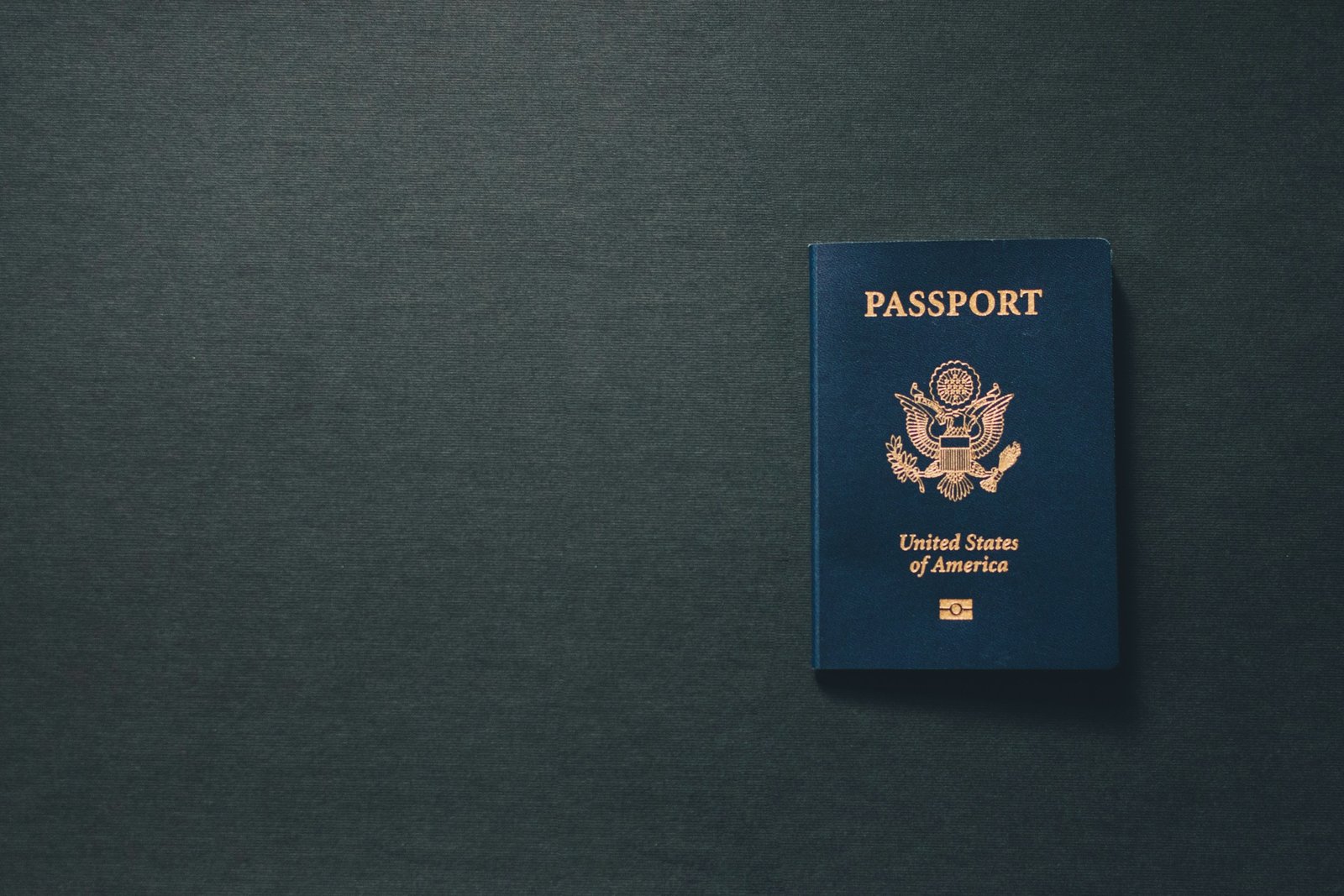
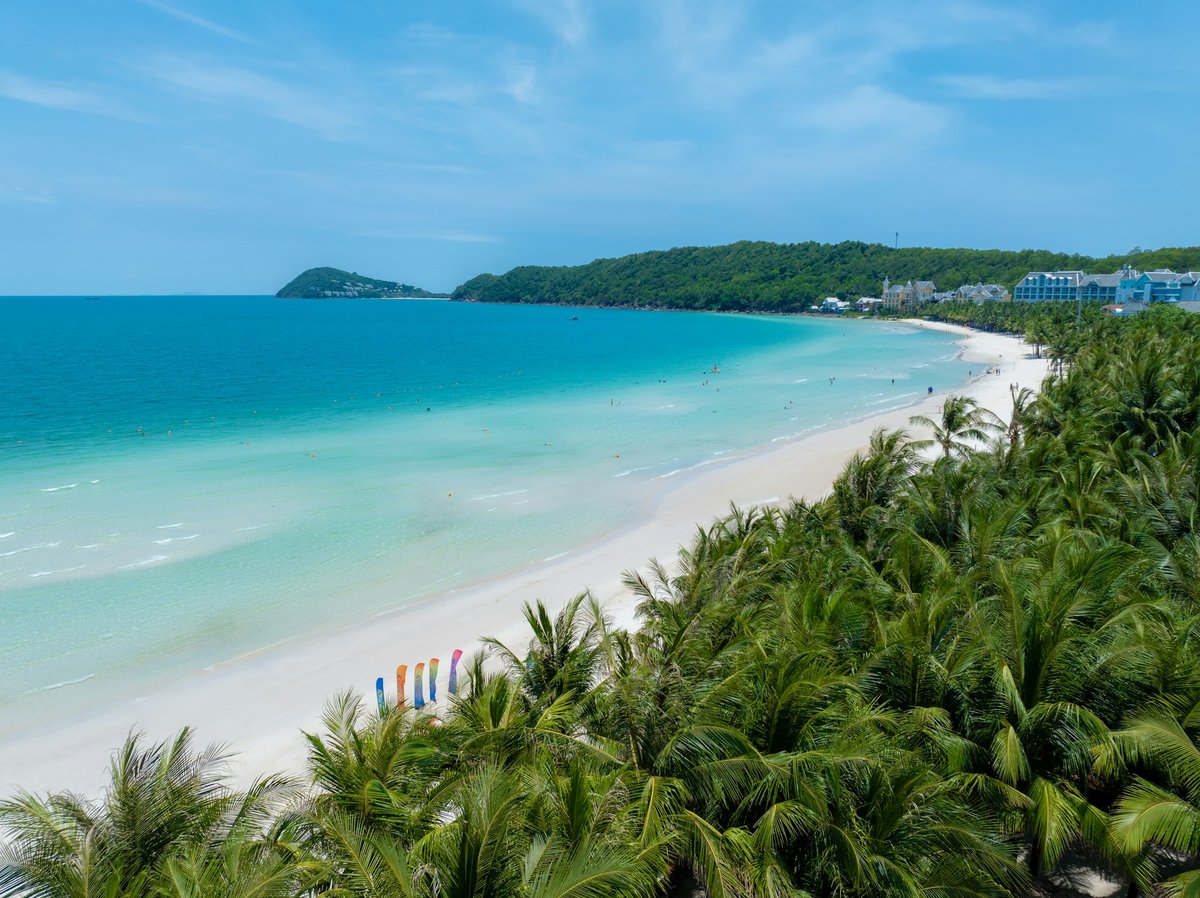
American travelers need a visa for Vietnam, and almost all of them use the electronic visa. The State Department states the rule without qualification: a visa is required, and you must apply before you travel. The main exception is a stay of 30 days or less on the island of Phu Quoc, which you can do without a visa if you fly in and out of Phu Quoc directly. A second, narrower exception for Vietnamese-Americans is covered below.
The mechanics of applying are covered step by step in our Vietnam e-visa walkthrough. That exception is narrower than it sounds. Fly to Phu Quoc via Ho Chi Minh City and clear immigration on the mainland, and you have entered Vietnam — the exemption no longer covers you.
Why you keep reading that Vietnam is visa-free
Vietnam does run a unilateral visa-exemption scheme, most recently widened to twelve more European countries in August 2025. It covers a list of mostly European and Asian nationalities for stays of up to 45 days. United States, Canadian and Australian passports are not on that list. Articles that say "Vietnam is visa-free for 45 days" are usually accurate for somebody — just not for you.
There is one group of Americans who are treated differently. Overseas Vietnamese holding the relevant Vietnamese documentation can obtain a five-year visa-exemption certificate instead of applying trip by trip. If you have Vietnamese parentage, that route is worth asking about before you pay for an e-visa.
What the e-visa actually gives you
The Vietnamese e-visa is issued online by the Immigration Department and costs $25 for single entry or $50 for multiple entry, payable by bank transfer. Validity runs up to 90 days, and processing usually takes 3 to 5 working days once the department has your completed application and payment.
Treat the processing window as a floor rather than a promise. Vietnam's own embassy in India publishes a far wider range, and the figure stretches during holidays and application surges. Apply weeks ahead, and do not buy non-refundable flights against an assumption that it will land in three days.
Ninety days is a ceiling, not a default
Vietnam usually grants exactly the period you request, so the 90 days is the maximum available rather than what you automatically receive. Ask for less than you need and you cannot top it up later.
There is also a passport rule that almost nothing online mentions. Your e-visa's validity must be at least 30 days shorter than your passport's remaining validity. In practice it never binds a tourist: a 90-day visa needs about four months of validity, and Vietnam already requires six at entry, so meeting the entry rule automatically satisfies this one. It is worth knowing only because the wording alarms people who find it.
Your passport: how much validity you need
Vietnam requires your passport to be valid at entry with six months' validity beyond your arrival date, plus blank pages for stamps. The State Department's own page is internally inconsistent on the page count, saying one blank page per stamp in one section and at least two in another, so treat two as the working minimum.
One more trap worth knowing if things go wrong mid-trip: Vietnam may not accept the 12-page US emergency passport for e-visa entry. If you lose your passport elsewhere in the region and replace it at a US embassy, the replacement may not get you into Vietnam.
The second form nobody tells you about
Separately from the visa, Vietnam operates an online pre-arrival declaration at the Immigration Department's own portal. Filing is free, takes about ten minutes, and is done no earlier than three days before you arrive. The two governments describe its status differently: the State Department says air travelers on a non-Vietnamese passport must complete it, while Vietnam's portal presents it as advice that reduces waiting time at immigration.
We are not going to resolve a disagreement between two governments for you. The practical answer is to file it: it is free, it takes about ten minutes, and on Vietnam's own account it shortens the queue you would otherwise stand in.
Where your e-visa is actually valid
An e-visa works at 83 designated border gates — 17 airports, 27 land crossings and 39 seaports — after Vietnam added 41 of them in December 2025. That covers every international airport in Vietnam, so Noi Bai, Tan Son Nhat, Da Nang, Cam Ranh and Phu Quoc are all eligible. Note that eligibility is a separate question from the port you select on the form, which is dealt with below.
Where it does bite is overland. If you plan to cross into Cambodia or Laos and come back, or enter by road from either, the crossing has to be on the approved list — and plenty are not.
Two ways a valid visa still fails
Your entry and exit points must match what you selected on the application, so a visa naming Hanoi will not get you through Ho Chi Minh City. And you must print the thing: the official instruction is to carry a paper copy with your passport. Both failures happen before you leave home, and both are free to avoid.
What this decision actually sits inside
Notice what happened across all of that. The visa question looks like paperwork, but every answer above quietly locked something else in place: how long you can stay, which airport you fly into, whether you can loop through Cambodia, whether a Phu Quoc beach week is exempt or not. You chose your route when you chose your visa, and most people do it in the opposite order.
That sequencing — what you book first and what it silently forecloses — is worked out end to end in Vietnam, End to End, alongside the rest of the connected decisions a first Vietnam trip turns on.
FAQ
Do Americans need a visa for Vietnam?
American travelers need a visa for Vietnam, and almost all of them use the electronic visa. The State Department states the rule without qualification: a visa is required, and you must apply before you travel. The main exception is a stay of 30 days or less on the island of Phu Quoc, which you can do without a visa if you fly in and out of Phu Quoc directly. A second, narrower exception for Vietnamese-Americans is covered below.
How much does a Vietnam e-visa cost and how long does it last?
The Vietnamese e-visa is issued online by the Immigration Department and costs $25 for single entry or $50 for multiple entry, payable by bank transfer. Validity runs up to 90 days, and processing usually takes 3 to 5 working days once the department has your completed application and payment.
How much passport validity do you need for Vietnam?
Vietnam requires your passport to be valid at entry with six months' validity beyond your arrival date, plus blank pages for stamps. The State Department's own page is internally inconsistent on the page count, saying one blank page per stamp in one section and at least two in another, so treat two as the working minimum.