Phu Quoc sits in the Gulf of Thailand off Vietnam's south-western coast, closer to Cambodia than to Ho Chi Minh City. It is the country's largest island, and over the last fifteen years it has gone from a quiet fishing and pepper-farming place to a resort destination with an international airport.
The visa exception
This is the one genuinely unusual thing about Phu Quoc for an American traveller. Vietnam's visa requirement has a single exception for tourists, and it is a stay of 30 days or less on the island of Phu Quoc — arriving and leaving directly, without clearing immigration on the mainland.
The condition matters more than the exemption. If your flight routes through Ho Chi Minh City or Hanoi and you pass immigration there, you have entered Vietnam and need a visa like anyone else. The exemption covers arriving on the island and leaving it directly, without clearing immigration on the mainland.
The beaches
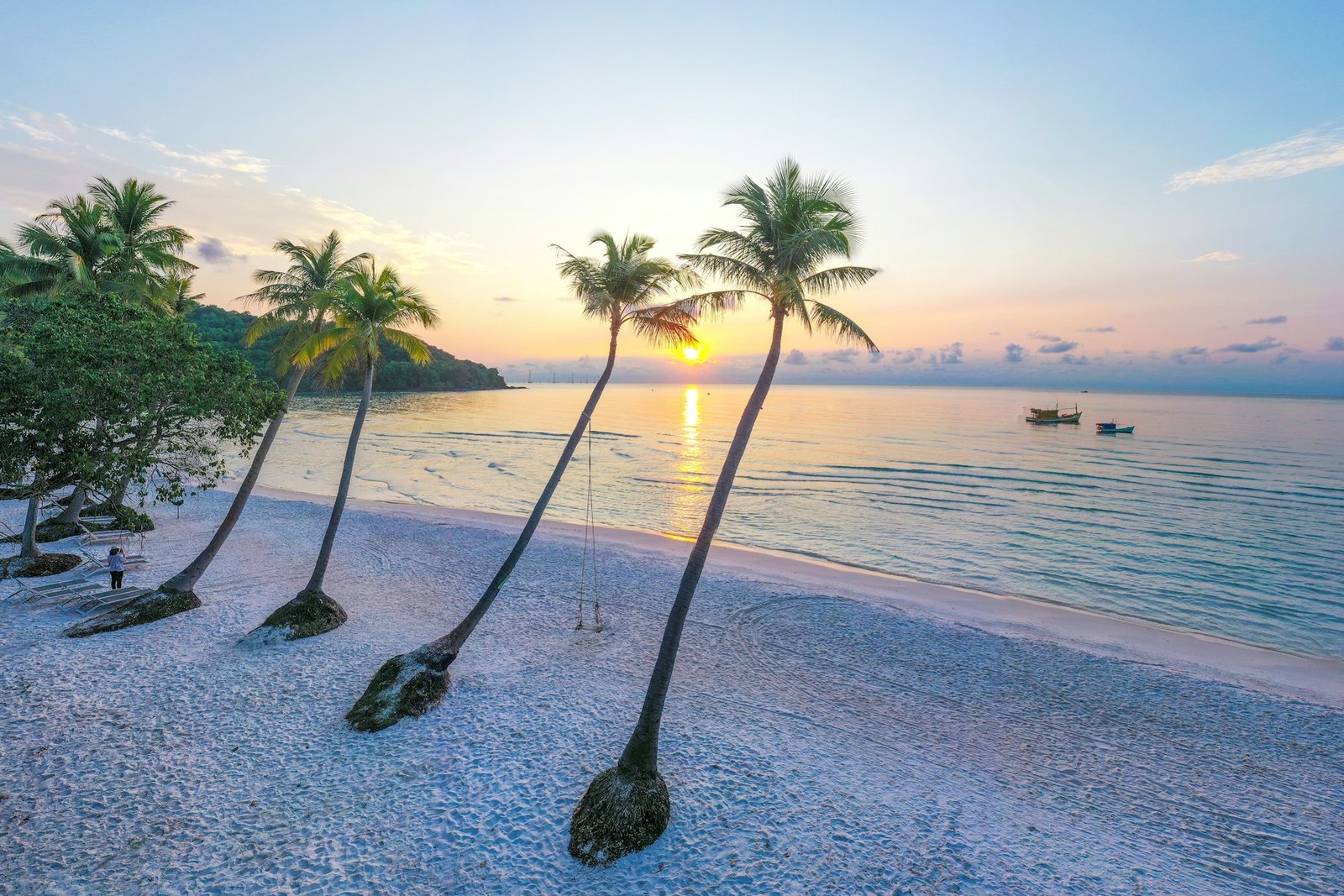
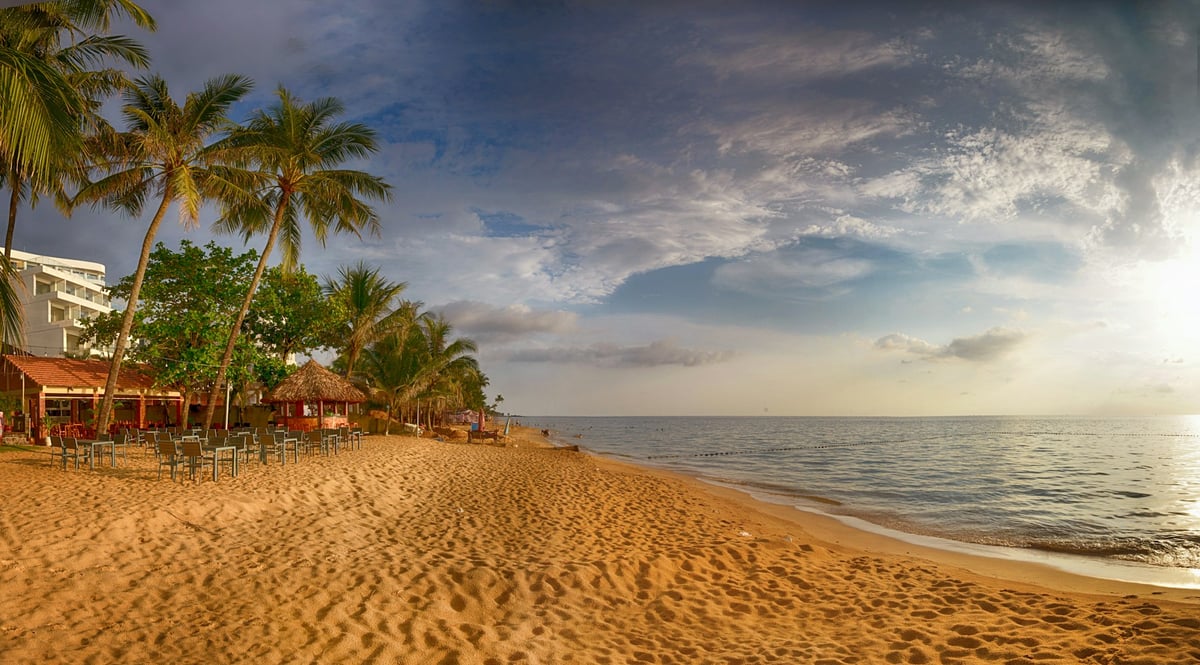
Long Beach, on the west coast running south from Duong Dong town, is the main strip and where most of the accommodation is. The sunsets face straight out to sea, which is the island's signature.
Sao Beach, in the south-east, is the postcard one — white sand, clear water, and crowded in the middle of the day. Ong Lang, north of Duong Dong, is quieter and more low-key. The far north has beaches that are still comparatively undeveloped, though that is changing.
What the island is now
Worth being direct about. The south of the island around An Thoi has been heavily developed, with a large resort and entertainment complex, a theme park, and a cable car running out to Hon Thom island. The north has a safari park and a second large resort development.
Some visitors want exactly that and are very happy. Others arrive expecting an undeveloped tropical island and find a construction site with beaches attached. Both descriptions are accurate about different parts of it, and which one you meet depends entirely on where you stay.
The cable car
The cable car from An Thoi out over the water to Hon Thom is extremely long and the ride over the fishing boats and islets is genuinely striking. It is also the gateway to a theme park, which is the thing at the other end.
Beyond the beaches
The island interior is largely national park, with forest, a few waterfalls that run in the wet season, and roads through it. Pepper farms and fish-sauce factories take visitors — Phu Quoc nuoc mam is a protected designation and the warehouses full of wooden vats are more interesting than they sound.
The An Thoi archipelago off the southern tip is where the snorkelling and diving trips go, on day boats out of An Thoi harbour. The night market in Duong Dong sells seafood by weight and is the main evening in town.
Eating
Seafood, sold by weight at the Duong Dong night market and at the restaurants along Long Beach. Squid, crab, prawns and the local herring salad, goi ca trich, which is raw herring dressed with coconut, onion and herbs and wrapped in rice paper.
The island's fish sauce is the thing to bring home, though check your airline's rules on carrying it — it is a liquid and it is pungent, and more than one bottle has ended a flight badly for its owner's luggage.
When to go
Phu Quoc's seasons run opposite to much of the rest of the country. The dry season is roughly November to April, which is the period the sea is calm and the sunsets are reliable. May to October is the wet season, with heavy afternoon rain and rougher water, and some boat trips do not run.
That makes Phu Quoc a good December-to-March destination at exactly the time the central coast has finished its storm season and the north is cold.
Getting there and around
Phu Quoc International Airport takes domestic flights from Ho Chi Minh City, Hanoi and Da Nang, and a growing number of direct international routes — the latter being what makes the visa exemption usable. Ferries run from Ha Tien and Rach Gia on the mainland, which is slower and only sensible if you are already in the delta.
On the island, Grab operates, taxis are plentiful, and most resorts run shuttles. Renting a motorbike is common among visitors but a US licence and an International Driving Permit are both invalid in Vietnam, so the legal position is the same here as everywhere else in the country.
How long to stay
Three or four nights is enough for the beaches, a boat trip and the night market. A week suits a holiday rather than a stop on a tour. One or two nights is not worth the flight.
What it costs relative to the mainland
Phu Quoc is more expensive than the Vietnamese average across accommodation, food and transport, and noticeably so at the resort end. Budget options exist around Duong Dong and the northern end of Long Beach. Taxi fares on the island are the other thing that adds up, because the distances are real.
Who it suits
Phu Quoc is a beach holiday rather than a cultural destination, and it works best treated as one — bolted onto the end of a Vietnam trip, or visited on its own using the visa exemption. If what you want from Vietnam is cities, food and history, this is not the part of it to spend a week on.
FAQ
Do you need a visa for Phu Quoc?
This is the one genuinely unusual thing about Phu Quoc for an American traveller. Vietnam's visa requirement has a single exception for tourists, and it is a stay of 30 days or less on the island of Phu Quoc — arriving and leaving directly, without clearing immigration on the mainland.
Which beaches are best on Phu Quoc?
Long Beach, on the west coast running south from Duong Dong town, is the main strip and where most of the accommodation is. The sunsets face straight out to sea, which is the island's signature.
How developed is Phu Quoc now?
Worth being direct about. The south of the island around An Thoi has been heavily developed, with a large resort and entertainment complex, a theme park, and a cable car running out to Hon Thom island. The north has a safari park and a second large resort development.
Keep planning
Not sure how it all fits together?
Pick your trip length and we'll route a real day-by-day plan.