Phong Nha Caves: Which Tour Fits Your Trip and Your Budget
Phong Nha has caves you can walk into in an afternoon and one that takes a week and a serious bank balance. Here is how the options sort themselves by time, fitness and money.
Editorial Written and fact-checked for American travelers
Phong Nha-Ke Bang is the cave region of central Vietnam, a UNESCO-listed national park of limestone mountains riddled with some of the largest cave passages on earth. It sits north of Hue, with the town of Dong Hoi as its gateway, and it has gone from a backpacker secret to a fixture on first-time itineraries. The difficulty is that "visiting Phong Nha" covers everything from an hour on a boat to a six-day expedition, and the names on the tour boards do not tell you which is which.
The caves, sorted by effort
Phong Nha's caves fall into three bands: the show caves you can see in a day with no fitness at all, the adventure caves that take a day or two with some walking, swimming or kayaking, and Son Doong, which is a multi-day expedition in its own category. Most visitors want the first band and are sold the second; a few want the third and should book it a long way ahead.
Show caves: the day with no effort
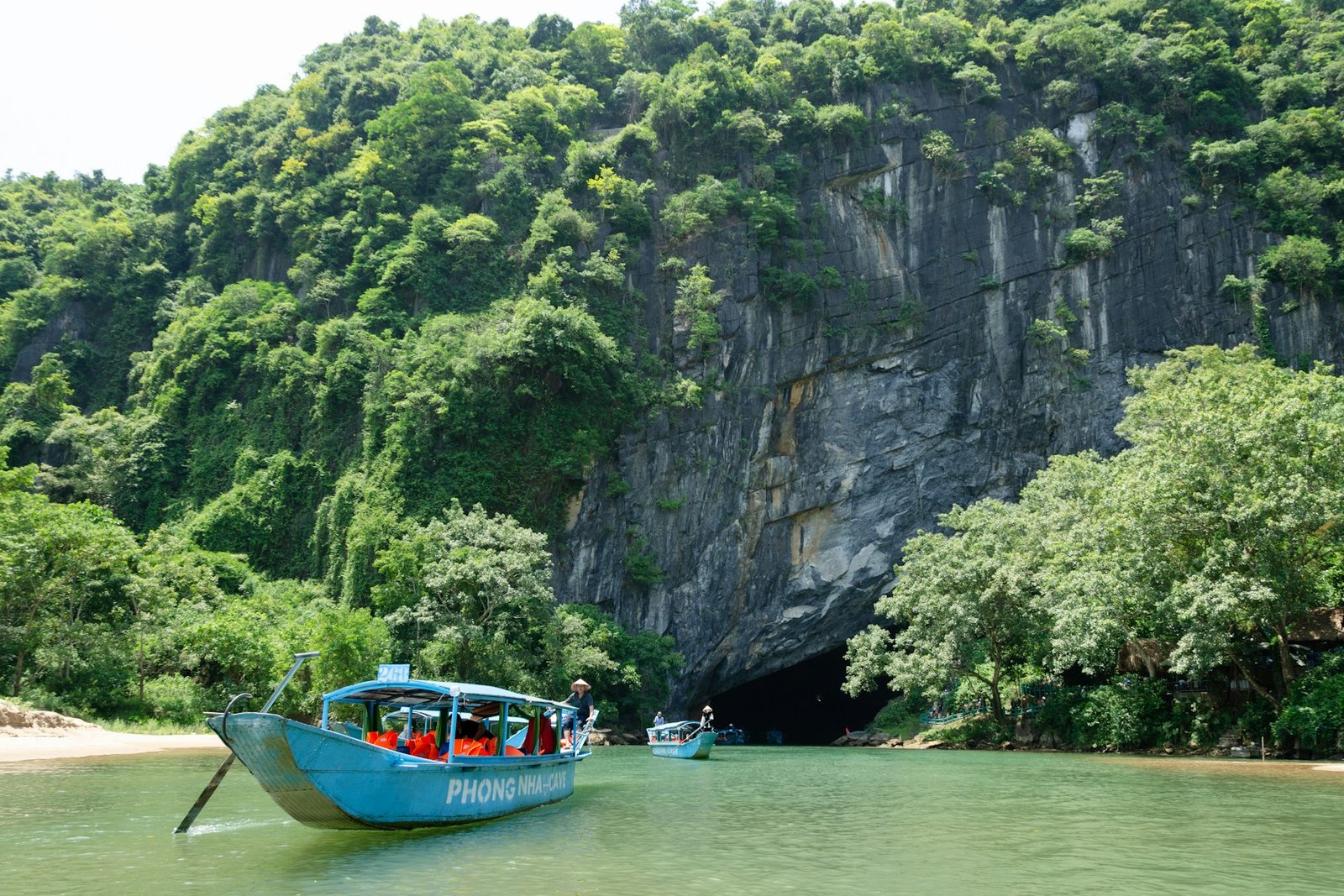
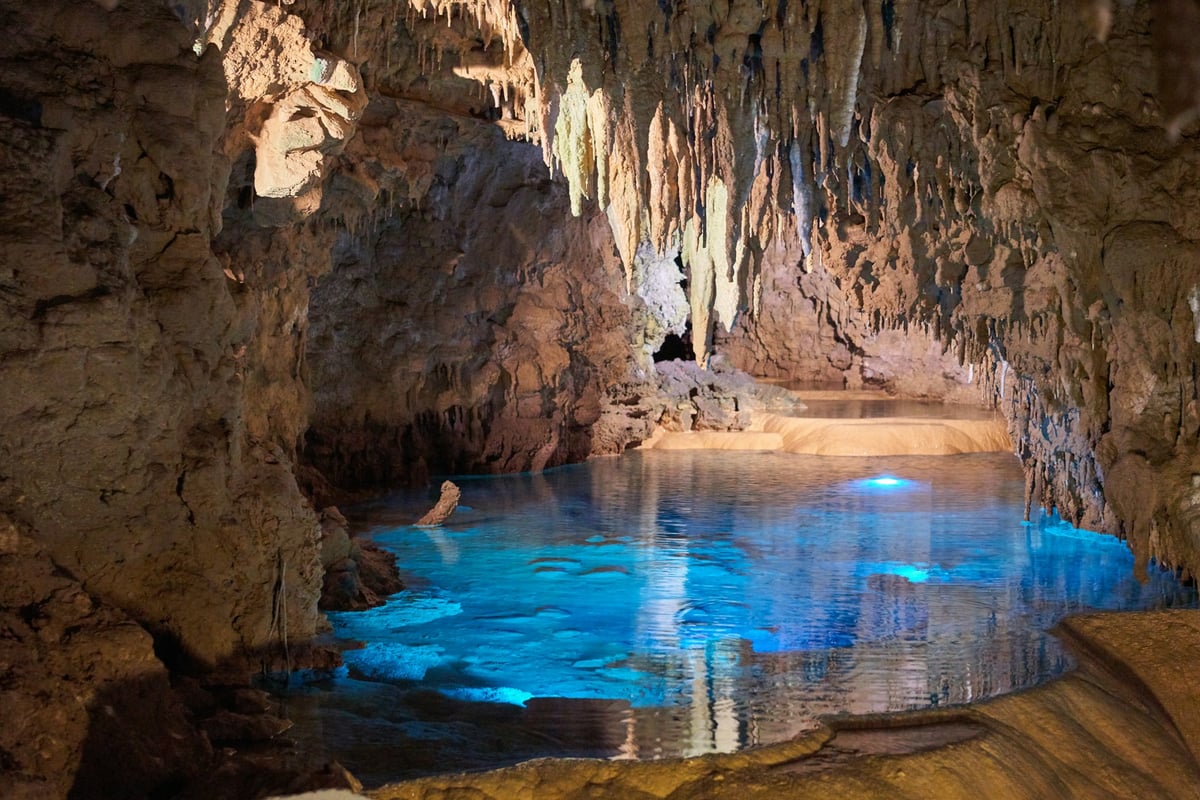
Phong Nha cave itself is reached by boat along the river from the village, and the boat carries you into the cave mouth and along the underground river. Paradise Cave is a dry cave with wooden walkways and lighting, entered on foot down a staircase, with a long formation-filled passage you walk along at your own pace. Either is an afternoon; the two together are a full day with lunch. Neither needs anything but shoes you can walk in.
Adventure caves: a day or two, some sweat
Dark Cave is the entry-level adventure, sold as a package of a zipline across the river, a swim into the cave mouth, a wade through a mud chamber and a kayak back. It is noisy, popular and fun, and it is not a serious caving trip. The step up is a one- or two-day trek with a licensed operator into caves such as Hang En, where you sleep on a sandy beach inside the cave, or the Tu Lan system, where the route involves swimming through flooded passages. These need a reasonable level of fitness and a tolerance for being wet for hours.
Son Doong: the one that costs a trip
Hang Son Doong, the largest known cave passage in the world, is visited only on one operator's multi-day expedition. Oxalis Adventure sells it as a six-day, five-night expedition priced at VND 80,000,000, about USD 3,000, per person, graded challenging, with about a day and a half of jungle trekking before you reach the cave mouth.
The number of places each year is small and the season is limited, so this is booked many months ahead, not decided in Dong Hoi.
For most first-time visitors to Vietnam, Son Doong is not the question. It is a trip you plan a holiday around, not a stop you add to one. If it is the point of your journey, it decides your dates, your fitness training and a week of the itinerary before anything else is booked.
Who it suits
Fit, patient people who want a once-in-a-lifetime expedition and have the budget for it. Anyone who hesitates on any of those three should look at Hang En instead, which is run by the same kind of operator, gives you a night camping inside an enormous cave, and costs a fraction of the money and the time.
Where Phong Nha fits in an itinerary
Phong Nha costs a first-time itinerary about four days: a day to get there from Hue or Hanoi, two days in the park, and a day to leave. The gateway town is Dong Hoi, with a railway station on the north-south line and a small airport, and the park village is a further transfer inland.
The cheap day trips sold out of Hue exist, but they spend most of the day on the road and reach only the show caves, rushed.
So the real decision is what those four days displace. On a two-week trip they usually come out of the central coast or the Mekong. On three weeks they fit without strain. Phong Nha also sits naturally between Hue and the north, so a north-to-south route that stops there on the way down costs less in backtracking than a detour out of Hue and back.
The two-day version that works
Arrive in the afternoon, do Paradise Cave or the Phong Nha river cave the next morning and Dark Cave or a countryside bicycle ride in the afternoon, then an adventure cave on the second full day if you want one, and leave on the third morning. That gives you both bands of cave without an expedition.
Booking and season
The show caves can be done independently or through any guesthouse. The adventure caves and Son Doong are sold only through licensed operators, and you should book Phong Nha cave tours before you arrive in the busy months, because the overnight trips have fixed group sizes. Check the operator's licence for the specific cave; the national park restricts which caves can be entered and with whom.
Season matters more here than in most of Vietnam. The park's rivers rise sharply in the central coast's wet months in the autumn, and the adventure caves close when they flood. The dry, hot months are the reliable window; the river cave is at its best when the water is clear.
What to bring
Shoes that can get wet and still grip, a dry bag for a phone, and clothes you do not mind leaving muddy. The operators supply helmets and headlamps for the adventure caves. The show caves need nothing you do not already have.
Keep planning
Not sure how it all fits together?
Pick your trip length and we'll route a real day-by-day plan.