Vietnam photographs well almost everywhere, which is the problem — it is easy to come home with a thousand pictures and no good ones. The locations below are worth planning around, and in every case the time of day does more work than the spot.
The north
Ha Long and Lan Ha bays. First light from the deck, before the other boats move. An overnight cruise is the only way to be on the water at that hour. Kayak level gives you the scale that a boat deck does not.
The Sapa terraces. Gold in late September and October before the harvest, mirrored water in April and May after planting. Early morning for the mist sitting in the valleys; late afternoon for the side light across the terraces.
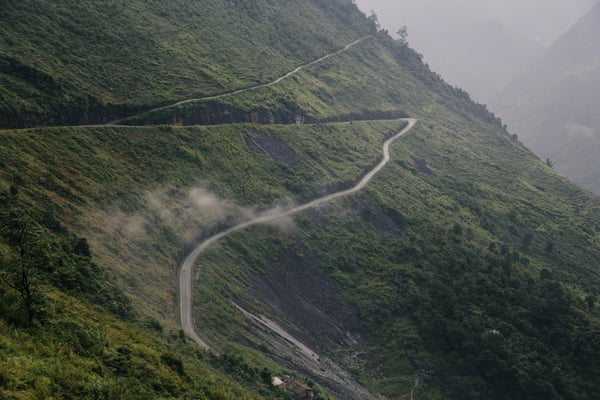
Ha Giang. The most dramatic landscape in the country, and the road itself is the subject. Mid-morning once the valley cloud lifts.
Hanoi's Old Quarter. Early, between five and seven, when the market is setting up and the streets are empty enough to see. The Long Bien bridge at the same hour, with the trains and the bicycles.
Ninh Binh. From the top of the Hang Mua steps, late afternoon, looking down the river between the karsts.
The centre
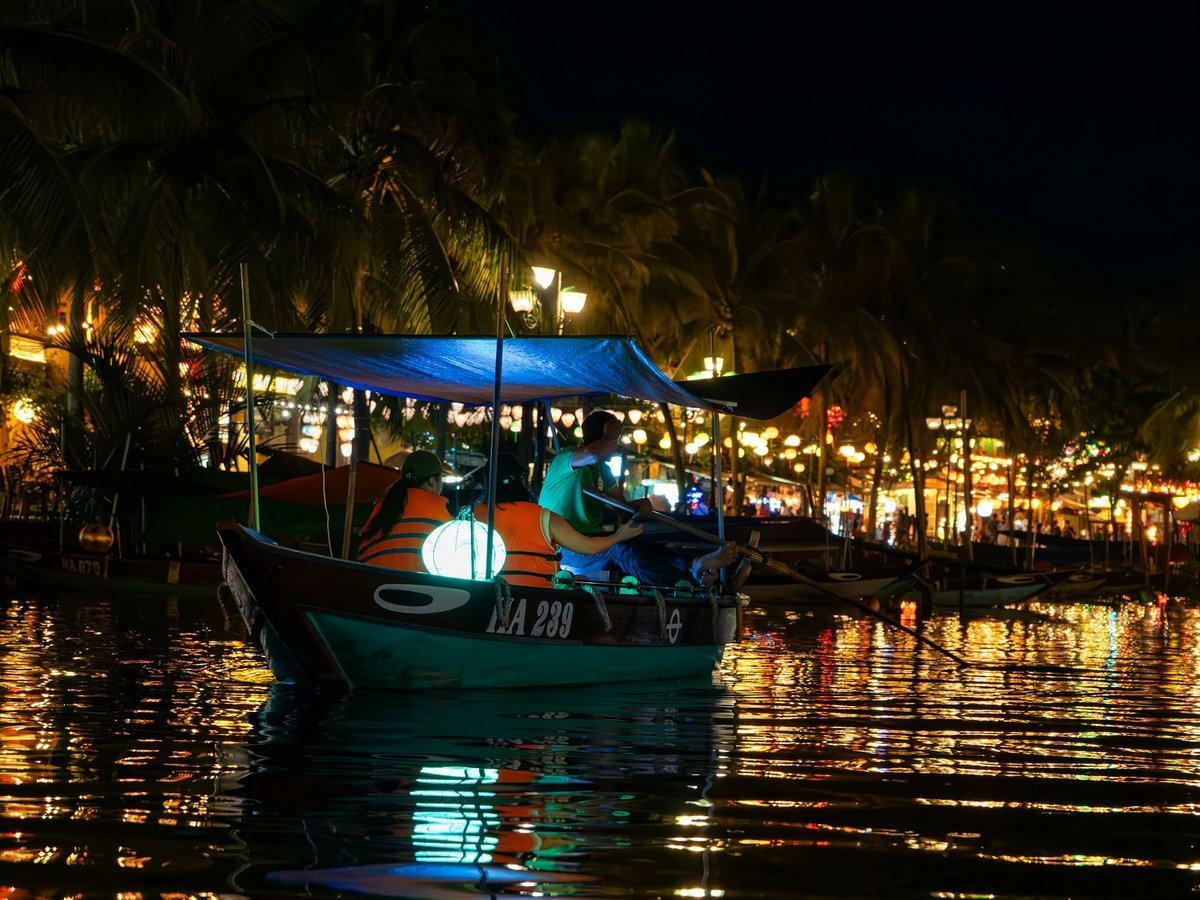
Hoi An Ancient Town. Two windows and nothing in between. Before seven, when the streets are empty and the light is low along the river. And after nine at night, when the lanterns are the only light and the day visitors have gone. The fourteenth night of the lunar month, when the electric lights go off, is the one to plan for.
The Hai Van Pass and the coastal railway. From the train, sea side, in the morning. From the road, at the summit, whenever the cloud allows — which is the whole difficulty.
My Son. At opening, when the light comes in low through the trees and the coaches have not arrived.
Hue's tombs. Mid-morning at Khai Dinh for the interior mosaics, late afternoon at Tu Duc for the overgrown pavilions and the lake.
The south
Cai Rang floating market. First light, from a small boat with the engine off. The coffee boats coming alongside are the picture, not the produce boats from a distance.
Ho Chi Minh City from above. The observation decks and rooftop bars at sunset, when the lights come on and the sky still has colour. Thirty minutes before sunset, not after dark.
The delta canals. Early morning, from water level, with the palms closing overhead.
What to carry
Less than you think. A single body and one zoom covers almost all of this; the situations that reward a second lens are the bay at dawn and the markets, where something fast and wide earns its place. A polariser for the water and the haze.
What matters more than glass here is a strap you are comfortable keeping the camera close with, and something to keep it dry — the afternoon rain in the wet season arrives quickly and the boats are wet.
What makes the difference
Being somewhere at the right hour, which almost always means being there before the people who are not thinking about it. In practice that is a 5am alarm two or three times in a trip, and it is worth every one of them.
Vietnam's light is hard and flat in the middle of the day for most of the year, and the haze on the central and northern coasts flattens distance. Early and late are not stylistic preferences here; they are the only hours the landscape has depth.
The weather as a subject
The grey days are not lost days. Mist in the northern valleys, cloud sitting on the Hai Van Pass, rain on the Hoi An river at night — these produce better photographs than a flat blue sky does, and they are the conditions most visitors wait out indoors. The one thing genuinely ruined by weather is a long view from height.
Photographing people
Ask. A gesture at the camera and a smile is enough, and the answer is usually yes. Buying something from a stallholder first changes the exchange completely. If someone declines, that is the end of it.
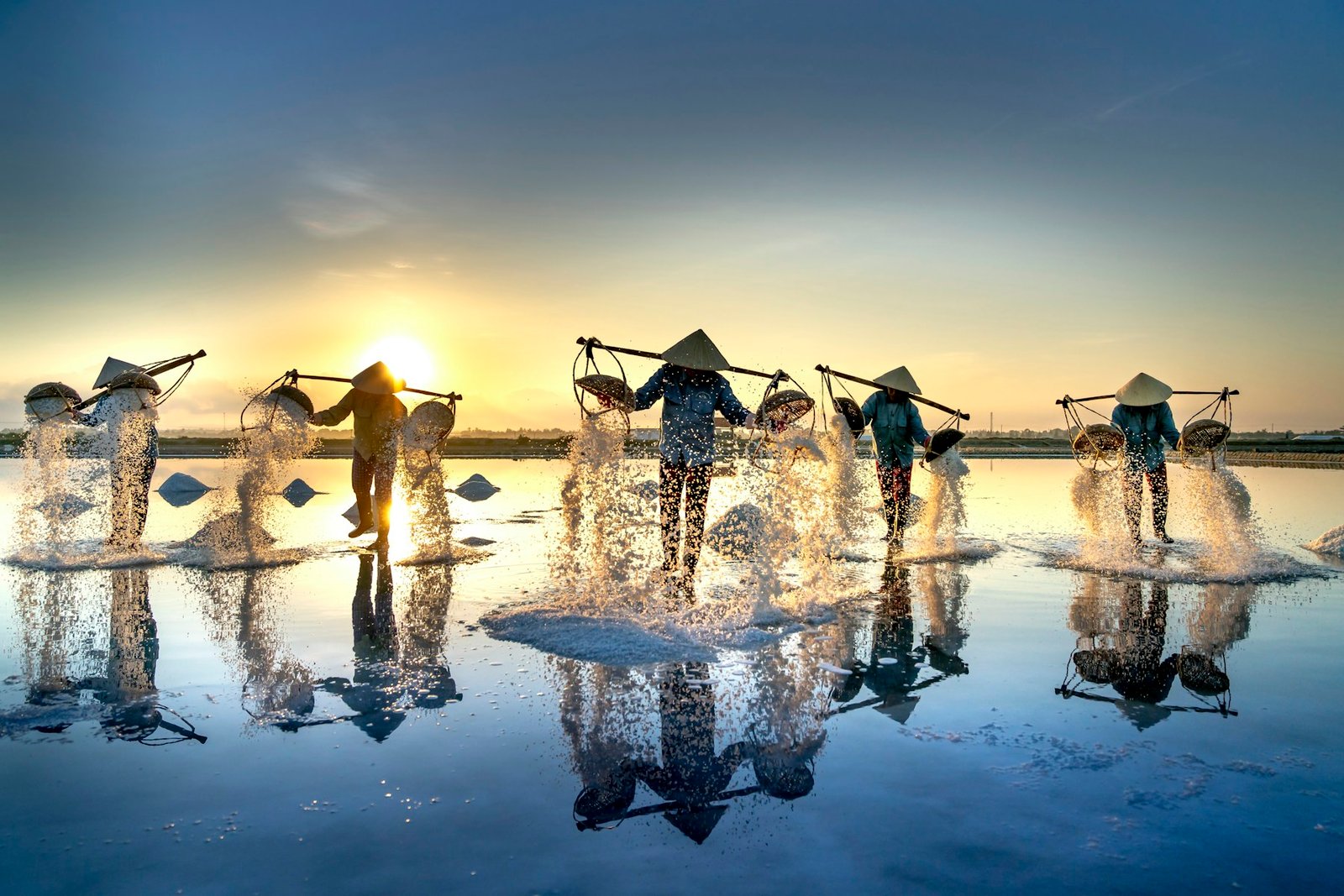
Be careful with the street-vendor-with-conical-hat shot in the tourist areas; in several places it has become a paid arrangement, and some people will expect payment after the fact. Agreeing it first is the way to avoid a disagreement afterwards.
Drones
Treat them as restricted rather than permitted. Flying a drone in Vietnam is regulated and permission is required; military sites, airports and border areas are sensitive, and several of the most photographed landscapes sit near one of those. Check the current rules before travelling rather than assuming, and do not launch at a heritage site without asking the site first.
Practical
Humidity fogs lenses when you come out of air conditioning — let the camera adjust before shooting. A polariser helps with the haze and the water. And keep your camera out of sight on the street in the cities, because snatch theft from passing motorbikes is the common petty crime and a camera on a strap is a visible target.
FAQ
Where are the best photography spots in northern Vietnam?
Ha Long and Lan Ha bays. First light from the deck, before the other boats move. An overnight cruise is the only way to be on the water at that hour. Kayak level gives you the scale that a boat deck does not.
Where should you photograph in southern Vietnam?
Hoi An Ancient Town. Two windows and nothing in between. Before seven, when the streets are empty and the light is low along the river. And after nine at night, when the lanterns are the only light and the day visitors have gone. The fourteenth night of the lunar month, when the electric lights go off, is the one to plan for.
What camera gear should you bring to Vietnam?
Cai Rang floating market. First light, from a small boat with the engine off. The coffee boats coming alongside are the picture, not the produce boats from a distance.
Keep planning
Not sure how it all fits together?
Pick your trip length and we'll route a real day-by-day plan.