Ha Giang Loop: Ride It Yourself, Ride Pillion, or Go by Car
The loop is the best road in Vietnam and the one place the licence question stops being theoretical. Here is what each of the three ways of doing it actually gives you.
Editorial Written and fact-checked for American travelers
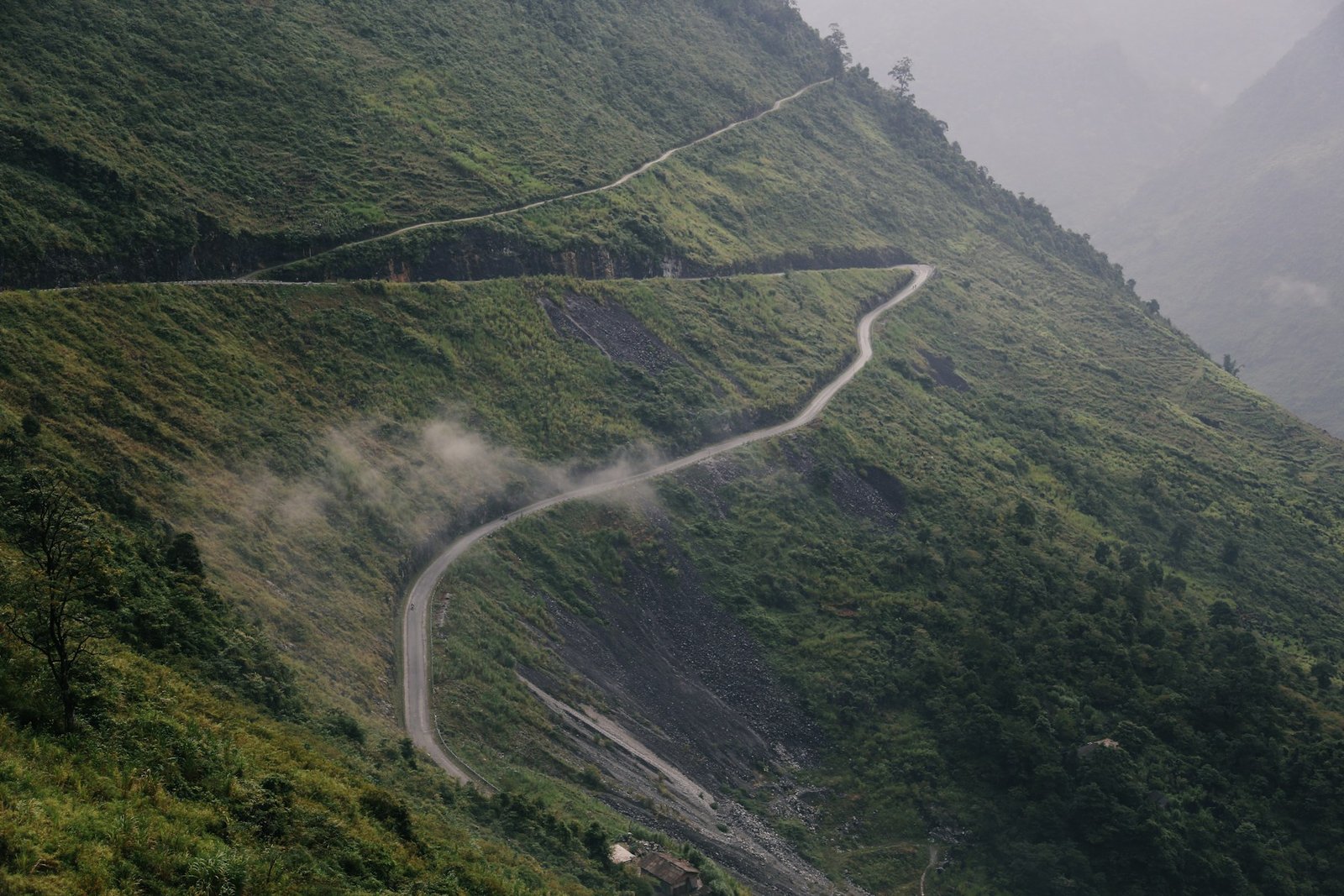
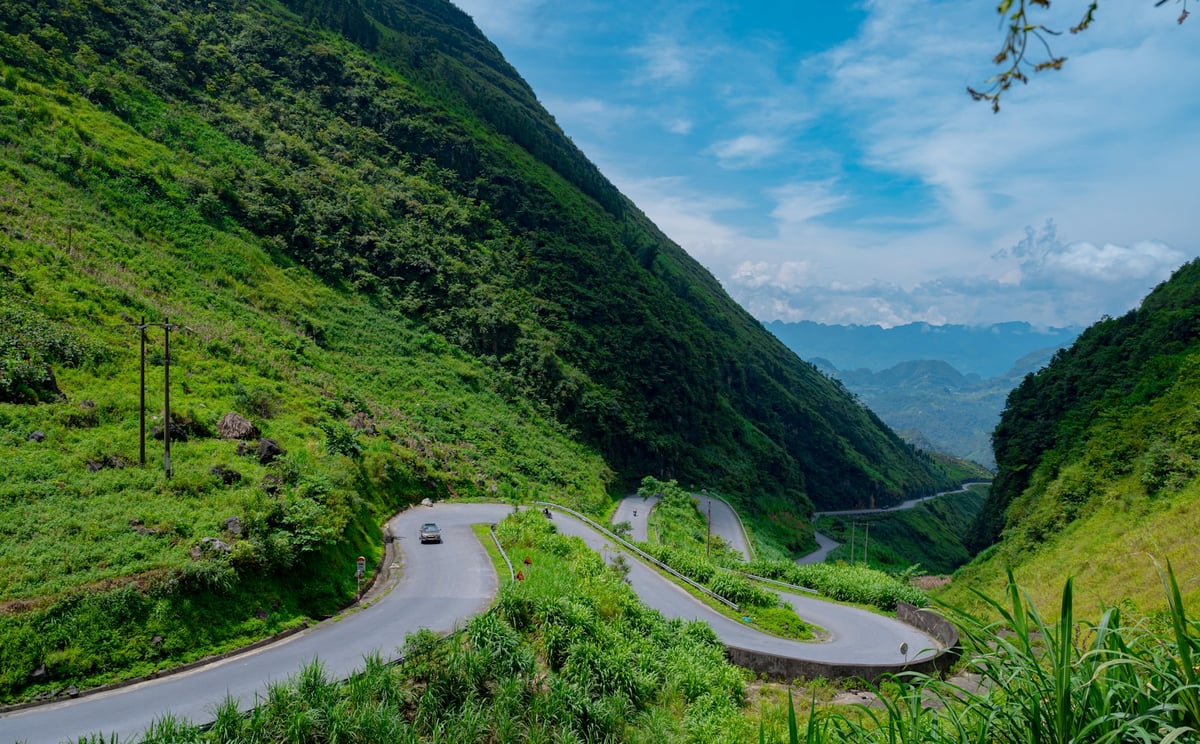
The Ha Giang loop is a several-day circuit of mountain road in Vietnam's far north, up against the Chinese border, through the Dong Van karst plateau and over the Ma Pi Leng pass. It has become the thing travellers in their twenties go to Vietnam for, and the photographs are not exaggerating. The question is not whether to go. It is how to do the road, because the three ways of doing it are not three prices for the same thing.
What the loop is
The Ha Giang loop runs north from Ha Giang city through Quan Ba and Yen Minh to Dong Van, then along the Ma Pi Leng pass above the Nho Que river to Meo Vac, and back by a different road. Most people take three or four days.
The stretch between Dong Van and Meo Vac has no public transport worth the name, so everyone does it on a motorbike or in a hired vehicle, and that is where the decision lives.
Ha Giang city is most of a day from Hanoi by road, and the loop starts and ends in Ha Giang city, where the rental shops, the tour companies and the hostels cluster. The road is paved for the most part but narrow, with blind bends, livestock, trucks and long drops, and it is mountain weather: fog in winter, heavy rain in summer.
Why it is not Sapa
Sapa is a town with treks around it. Ha Giang is a road with villages along it. You do not base yourself anywhere; you move every day, and the point is the moving. That is also why the mode question matters more here than anywhere else in Vietnam.
Riding it yourself
Riding the Ha Giang loop on your own rented motorbike is the version sold hardest, and for an American it has a legal problem that does not go away. A US driver's licence and an International Driving Permit are both invalid in Vietnam, and the State Department says plainly that driving without a Vietnamese licence can mean a fine, arrest, or jail. Renting without one is illegal, whatever the shop says.
The shop will rent to you anyway. That is the part that misleads people, and it does not change the position. Under Vietnam's traffic law, driving without the licence the law requires is itself a listed prohibited act, and police do stop riders on the loop. The usual outcome of being stopped is a fine, but the more serious exposure is the one you do not feel until something goes wrong: after an accident while riding unlicensed, your travel insurance may not pay your medical bills. On a road with drops like these, and with the nearest serious hospital a long way off, that is the number that matters.
What you read about the IDP
You will find a confident claim that a particular edition of the International Driving Permit works in Vietnam. The US government's statement to its own citizens is that neither your licence nor your IDP works, and that is what we go by. If you have ridden for years at home and want to ride here, the honest version is that you would be doing it unlicensed and uninsured, and deciding that the road is worth it.
Riding pillion with a local rider
Riding pillion on the Ha Giang loop means a licensed local rider drives, you sit behind with a small bag, and a van carries the rest. It is the version most tour companies in Ha Giang city now sell, often called an Easy Rider trip, and it is the only one that gives you the road on two wheels without the licence problem. The rider knows the bends, the weather and the places to stop.
You still wear a helmet, and so does the rider: every rider and every passenger on a motorbike must wear a helmet with the chin strap fastened, pillion passengers included. A good operator issues them; a bad one hands you a plastic shell. Check.
What you give up
Control of the pace, mostly. You stop where the group stops, and on a busy week the groups all stop at the same viewpoints at the same time. Ask whether the trip is a convoy of twenty bikes or a few, and whether the riders speak enough English to tell you what you are looking at. Both vary widely between operators, and the price difference between them is small compared with the difference in the days.
Going by car
A car with a driver covers the Ha Giang loop on the same roads in the same number of days, and it is the right choice for more people than the hostel culture around the loop suggests. Anyone travelling with a parent, anyone who does not want four days of cold or rain on a bike, anyone carrying camera gear, and anyone who simply does not want to be a passenger on a motorbike for hours at a time will see the same landscape through a windscreen.
What you lose is specific: the wind, the smell of the villages, the ability to stop anywhere on a whim, and the particular feeling of the Ma Pi Leng pass from a saddle rather than a seat. People who have done both describe the car version as seeing the loop and the bike version as being in it. That is a real difference, and it is also a smaller one than the loop's reputation implies.
When the car wins outright
In the winter fog, in heavy summer rain, and for anyone whose trip would be wrecked by a minor spill. A fall at walking pace on gravel is the common Ha Giang accident, and in a car it does not happen.
How to choose
Choose pillion if you want the road itself and are fit enough to sit on a motorbike for several hours a day. Choose the car if you are travelling with anyone who would not enjoy that, or if your dates fall in fog or monsoon.
Riding yourself is the choice we cannot recommend to an American, because it means riding unlicensed and probably uninsured on the most consequential road in the country; if you do it anyway, do it knowing that, not believing the shop.
Booking
Book a Ha Giang loop tour from Hanoi or in Ha Giang city; the Hanoi bookings include the overnight bus or van north. Whatever you book, confirm the helmet, the group size and whether there is a support vehicle, because those three things are the trip.
What this decision sits inside
Notice what settled the Ha Giang question: not the scenery, which is the same in all three versions, but the licence, the insurance and the weather. The same three things decide the Hai Van Pass between Hue and Da Nang, the Dalat road down to the coast, and whether you rent a scooter for a week on Phu Quoc. Most people answer each of those separately and end up inconsistent, insured on one road and not on the next.
The connected version, which road is worth which mode for your dates and your party, is worked out in Vietnam, End to End.