Bringing medication into Vietnam: what to declare, the controlled-drug limits and the paperwork that saves you
Most prescription medicine enters Vietnam without fuss, but ADHD stimulants, opioids and some sleeping pills need checking, paperwork and a customs declaration.
Editorial Written and fact-checked for American travelers
Most Americans bring their medicine into Vietnam without a second thought, and for blood-pressure pills, antibiotics, inhalers, insulin or birth control that is the right call. The risk sits in one narrow group: medicines Vietnam treats as narcotic or psychotropic, which includes the stimulants prescribed for ADHD, strong opioid painkillers and some sleeping and anxiety medicines. For those, the order is: check the ingredient, carry only what the trip needs, keep the paperwork on you, and declare at customs when in doubt.
Which medicines cause trouble in Vietnam
Vietnam's drug laws are among the strictest a US traveler will meet, and the US State Department warns that some ingredients in common prescription drugs, including ADHD medicines, may be illegal in Vietnam, and that substances used legally in another country can still lead to arrest in Vietnam. A US prescription does not change that: what counts is the active ingredient, not the label or the doctor who wrote it.
The State Department adds that police sometimes test blood for drugs, so the question is not only what is in your bag but what is in your system. That matters mainly for cannabis: a US medical-marijuana card means nothing in Vietnam, and cannabis and CBD products are the easiest thing on this list to simply leave at home.
The groups to check before you pack
ADHD stimulants. Amphetamine salts (Adderall), lisdexamfetamine (Vyvanse) and methylphenidate (Ritalin, Concerta) are the medicines the State Department warning is aimed at.
Opioid painkillers. Oxycodone, hydrocodone, codeine combinations and tramadol are controlled almost everywhere and treated seriously in Vietnam.
Sleeping and anxiety medicines. Benzodiazepines such as alprazolam (Xanax) and diazepam (Valium), and sleep aids such as zolpidem (Ambien), fall into the psychotropic group.
Cannabis in any form. Gummies, oils and vapes included, whatever their legal status at home.
If a medicine you take is on that list, read its generic name off the pharmacy label, not the brand, and use the generic name in every document you carry. Customs officers in Hanoi or Ho Chi Minh City will not recognize a US brand name; an ingredient name they can look up.
Why this is worth an hour of preparation
An arrest for a drug offense in Vietnam is not a fine at the airport. The State Department notes that consular access to detained Americans is routinely delayed, often by several weeks, which is a long time to be explaining a prescription through a translator.
What to declare at Vietnamese customs
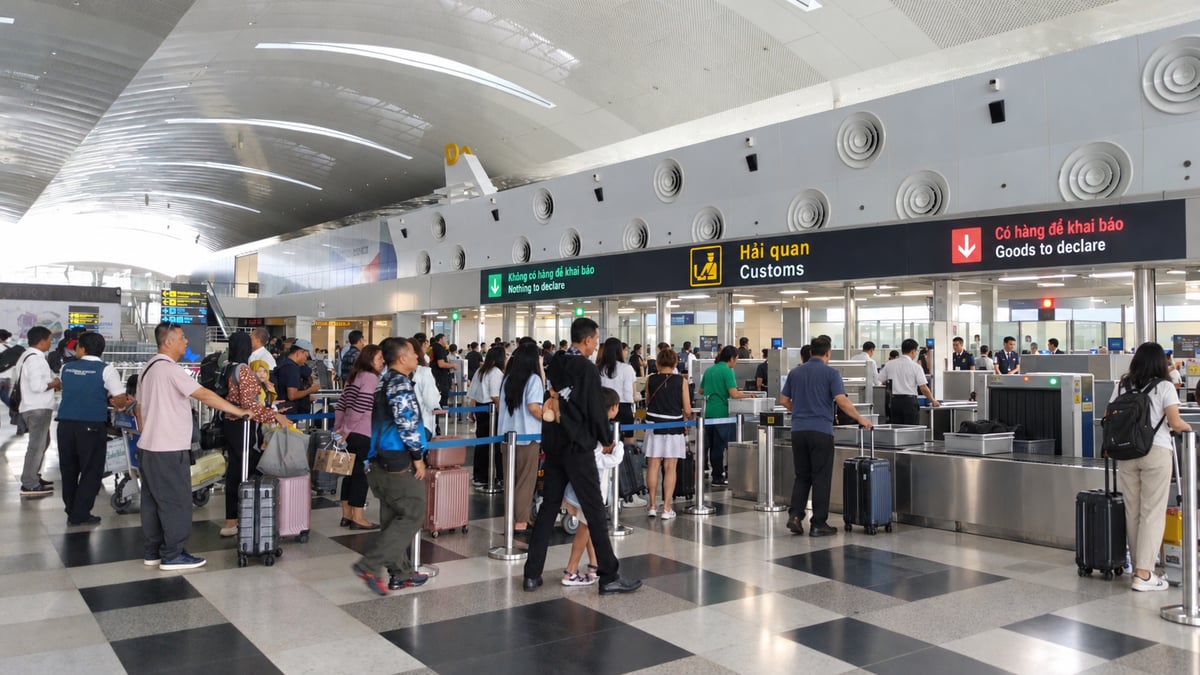
Vietnam Customs publishes no step-by-step guide for visitors carrying medicine, so the safe rule at Noi Bai, Tan Son Nhat or Da Nang airport is practical: ordinary medicine in personal quantities travels in your luggage like anything else, while a narcotic or psychotropic medicine, or anything you are unsure about, is declared. Note that Vietnam's import-ban list changed on 5 September 2026, when Decree 292/2026 replaced Decree 69/2018, so older forum advice may describe the wrong list.
In practice, declaring means choosing the channel for goods to declare rather than walking straight through, and showing the officer the medicine, the prescription and the doctor's letter together. It costs a few minutes. The outcome to avoid is the opposite one: a controlled medicine found in a bag that was carried through the nothing-to-declare channel, with no paperwork alongside it.
The general duty-free allowances for alcohol, tobacco and gifts are a separate subject, covered in our guide to Vietnam customs and duty-free rules.
Carry it in your hand luggage
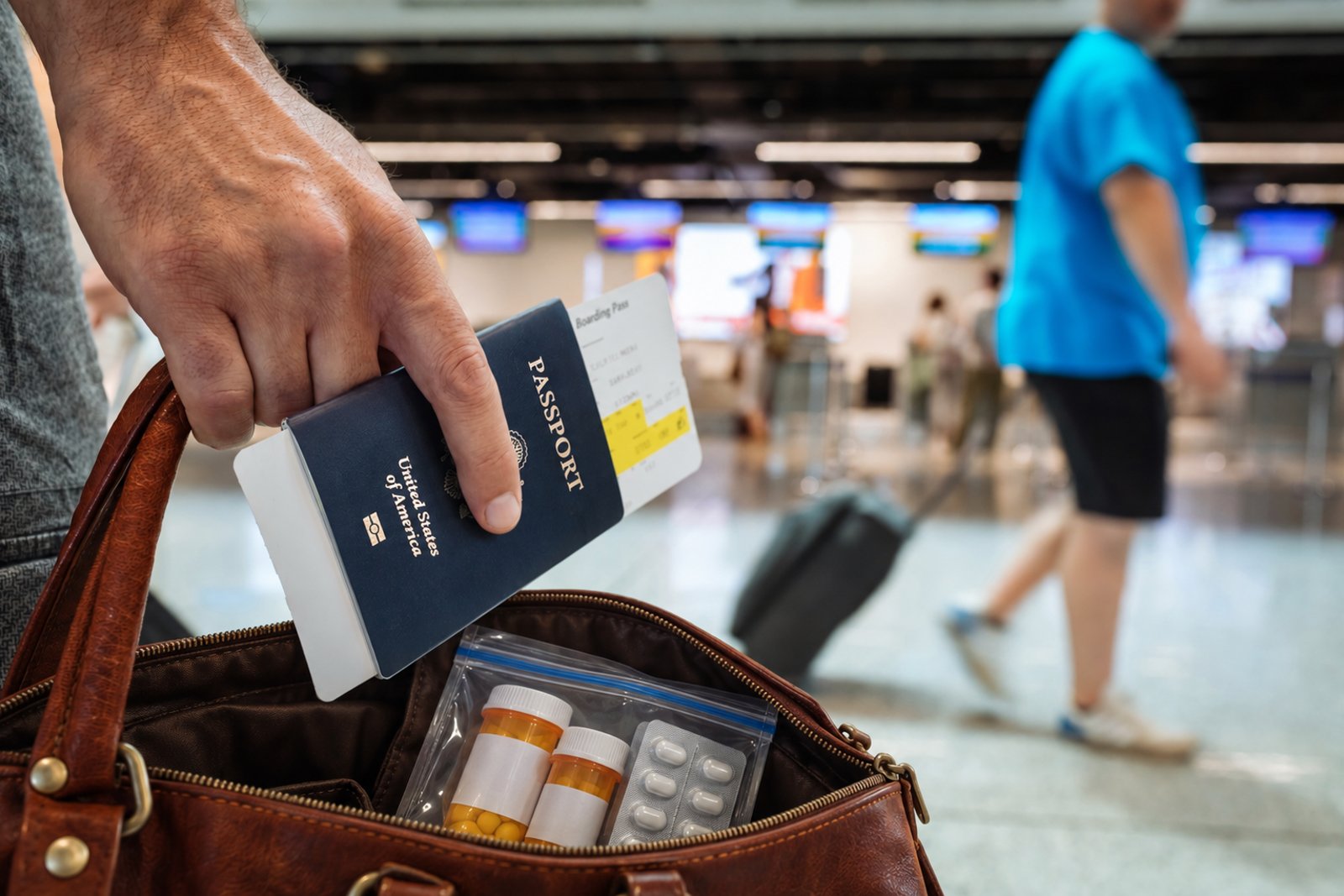
Keep every prescription medicine in your carry-on, in its original pharmacy-labeled container, with the paperwork in the same pouch. A checked bag that misses its connection takes your medicine with it, and a pill organizer full of unlabeled tablets is the hardest thing in any bag to explain.
How much controlled medicine a visitor may carry into Vietnam
Vietnam's quantity limits for controlled medicines carried by visitors are set in Vietnamese health regulations, and this site has not yet confirmed the current figures from an official source, so no number appears here. The rule that holds regardless: carry the quantity your stay needs and no more. Even the longest e-visa stay, 90 days, is a definite length, and the amount should match it.
For anyone on a controlled medicine, the reliable way to get the current limit is to ask before you fly. Email or call the Embassy of Vietnam in Washington, or the consulate nearest you, name the generic ingredient, the dose and the length of your trip, and keep the written reply with your documents. A dated answer from a Vietnamese government office is the strongest single piece of paper you can carry.
If the answer is that your medicine cannot be brought in, talk to your prescriber about an alternative for the trip well before departure. Switching medicines the week you fly is how people end up unwell on day three.
The paperwork that saves you in Vietnam
The documents that settle a medicine question at a Vietnamese airport are the same four for every traveler: the original pharmacy-labeled container, a copy of the prescription, a letter from your doctor, and, for controlled medicines, the written reply from a Vietnamese embassy or consulate. Each one names the medicine by its generic ingredient, and together they show the medicine is yours, prescribed, and sized to the trip.
What you carry
Ordinary prescription medicine
Narcotic or psychotropic medicine
Original labeled container
Yes
Yes
Copy of the prescription
Recommended
Yes
Doctor's letter (generic name, dose, quantity, condition, personal use)
Recommended
Yes
Written reply from a Vietnamese embassy or consulate
Not needed
Strongly advised
Declare at customs
Not usually
Yes
What the doctor's letter should say
One page on the practice's letterhead, signed and dated: your name as it appears in your passport, the condition being treated, each medicine by generic name with its dose and how often you take it, the total quantity you are carrying, and a sentence stating that it is for your personal use during your trip. A Vietnamese translation is not required, but a short one stapled behind the English makes an officer's job easier, and an easy job is a quick one.
Injectables, devices and liquids
Insulin, epinephrine auto-injectors and other injectables travel the same way, with needles and pens listed in the doctor's letter. Our page on health and vaccines in Vietnam covers the rest of the medical preparation for the trip.
Running out of medicine in Vietnam
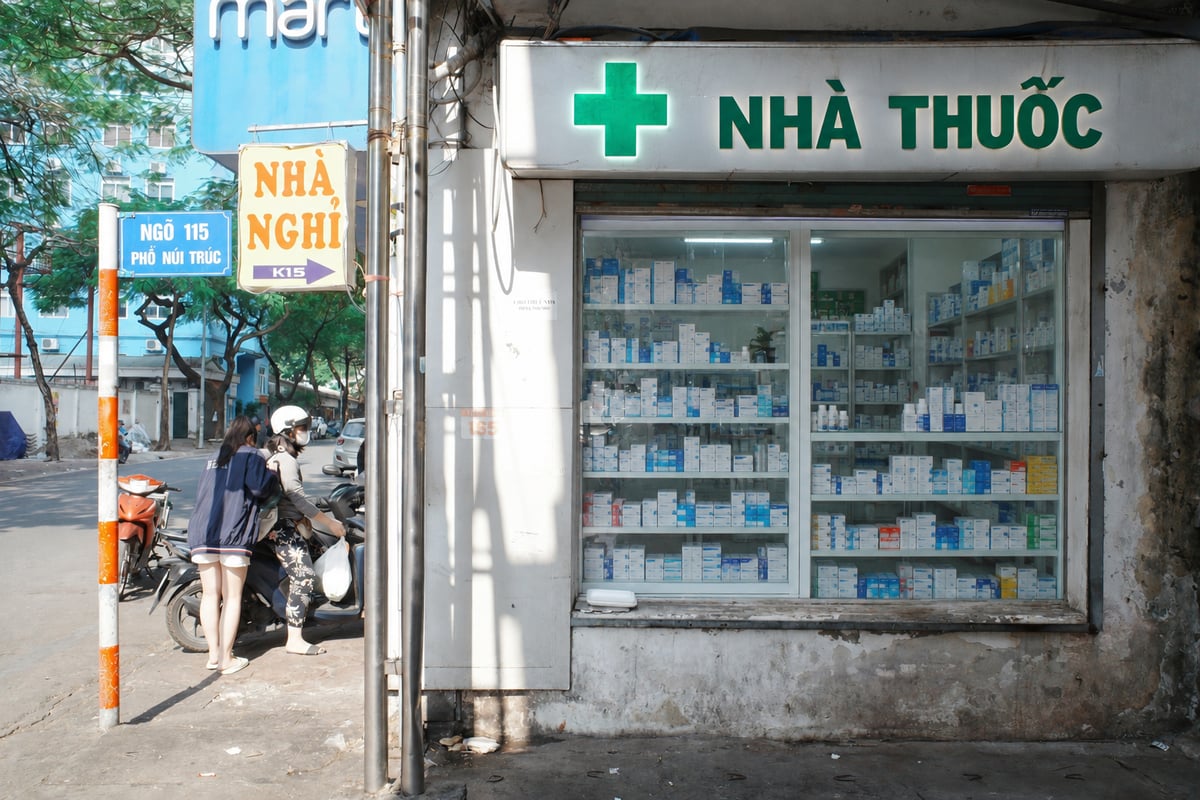
Vietnamese pharmacies, signed "nhà thuốc", are on almost every street in Hanoi, Ho Chi Minh City and Da Nang, and they sell many medicines over the counter that need a prescription at home. That makes them useful for an upset stomach or a forgotten antihistamine, but not a plan for a regular prescription: brands and strengths differ from the US, and controlled medicines need a local doctor.
If you need a prescription renewed, or anything controlled, see a doctor at an international clinic. In Hanoi, a government-published list names Family Medical Practice, International SOS and Raffles Medical as English-speaking clinics with emergency medicine; bring your empty container and your doctor's letter, which make the consultation short. In an emergency, Vietnam's numbers are 113 for traffic police, 115 for an ambulance.
A medical problem can also collide with your visa. If you cannot leave on the date you planned for any reason, including a medical emergency, you will likely pay overstay fines and face delays getting permission to leave, so contact the clinic and your travel insurer early rather than on the last day.
Medication is one item on a longer pre-departure list, and the complete Vietnam decision manual sets the documents, the entry airport and the insurance checks in the order they have to be done.
Keep planning
Not sure how it all fits together?
Pick your trip length and we'll route a real day-by-day plan.