Con Dao is a group of islands about 230 kilometres off the southern coast, reached by air or a long ferry. It has empty beaches, a national park covering most of the land and the surrounding sea, and a prison complex that is one of the most significant historical sites in the country. Very few foreign visitors get there, which is most of its appeal.
The two reasons to go
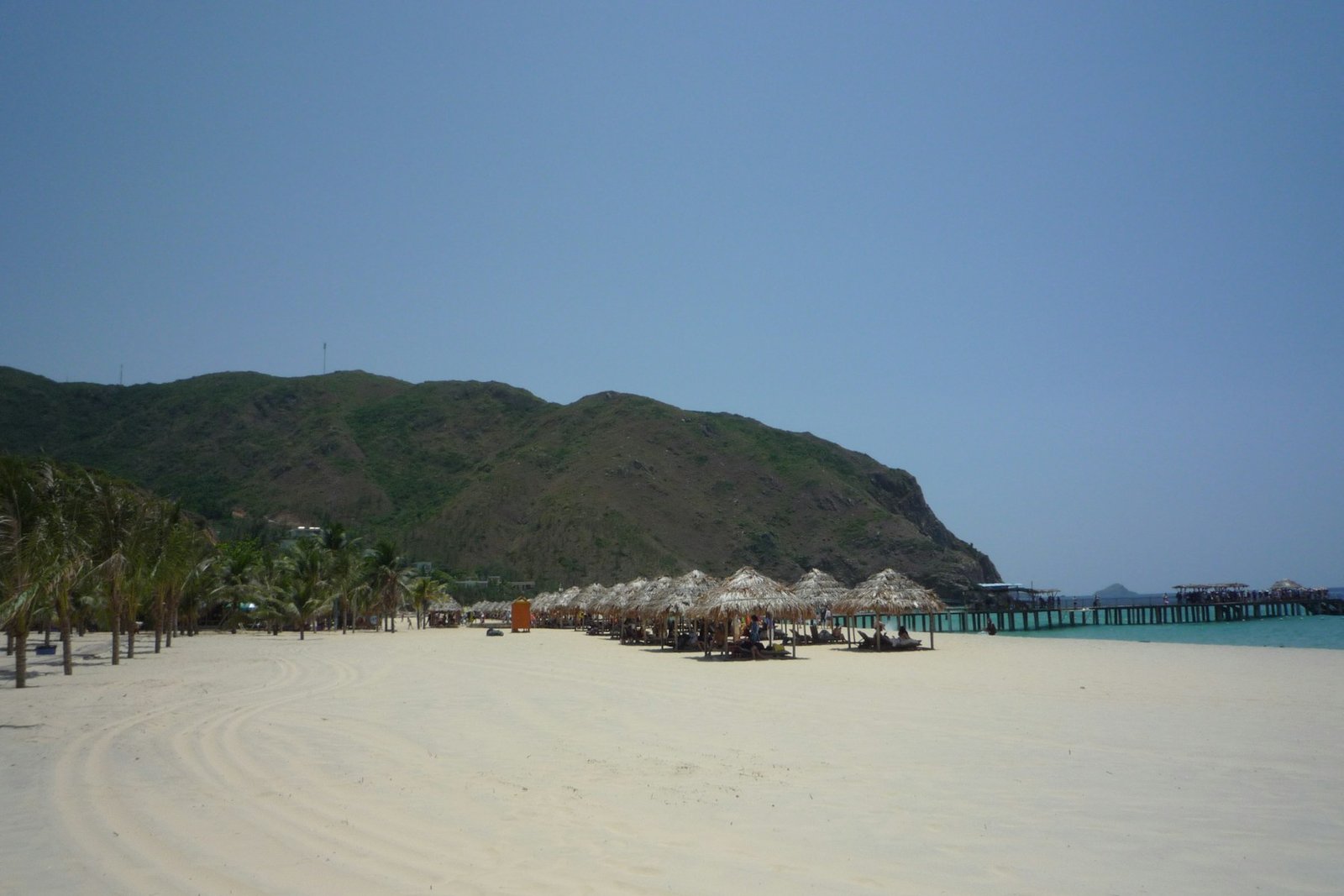
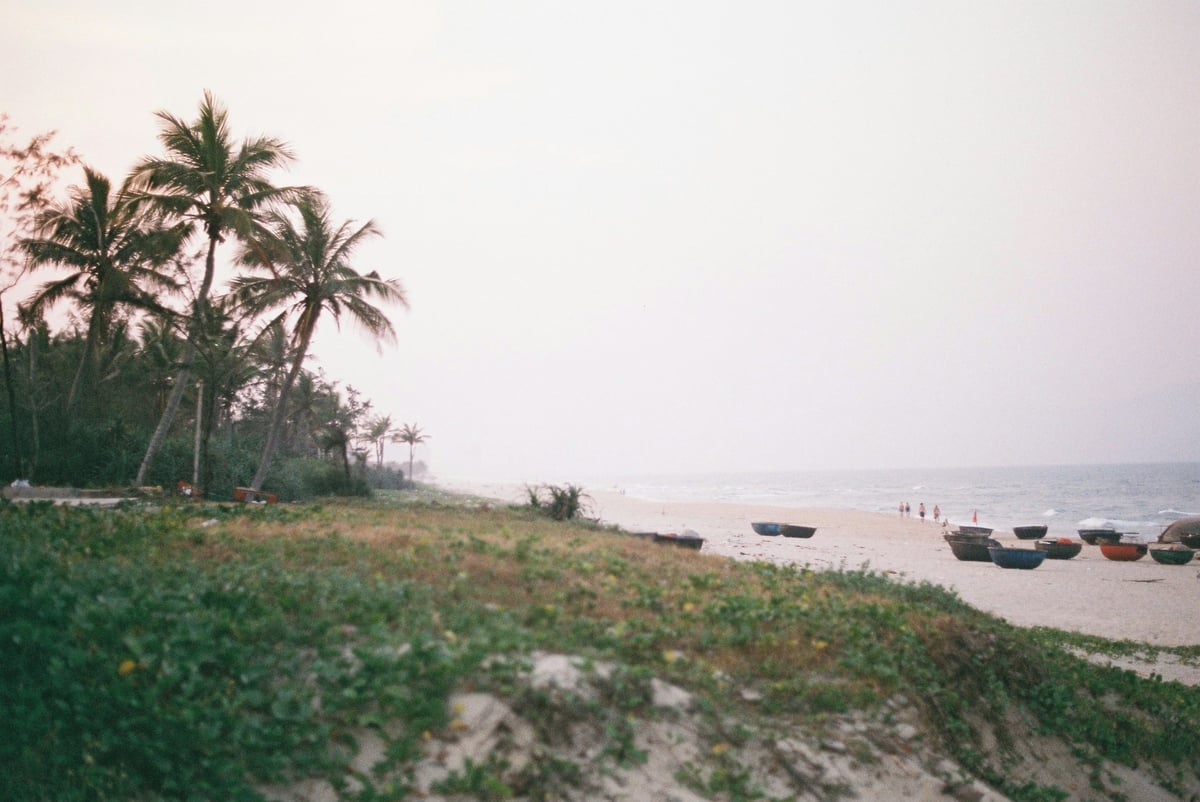
The first is that it is quiet in a way no other Vietnamese beach destination is. The main island has one small town, a handful of hotels and resorts, and long stretches of coast with nobody on them. There is no development at Phu Quoc's scale and no sign of it arriving at that pace.
The second is the history, and it is heavy. The French built a prison on Con Son in the nineteenth century and it was used through the colonial period and the war that followed, including the cells known as the tiger cages. The site is preserved and open, and Hang Duong cemetery holds thousands of graves, including that of Vo Thi Sau, a young resistance fighter executed here and now venerated — Vietnamese visitors come overnight to her grave in large numbers.
How the two sit together
Awkwardly, and that is honest. Con Dao is simultaneously a beach holiday and a place of national mourning, and most Vietnamese visitors are there for the second. Visitors who treat it only as an island resort miss what the place is, and the prison is not an optional half hour.
The beaches and the water
Dam Trau, near the airport, is the best known and the one with a beach bar or two. An Hai and Lo Voi are walkable from the town. The quieter ones need a motorbike or a boat.
The sea around the islands is a marine protected area with better coral and visibility than most of the Vietnamese coast, and diving and snorkelling trips run from the town. Sea turtles nest on several of the outer islands between roughly June and September, and the national park runs supervised visits in season.
The national park
Most of Con Son and the smaller islands are protected. There are marked walking trails through the forest, including one to Dam Trau and another up to a viewpoint over the bay, and the park office in town arranges permits and guides for the longer ones and for the outer islands.
The forest holds the Con Dao black squirrel and the long-tailed macaque, and the birdlife is good. Dugong are present in the seagrass beds and are rarely seen.
The prison, in more detail
Several sites make up the complex and the usual circuit takes a morning. Phu Hai, the largest of the camps, with its communal cells. The tiger cages, small open-topped cells built under the French and used afterwards, which became internationally known in 1970. Phu Binh camp, built later. And the museum, which sets out the chronology.
Hang Duong cemetery is a short distance away and is a working place of commemoration rather than a monument. Vietnamese visitors come at night to Vo Thi Sau's grave; if you are there in the evening, stand back and watch rather than walking through it.
Getting there
Flights run from Ho Chi Minh City and from Can Tho to the island's small airport, and the schedule is limited — book early, and build in the possibility of weather cancelling a flight. A high-speed ferry runs from Vung Tau and from Soc Trang; it takes several hours and does not sail in rough conditions.
Neither route is a casual day trip. Con Dao is a three- or four-night destination at minimum, and the transport is the reason.
Getting around
The main island has one road around the inhabited part and very little traffic. Hotels rent bicycles and electric scooters. Renting a motorbike is common among visitors, and the usual position applies: a US licence and an International Driving Permit are both invalid in Vietnam, renting without a Vietnamese licence is illegal, driving without one can mean a fine, arrest, or jail, and your travel insurance may not pay your medical bills after an accident.
When to go
Roughly March to September is the calmer, drier period for the sea on the main side of the island, and the turtle season falls within it. October to February brings rougher water and more cancelled ferries, though the island itself is pleasant.
Vietnamese holiday periods, particularly the lunar new year, fill the island's limited accommodation, and Vo Thi Sau's commemoration draws large numbers.
Eating and staying
The town has a market, a short row of restaurants and a few cafes, and the seafood is excellent and cheap. Accommodation runs from guesthouses in town to one very expensive resort on the coast, with not much in between, and the supply is small enough that booking ahead matters in any busy period.
Evenings are quiet. That is either the attraction or the problem, depending on who you are.
Who it suits
People who want an empty beach and do not mind that there is very little to do in the evening. People with an interest in the war and the colonial period, for whom the prison alone justifies the trip. And anyone who has been to Phu Quoc and found it too developed.
It suits a first-time two-week Vietnam itinerary considerably less well, because the flights and the minimum stay cost four days that the rest of the country wants.
FAQ
Why go to Con Dao?
The first is that it is quiet in a way no other Vietnamese beach destination is. The main island has one small town, a handful of hotels and resorts, and long stretches of coast with nobody on them. There is no development at Phu Quoc's scale and no sign of it arriving at that pace.
Which beaches are best on Con Dao?
Dam Trau, near the airport, is the best known and the one with a beach bar or two. An Hai and Lo Voi are walkable from the town. The quieter ones need a motorbike or a boat.
What is there to do in Con Dao National Park?
Most of Con Son and the smaller islands are protected. There are marked walking trails through the forest, including one to Dam Trau and another up to a viewpoint over the bay, and the park office in town arranges permits and guides for the longer ones and for the outer islands.
Keep planning
Not sure how it all fits together?
Pick your trip length and we'll route a real day-by-day plan.