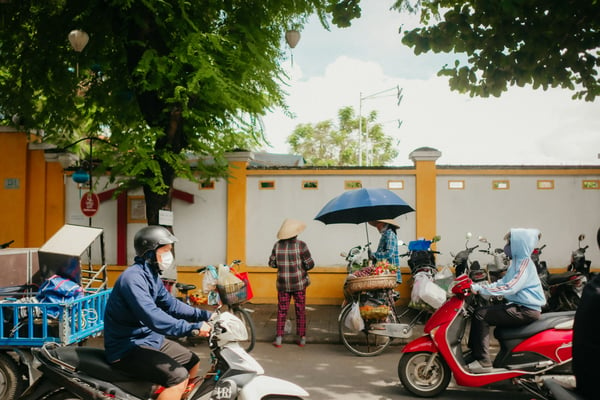
Renting a motorbike is the classic Vietnam experience, and for a lot of travelers it is the whole point of the trip. It is also the one decision on a Vietnam itinerary where the gap between what is easy and what is legal is wide enough to end badly. Here is the honest version.
The legal position, stated plainly
US driver's licences and International Driving Permits do not work in Vietnam. The State Department puts it without hedging: driving without a Vietnamese licence can mean a fine, arrest, or jail, and renting a moped or motorbike without one is illegal. That is the US government describing the law to its own citizens, not a cautious lawyer's reading.
You will not feel any of this at the rental shop. Shops routinely hand over a bike against a passport photocopy and a cash deposit, ask nothing, and check nothing. The absence of a check is not permission — it only means the consequences arrive later, if they arrive at all.
Why the IDP you bought does not help
Americans often arrive holding an International Driving Permit from AAA, reasonably assuming it is the universal solution. Vietnam does not recognise it. The permit the United States issues is not the standard Vietnam accepts, and the State Department simply lists both your licence and your IDP as not working. Buying one before you fly is money spent on a document that changes nothing here.
What this does to your insurance
Travel medical insurance is where the legal question turns into a financial one, and it is the reason this article exists. If you are in an accident while riding without a valid licence, the State Department warns that your travel insurance may not pay your medical bills.
Sit with what that means. Road safety is the hazard the State Department warns about at greatest length in Vietnam, and a bad motorbike accident can mean a medical evacuation costing well into six figures. Riding without a licence means finding out whether your policy pays at the worst possible moment — the State Department's wording is that it may not, which is a risk you are accepting rather than a certainty you are buying.
Can you get a Vietnamese licence as a visitor?
Realistically, no. Converting a foreign licence requires residency documentation — a temporary residence card issued by the Immigration Department — which a tourist on an e-visa does not hold and cannot obtain for a two-week trip. The lawful route exists for people who live in Vietnam, not for people visiting it.
Traffic law, and how much it is enforced
Vietnamese law requires helmets, speed-limit compliance and zero alcohol while driving — zero, not a blood-alcohol threshold like the 0.08 you are used to. One beer with dinner puts you over the limit. You must also carry your licence, the vehicle registration and identification while riding.
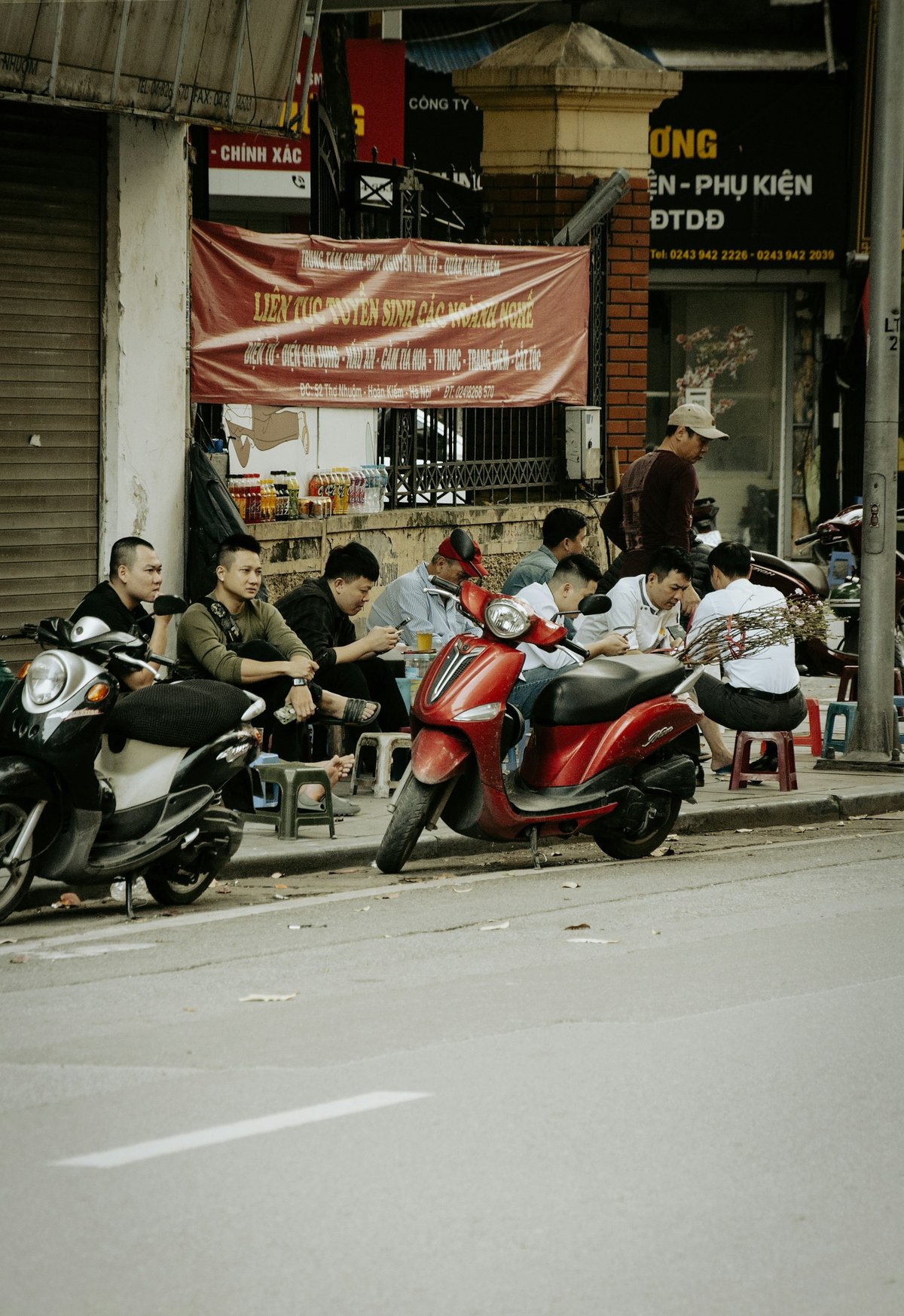
Enforcement is tightening rather than relaxing. The government is deploying cameras and raising fines in Hanoi and Ho Chi Minh City, and traffic police increasingly have speed detectors and some English. The State Department also notes that informal payments are sometimes solicited for minor violations, and advises insisting on an official receipt.
If you ride anyway
Plenty of travelers make this choice with their eyes open, and pretending otherwise would be dishonest. If you are going to, reduce the things that are actually within your control.
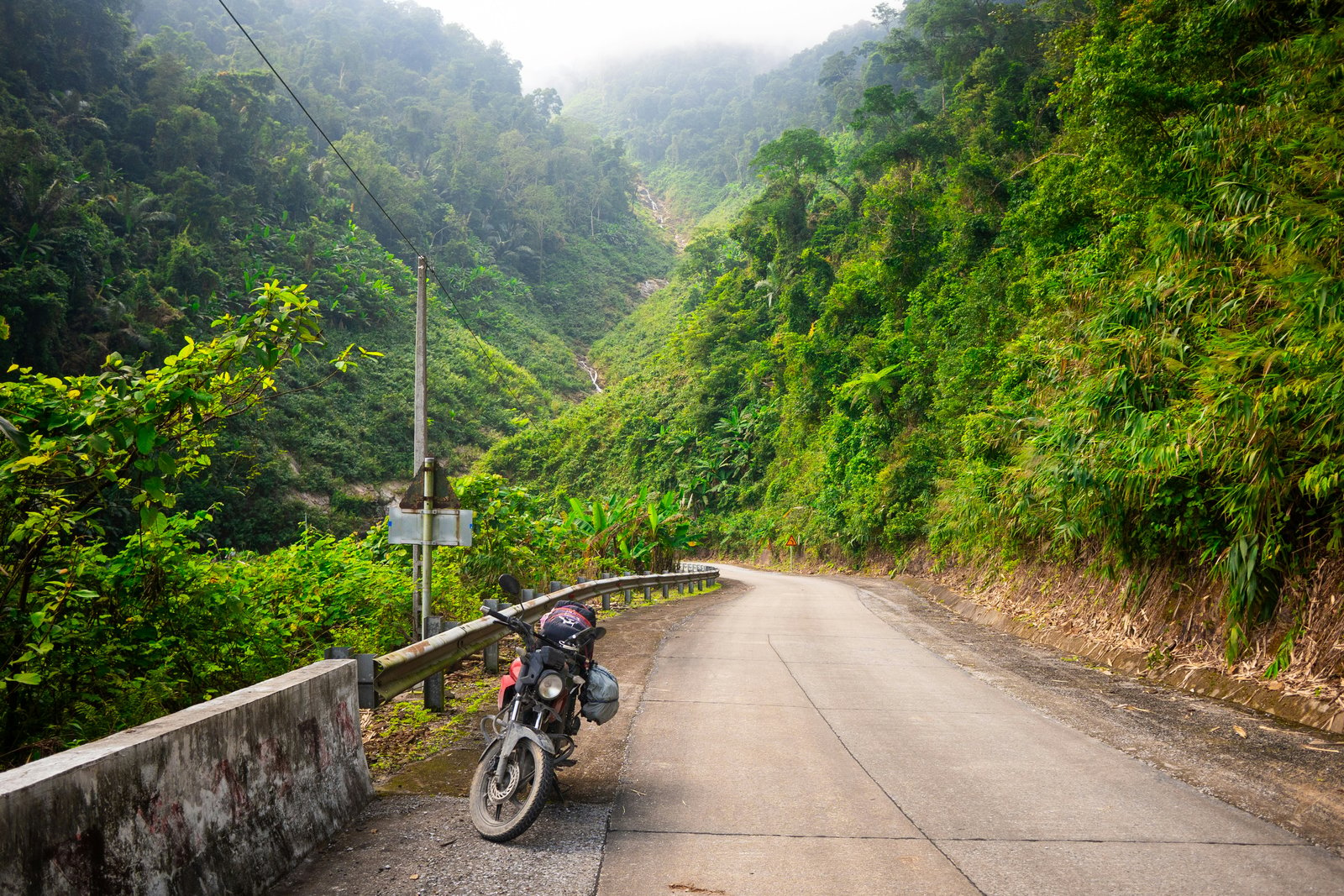
Photograph the entire bike with the renter present before you ride off, including every existing scratch, or expect to be charged for them at return. Never surrender your actual passport as a deposit — offer a photocopy and cash. Wear a real helmet rather than the plastic shell supplied, which is not designed to survive an impact. Ride outside the cities before you ride inside them, and do not start in Ho Chi Minh City traffic on day one.
The alternatives that are not a compromise
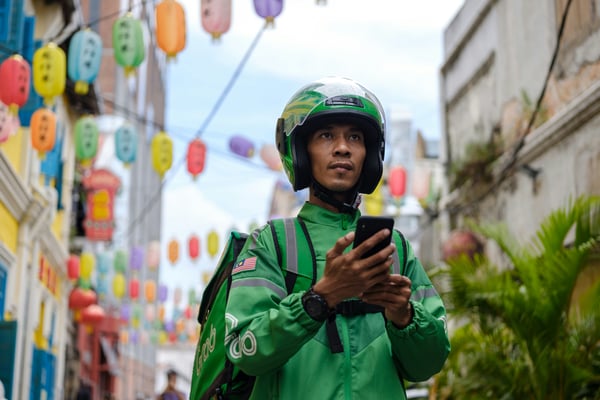
Riding pillion with an experienced local — the easy-rider model — is how a large share of the Ha Giang loop is actually done, and it removes the licence problem entirely while improving the experience: you get a guide, and you get to look at the scenery instead of the road. A car with a driver costs roughly what bare car rental costs in the US and covers the long legs comfortably. Grab's motorbike taxis handle short city hops for a couple of dollars.
What you are really deciding
Look at what just happened across all of that. This reads like a question about renting a vehicle, but every answer above was actually about something else — which parts of Vietnam you can reach, whether Ha Giang and the mountain passes are on your itinerary at all, how your long north-to-south legs get covered, and what your insurance is worth on the day you need it. The bike was never the decision. The shape of the trip was.
Travelers who sort transport first and route second tend to end up with an itinerary built around a vehicle instead of a vehicle chosen for the itinerary. Which way those choices should run, and what each one forecloses, is worked out in order in Vietnam, End to End. If you are still weighing the broader risk picture, our honest assessment of safety in Vietnam covers the rest.
FAQ
Is it legal to ride a motorbike in Vietnam on a US licence?
US driver's licences and International Driving Permits do not work in Vietnam. The State Department puts it without hedging: driving without a Vietnamese licence can mean a fine, arrest, or jail, and renting a moped or motorbike without one is illegal. That is the US government describing the law to its own citizens, not a cautious lawyer's reading.
What are Vietnam's traffic laws for riders?
Vietnamese law requires helmets, speed-limit compliance and zero alcohol while driving — zero, not a blood-alcohol threshold like the 0.08 you are used to. One beer with dinner puts you over the limit. You must also carry your licence, the vehicle registration and identification while riding.
What should you do if you ride anyway?
Plenty of travelers make this choice with their eyes open, and pretending otherwise would be dishonest. If you are going to, reduce the things that are actually within your control.