Connectivity is one of the things Vietnam does conspicuously well. Mobile data is fast, cheap and widely available, wifi is in essentially every cafe and hotel, and the practical question for a visitor is just how to get connected on day one.
The three options
An eSIM bought before you leave, a physical tourist SIM bought on arrival, or roaming on your US plan. The first two are both good; the third rarely is.
An eSIM is installed before departure and is designed to activate when you land, which removes the airport errand. It requires a phone that supports eSIM — most recent iPhones and flagship Androids do — and it is worth checking both your phone's compatibility and the provider's Vietnam coverage before buying.
A physical SIM bought at the airport or a phone shop requires your passport for registration, takes a few minutes, and is often cheaper per gigabyte than a traveller eSIM. Counters are in the arrivals halls at the main airports.
Roaming
Check what your own carrier charges for international data before relying on it. Roaming add-ons are typically far more expensive per gigabyte than a local plan, though a few US plans include Vietnam at no extra cost — worth two minutes on your carrier's site before you buy anything.
The networks
Three carriers matter. Viettel is state-owned and has the widest rural and mountain coverage, which makes it the sensible default for anyone going to Sapa, Ha Giang or the Mekong backroads. Vinaphone and Mobifone are the other two and are perfectly good in cities and along the main corridors.
If your trip is cities and coast, any of the three is fine. If it includes mountains, ask for Viettel specifically.
Coverage, honestly
4G reaches most inhabited areas including much of the Ha Giang loop and the Sapa valley, and 5G is live in Hanoi, Ho Chi Minh City and Da Nang. The gaps are predictable: deep karst valleys, parts of Ha Long Bay once you are out on the water, and remote trekking routes.
Download offline maps for anywhere rural before you go. Navigation is the thing you miss most when coverage drops, and it is the easiest to prepare for.
Wifi
Widely available and usually free — cafes, restaurants, hotels, many buses and some public spaces. Speeds are generally good in cities. The password is often printed on the menu or the receipt, and asking is entirely normal.
What you will actually use it for
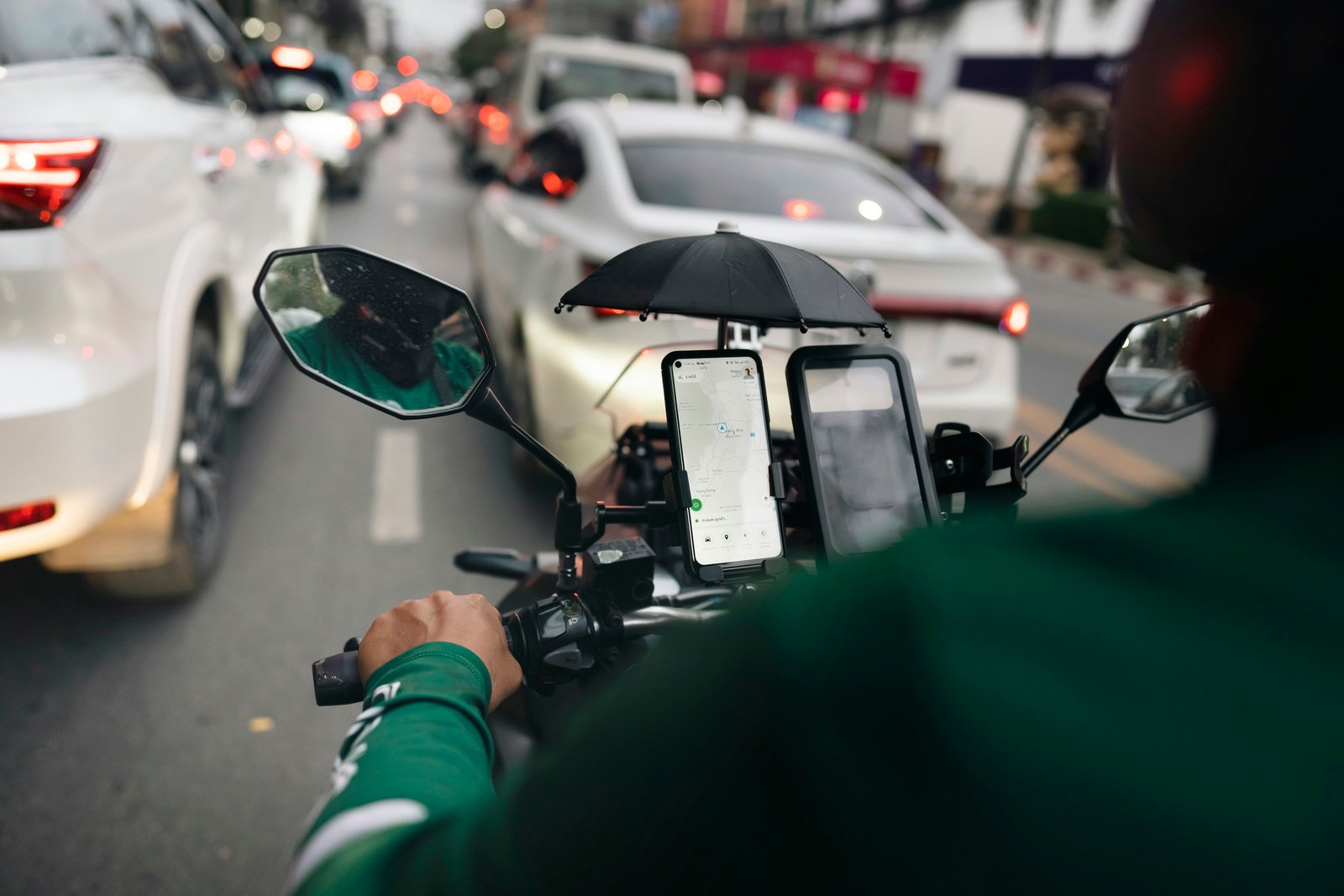
Grab, above everything. The app is how you move around Vietnamese cities and it needs data to call a ride, so connectivity is a transport decision as much as a communication one. After that: maps, translation, and messaging apps, since Vietnamese businesses frequently communicate over Zalo or WhatsApp rather than email.
Zalo is the domestic messaging platform and is worth installing if you are booking directly with small operators, homestays or drivers, many of whom will send confirmations and directions there.
Which to choose
If you want to land connected and are happy to pay a modest premium, buy an eSIM before you fly. If you want the cheapest data and do not mind twenty minutes at the airport, buy a local SIM on arrival. If your trip is a week or less and your carrier includes Vietnam, roaming may genuinely be simplest.
One combination worth considering: an eSIM for the first day so you can call a Grab the moment you land, then a local SIM once you are settled if you are staying long enough for the saving to matter.
Two SIMs at once
Most recent phones run a physical SIM and an eSIM simultaneously, which lets you keep your US number live for bank verification codes while using Vietnamese data. Turn data roaming off on the US line before you land, or the convenience gets expensive.
Things worth knowing
Registration is mandatory for a physical SIM and requires your passport, so buy from an official carrier store or an airport counter rather than a street stall selling unregistered cards. Data packages are commonly sold as short-term tourist bundles with generous allowances, and topping up is easy at any phone shop or convenience store.
Some websites and services are intermittently inaccessible. A VPN is widely used and installing one before you travel is simpler than trying to download one once you are there.
If you are working while travelling
Vietnam is a well-established base for remote work, and the infrastructure reflects it. Cafe wifi in Hanoi, Ho Chi Minh City, Da Nang and Hoi An is generally fast enough for video calls, and co-working spaces are plentiful in all four. Da Nang in particular has built a reputation for it.
Two practical notes: the time difference to the US East Coast is eleven or twelve hours depending on the season, which makes overlapping working hours genuinely difficult, and power cuts do happen occasionally outside the main cities. A charged power bank covers the second problem.
Power
Vietnam runs on 220V at 50Hz, and sockets commonly take both US flat two-pin and European round two-pin plugs, so a US charger usually fits without an adapter. Check that any device is rated 100–240V; most phone and laptop chargers are, and a 110V-only appliance will not survive. A power bank is worth carrying for long travel days.
FAQ
What are the options for mobile data in Vietnam?
An eSIM bought before you leave, a physical tourist SIM bought on arrival, or roaming on your US plan. The first two are both good; the third rarely is.
Which mobile network is best in Vietnam?
Three carriers matter. Viettel is state-owned and has the widest rural and mountain coverage, which makes it the sensible default for anyone going to Sapa, Ha Giang or the Mekong backroads. Vinaphone and Mobifone are the other two and are perfectly good in cities and along the main corridors.
How good is mobile coverage outside the cities?
4G reaches most inhabited areas including much of the Ha Giang loop and the Sapa valley, and 5G is live in Hanoi, Ho Chi Minh City and Da Nang. The gaps are predictable: deep karst valleys, parts of Ha Long Bay once you are out on the water, and remote trekking routes.
Keep planning
Not sure how it all fits together?
Pick your trip length and we'll route a real day-by-day plan.