Hanoi · Ha Long Bay · Hue · Hoi An · Da Nang · Ho Chi Minh City · Mekong Delta · Phu Quoc · Sapa
Vietnam for AmericansFor American travelers

Hanoi Travel Guide for First-Timers

Hanoi is a thousand-year-old street plan still working as one. Here is how to read it on a first visit, and what to expect.

Editorial
Written and fact-checked for American travelers
·5 min read·
Hanoi Travel Guide for First-Timers
On this page
  1. 01How the city is laid out
  2. 02Three days, loosely
  3. 03Eating
  4. 04The weather nobody warns Americans about
  5. 05What Hanoi is like compared with Ho Chi Minh City
  6. 06Safety, in proportion
  7. 07FAQ

Hanoi is the harder of Vietnam's two big cities and the one most visitors end up preferring. It is older, denser, cooler in winter, and organised around a lake and a tangle of trading streets that have been doing the same jobs for centuries. Three days is enough to stop feeling lost.

How the city is laid out

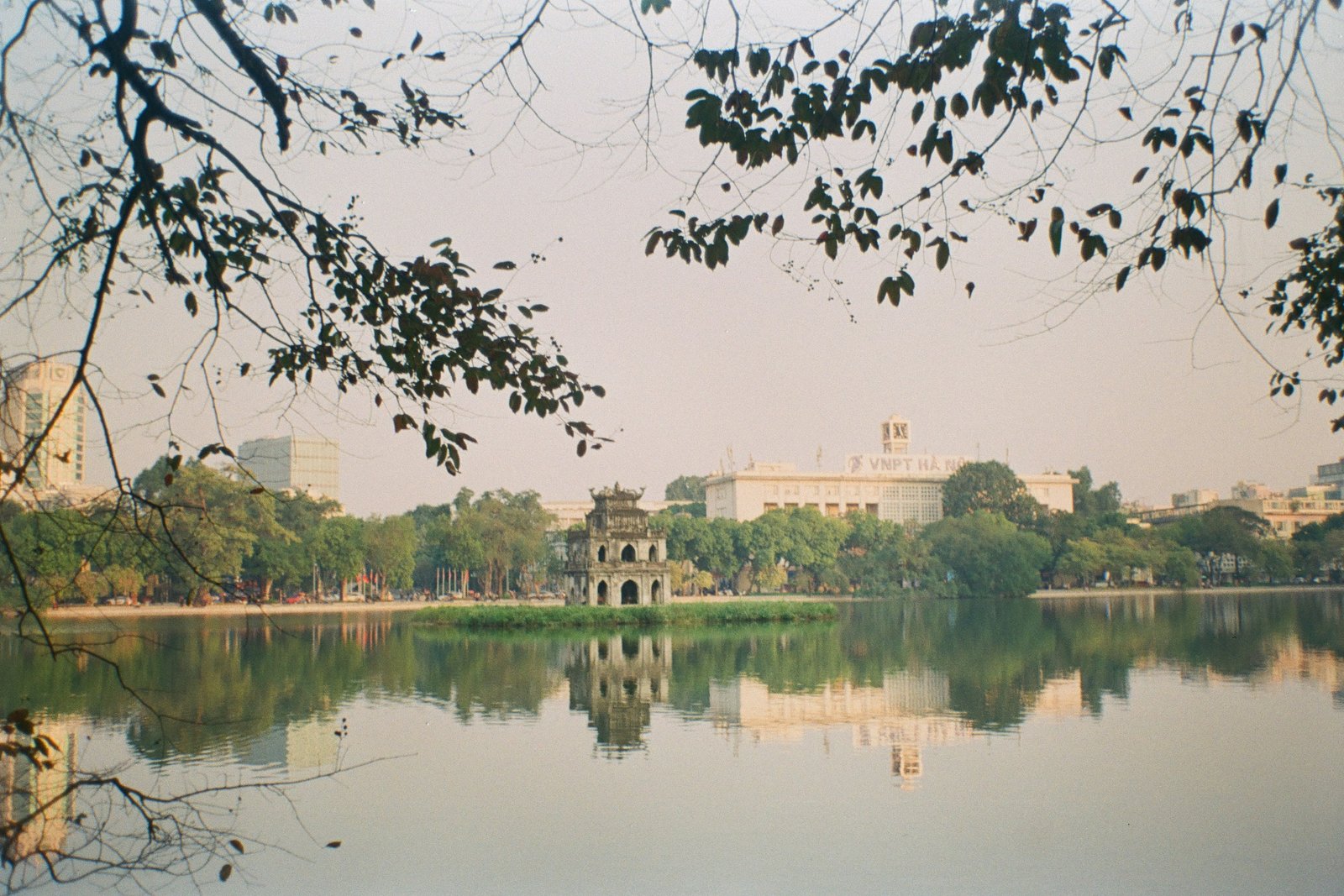
Hoan Kiem Lake is the centre of gravity and the thing to orient yourself by. North of it is the Old Quarter, a dense grid of narrow streets historically organised by trade — one street for tin, one for silk, one for votive paper — and still partly organised that way. South and east is the French Quarter, with wider boulevards, the Opera House and the grander hotels.

West of that sits Ba Dinh, the political district, where the Ho Chi Minh Mausoleum complex and the embassies are. Further northwest, around West Lake, is Tay Ho, a leafier expat-and-cafe neighbourhood that is genuinely pleasant and genuinely far from everything else.

The first thing to understand

Distances look walkable on a map and are, but the pavements are frequently parked solid with motorbikes, so pedestrians walk in the road. That is ordinary here rather than reckless, and traffic generally flows around people who move predictably — though it is a technique for improving your odds, not a guarantee. Give yourself a day to acquire the rhythm.
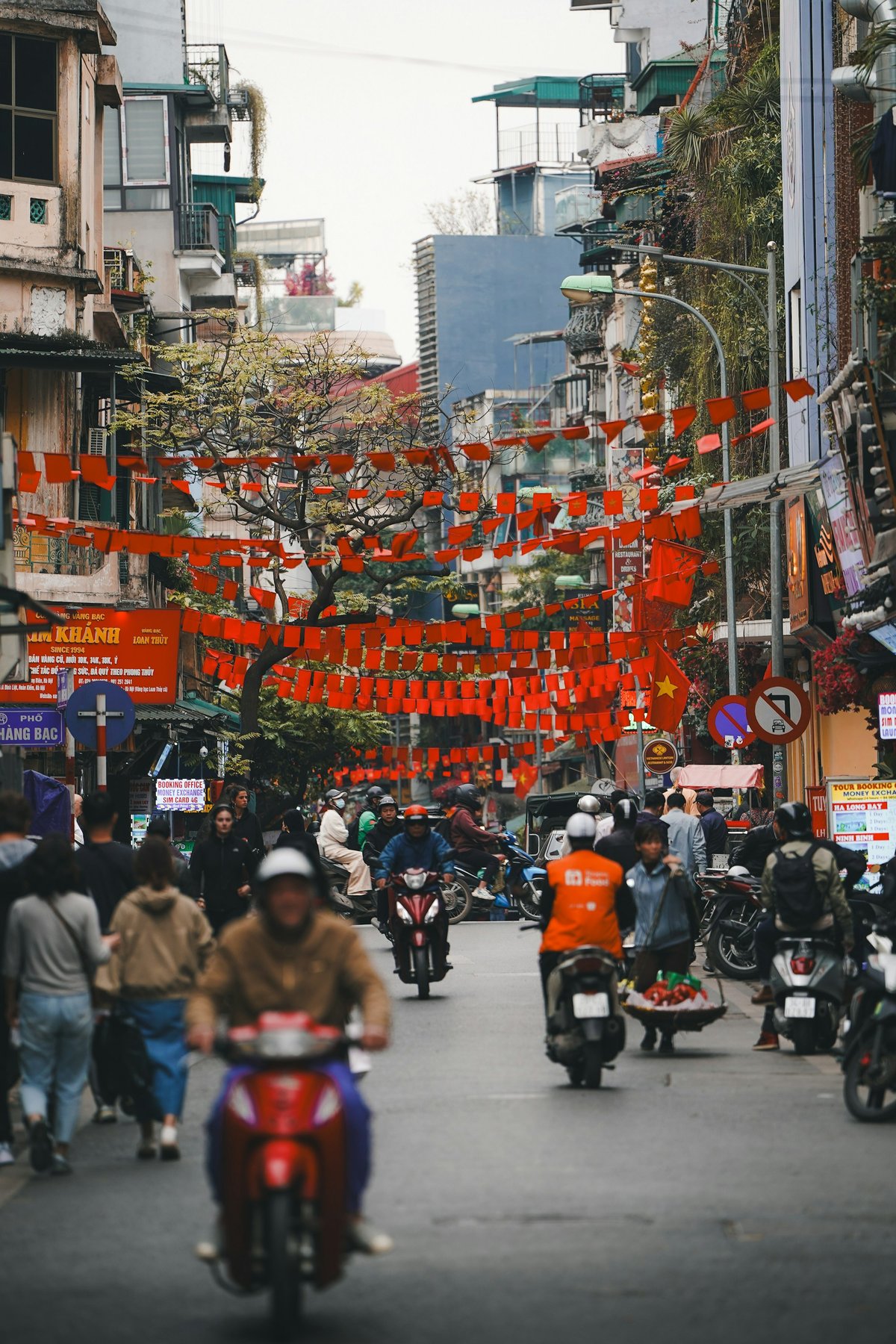
A Hanoi street hung with red banners and lanterns above the shopfronts

Three days, loosely

Day one: walk. Hoan Kiem at six in the morning, when the lakeside fills with exercise classes and badminton, is a different city from Hoan Kiem at noon. Then the Old Quarter on foot with no particular destination. Egg coffee somewhere with a balcony.

Day two: the Ho Chi Minh complex in the morning, because the mausoleum keeps short hours and closes for a period each year — check the current schedule before going, as the rest of the complex does not always follow it. Then the Temple of Literature, Vietnam's first university, founded in 1070 and the calmest half-hour in the city.

Day three: one museum and one escape. The Vietnamese Women's Museum is the best-curated in the city. Hoa Lo Prison, the so-called Hanoi Hilton, presents its American POW period from the Vietnamese side, and going in knowing that is part of why it is worth seeing.

Eating

Hanoi's food is its real argument. Pho here is the plainer northern original — clear broth, no basil plate, no hoisin — and it is a breakfast dish eaten at shops that sell nothing else. Bun cha, grilled pork in a bowl of dressed broth with cold noodles, is the lunchtime dish and the one Hanoi is proudest of.

Beyond those: cha ca, turmeric-and-dill fish cooked at your table; banh cuon, steamed rice rolls; and egg coffee, a Hanoi invention that is far better than it sounds. Eat where there is a queue of locals and high turnover.

Practicalities

Grab is the default for any distance, and a GrabBike through traffic is both the fastest way across the city and the most memorable. The metro exists but serves commuter corridors rather than the sights. Carry cash: street food, markets and small cafes are cash-only.

The weather nobody warns Americans about

Hanoi has four real seasons, including a genuinely cold winter. December to February runs in the 50s and 60s Fahrenheit with a persistent grey drizzle, and visitors who packed for Southeast Asia in the abstract arrive badly dressed. Summer is the opposite — 90s with high humidity and the heaviest rain of the year.

One more consideration: the State Department notes that air pollution is a significant problem in Vietnam’s major cities, especially Hanoi, If you are asthmatic or travelling with someone who is, check a live air-quality reading for your dates rather than any figure printed in an article.

What Hanoi is like compared with Ho Chi Minh City

Worth knowing if you are doing both. Hanoi is older, denser and more reserved; Ho Chi Minh City is bigger, hotter, flatter and more openly commercial. Hanoi's food culture is narrower and deeper — a handful of dishes done exactly — while the south is sweeter, more varied and more influenced by the Mekong.

Plenty of visitors arrive expecting to prefer the south and leave preferring the north. The reason usually offered is that Hanoi is a city you walk and Ho Chi Minh City is a city you ride through.

Safety, in proportion

Hanoi is a safe city by any ordinary measure. Petty theft is the common risk, with phone snatching from passing motorbikes its signature form, so do not walk and scroll. Emergency numbers are 113 for traffic police, 115 for an ambulance, though be aware they are frequently answered only in Vietnamese. For anything serious, Hanoi's international hospitals are the route most visitors are advised to take.

The scams that exist are mostly price-ambiguity rather than theft: an unsolicited shoe repair, a cyclo quoted per person rather than per trip. Agreeing the number before anything begins removes the ambiguity these rely on.

FAQ

How is Hanoi laid out?

Hoan Kiem Lake is the centre of gravity and the thing to orient yourself by. North of it is the Old Quarter, a dense grid of narrow streets historically organised by trade — one street for tin, one for silk, one for votive paper — and still partly organised that way. South and east is the French Quarter, with wider boulevards, the…

What can you do in three days in Hanoi?

Day one: walk. Hoan Kiem at six in the morning, when the lakeside fills with exercise classes and badminton, is a different city from Hoan Kiem at noon. Then the Old Quarter on foot with no particular destination. Egg coffee somewhere with a balcony.

How is Hanoi's food different from southern Vietnam's?

Hanoi's food is its real argument. Pho here is the plainer northern original — clear broth, no basil plate, no hoisin — and it is a breakfast dish eaten at shops that sell nothing else. Bun cha, grilled pork in a bowl of dressed broth with cold noodles, is the lunchtime dish and the one Hanoi is proudest of.

Keep planning
Not sure how it all fits together?

Pick your trip length and we'll route a real day-by-day plan.

Build your trip →