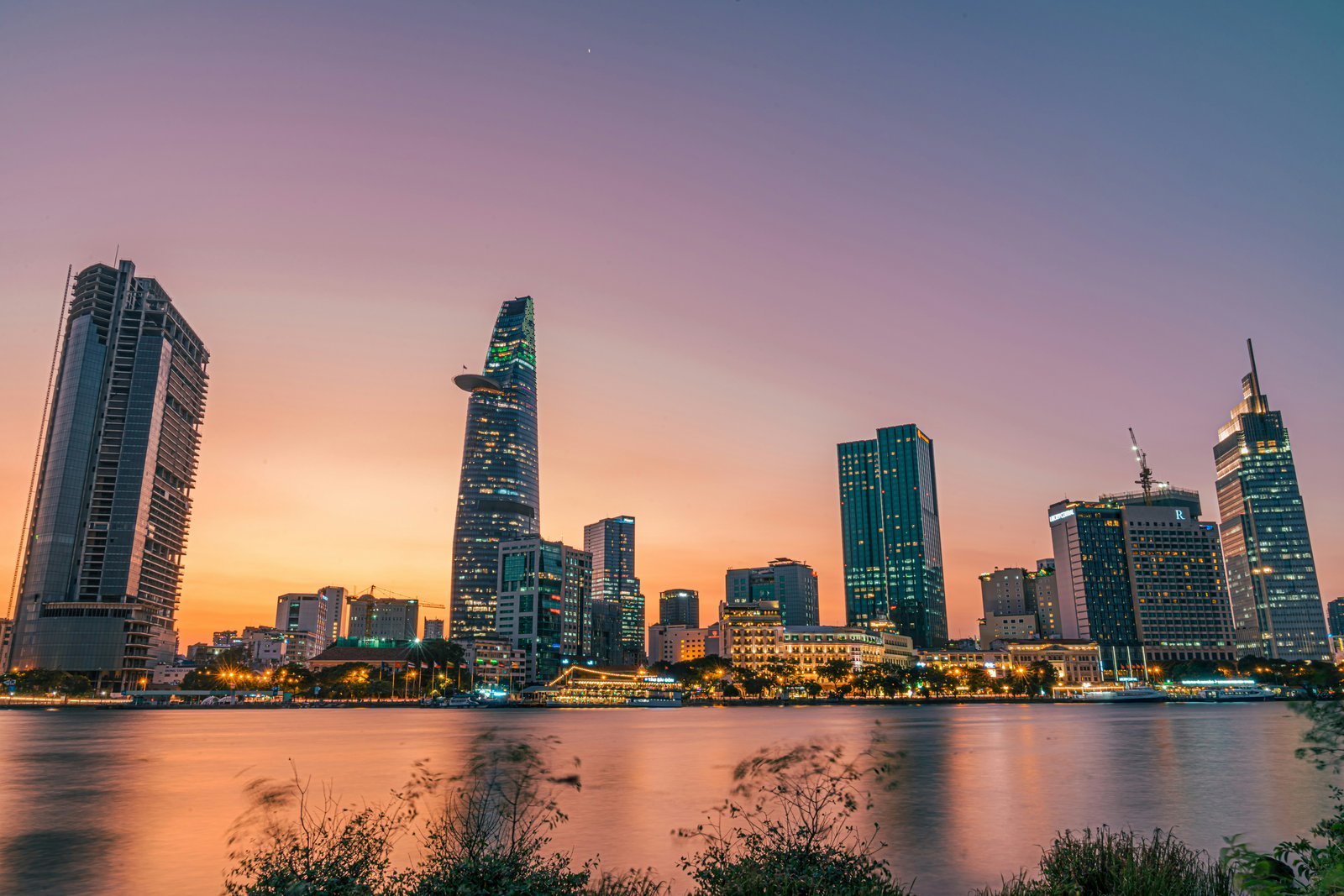
Ho Chi Minh City is Vietnam's largest city and its commercial engine, and it makes a very different impression from Hanoi. It is hotter, flatter, louder and more openly modern, and for an American visitor it is also where the war is least avoidable. Two or three days covers the essentials.
Saigon or Ho Chi Minh City
Both names are in everyday use. The official name has been Ho Chi Minh City since 1976; Saigon survives in ordinary speech, in the airport code SGN, in business names, and as the common shorthand for District 1 specifically. Using either is unremarkable.
How the city is organised
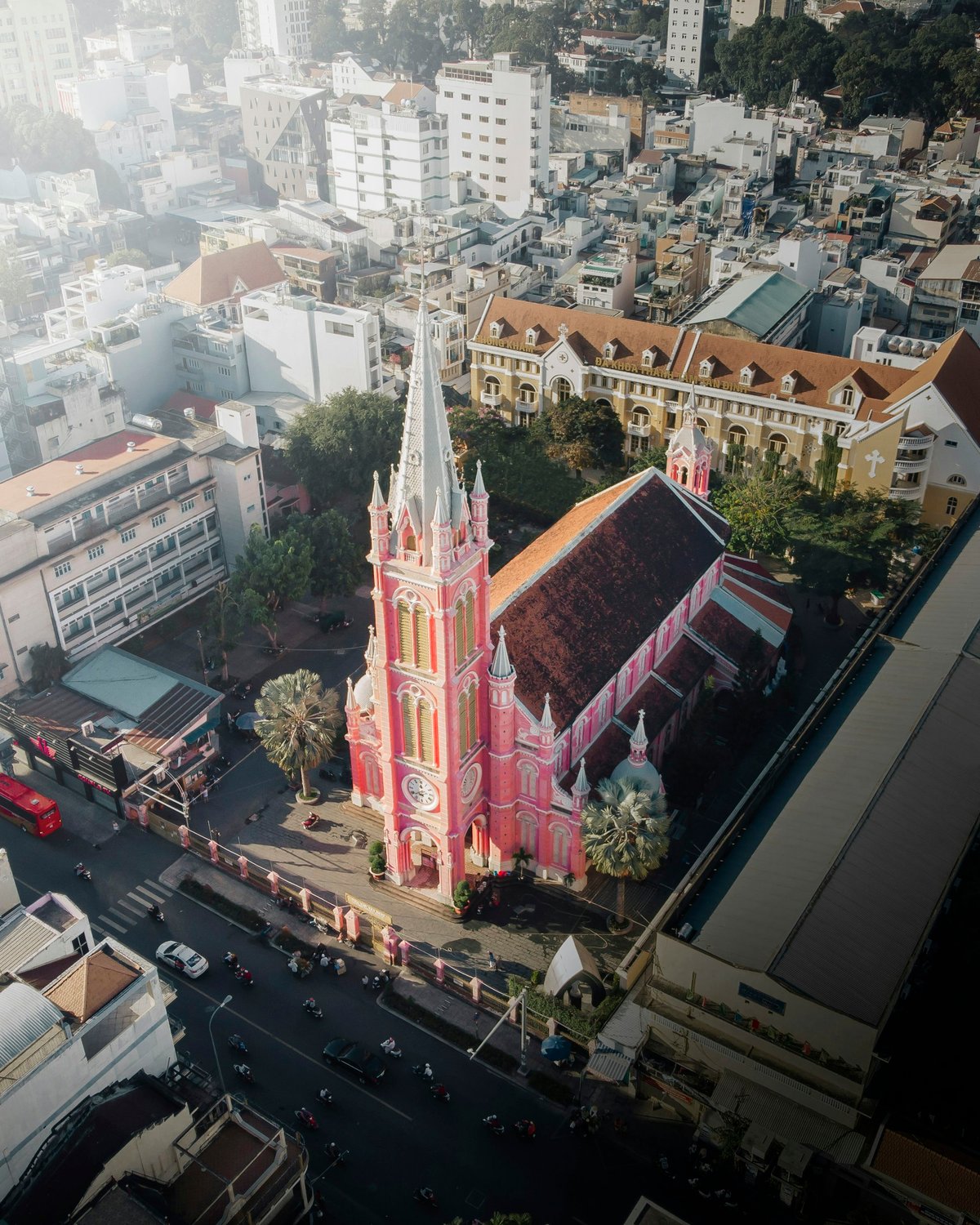
Districts are numbered, and District 1 is the centre: the Opera House, Ben Thanh Market, the main hotels, Dong Khoi's shops and most of what a short visit covers. District 3 sits immediately northwest, quieter and leafier. District 5 is Cho Lon, the historic Chinese quarter. Across the river in what was District 2 is Thao Dien, long established as the main expatriate neighbourhood. District 4, small and central, has a reputation for street food.
Almost everything a first visit wants is in District 1 and walkable within it, though the heat and the distances make a Grab the sensible default for anything over a few blocks.
The three days that work
Day one: the War Remnants Museum in the morning, early, while you have the energy for it. Then Reunification Palace, ten minutes away, which is the same history from inside the government that lost. Finish somewhere with air conditioning.
Day two: Cu Chi Tunnels as a half or full day, or Cho Lon if you would rather stay in the city. Cho Lon is the better choice for anyone who has had enough of the war by then — Thien Hau temple, the herb streets and Binh Tay market make a good slow afternoon.
Day three: the Mekong Delta, or a slower city day — the Central Post Office, Notre-Dame Cathedral, the Fine Arts Museum, and a rooftop at dusk.
Eating
Southern food is sweeter and more herb-heavy than northern. Pho here is usually served with a plate of bean sprouts, basil, lime and sauces on the side, which is not the northern style. Com tam, broken rice with grilled pork, is the city's workhorse lunch. Banh mi has a strong claim to being at its best here, and hu tieu, the southern noodle soup, is the one to order in Cho Lon.
The eating happens on the street, on low plastic stools, and the best of it is in Districts 4 and 5 rather than the tourist streets of District 1.
The heat
Ho Chi Minh City is warm year round, typically in the 80s and 90s Fahrenheit with high humidity, and there is no cool season — only a dry one from December to April and a wet one from May to November. Wet season rain is usually a heavy afternoon hour rather than an all-day event.
Adopt the local rhythm: start early, take the middle of the day slowly and indoors, and go out again after four.
Safety and the city's one real annoyance
The State Department notes that petty crime is common, especially in popular tourist locations, and in Ho Chi Minh City the signature form is bag and phone snatching from a moving motorbike. It is the single thing worth adjusting your habits for: do not walk while looking at your phone, keep bags on the traffic-away side, and stop with your back to a wall if you need to check a map.
Beyond that, the usual big-city precautions apply. Grab at least removes the taxi-fare question, since the price is agreed before you get in.
Getting in from the airport
Tan Son Nhat is unusually close — about four miles from District 1 — and still takes thirty to fifty minutes in traffic. Grab pickup is on the upper level rather than outside arrivals, which catches people out; follow the signs up rather than accepting the first offer at the kerb.
A day out of the city
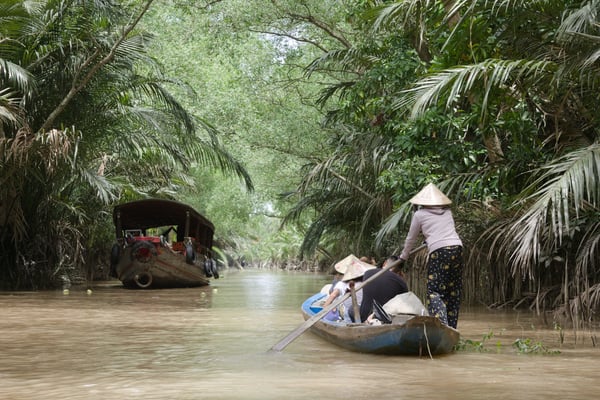
Two options dominate. Cu Chi Tunnels, an hour and a half to two hours northwest, is the war site most visitors add. The Mekong Delta is the other, though the packaged day trip from the city is widely described as thin — the version worth doing is an overnight to Can Tho for the dawn floating market.
If you have one spare day and want neither, Cho Lon fills it better than most people expect, and it costs you a Grab fare rather than a coach.
How it compares with Hanoi
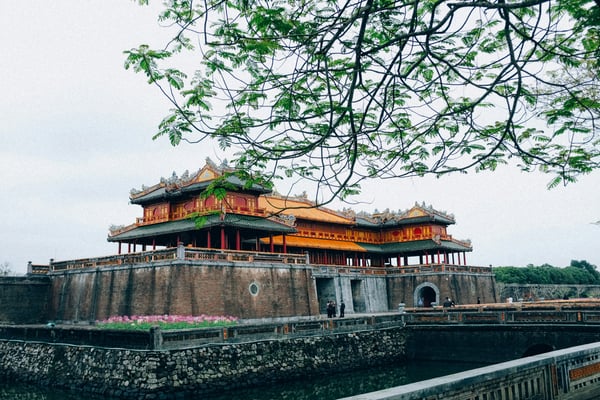
Most itineraries include both, and they are worth approaching differently. Hanoi is older, denser and best walked; Ho Chi Minh City is bigger, hotter and best ridden through. Hanoi's food culture is narrower and deeper, the south's broader and sweeter. Hanoi's sights are mostly pre-colonial and colonial; Ho Chi Minh City's are mostly twentieth-century and about the war.
Visitors often expect to prefer the south and leave preferring the north, which says more about what a short visit shows you than about either city.
FAQ
Is it called Saigon or Ho Chi Minh City?
Both names are in everyday use. The official name has been Ho Chi Minh City since 1976; Saigon survives in ordinary speech, in the airport code SGN, in business names, and as the common shorthand for District 1 specifically. Using either is unremarkable.
What should you do in three days in Ho Chi Minh City?
Day one: the War Remnants Museum in the morning, early, while you have the energy for it. Then Reunification Palace, ten minutes away, which is the same history from inside the government that lost. Finish somewhere with air conditioning.
How is southern Vietnamese food different from northern?
Southern food is sweeter and more herb-heavy than northern. Pho here is usually served with a plate of bean sprouts, basil, lime and sauces on the side, which is not the northern style. Com tam, broken rice with grilled pork, is the city's workhorse lunch. Banh mi has a strong claim to being at its best here, and hu tieu, the southern…
Keep planning
Not sure how it all fits together?
Pick your trip length and we'll route a real day-by-day plan.