Eating in Vietnam with a Peanut or Shellfish Allergy
Peanuts and shrimp are everywhere in Vietnamese cooking and often invisible. A serious allergy does not rule out the trip, but it changes how you order, where you eat and what you carry.
Editorial Written and fact-checked for American travelers
Vietnamese food is built on two things that cause the most serious food allergies: peanuts, scattered over salads, noodle bowls and dipping sauces, and shellfish, in the form of shrimp and the fermented shrimp paste that flavours dishes you would never guess. A peanut or shellfish allergy does not make Vietnam impossible. It makes it a country where you need to know the words, the hiding places and the eating strategy, and where the cart is a different proposition from the restaurant.
The words you need
The sentence that matters is "tôi bị dị ứng", which means "I am allergic", followed by the thing: "đậu phộng" is peanut in the south and "lạc" in the north; "tôm" is shrimp, "cua" is crab, "hải sản" is seafood in general, and "mắm tôm" and "mắm ruốc" are the fermented shrimp pastes. "Không" means "no" or "without", so "không đậu phộng" asks for no peanuts.
Say it, show it written, and watch the face: understanding is not the same as the kitchen hearing it.
Carry a printed card in Vietnamese that states the allergy, that it is serious, and that the dish must contain none of the ingredient and must not be cooked in oil or a pan used for it. Allergy-card services sell these; a Vietnamese-speaking friend can write a better one. Hand it over before ordering, not after.
Tones and the word for "no"
Vietnamese is tonal, and a mispronounced word is a different word. The card exists because your pronunciation will fail at the moment it matters most. Point at it.
Where peanuts hide
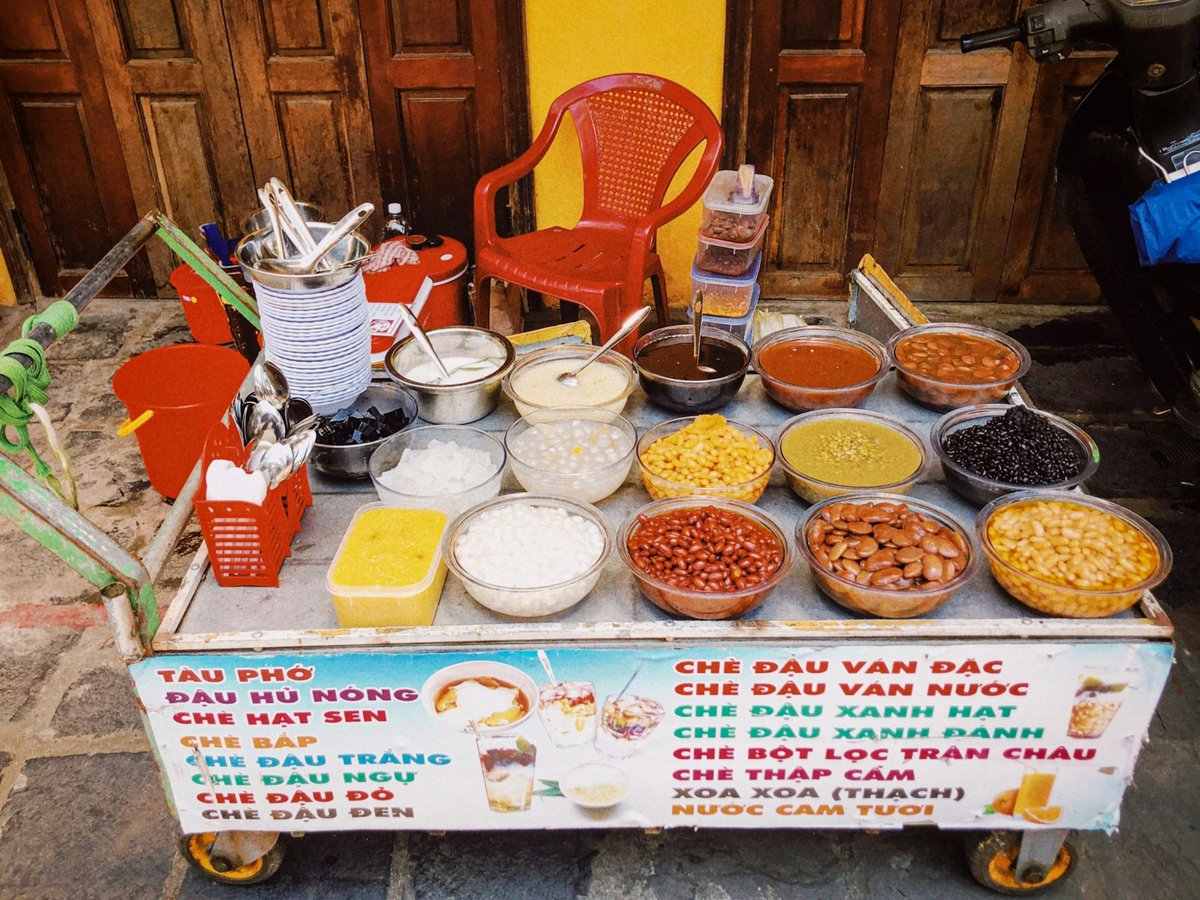
Crushed roasted peanuts are a finishing garnish across Vietnamese cooking, and they are added at the last moment by hand, which means the dish arrives with them unless the kitchen was told. The common places are the dipping sauce for fresh spring rolls, which is often hoisin thickened with ground peanuts; grilled-pork noodle bowls; green papaya and other salads; sticky rice sold for breakfast with a peanut-sesame sprinkle; and the sweet dessert soups.
Peanut oil is not the standard cooking oil, but the garnish is standard.
Peanuts are usually visible, which is the mercy. A bowl can be inspected and a garnish declined. The sauce is the trap, because the peanut is ground into it.
Dishes that are usually safe from peanuts
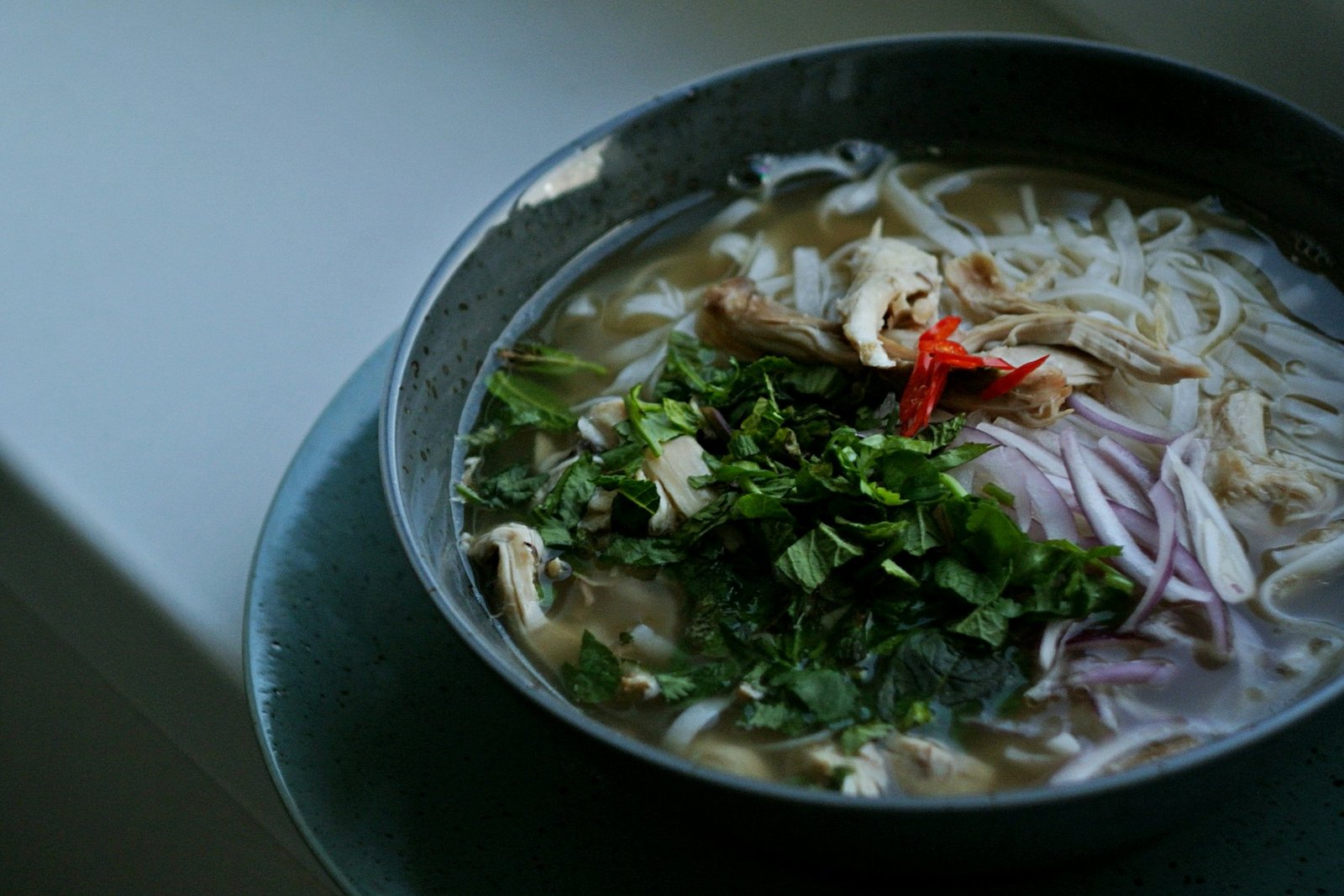
Pho and most clear noodle soups, grilled meats and fish without the sauce, steamed rice dishes, and the baguette sandwiches, which carry pâté and pickles but not nuts. "Usually" is doing work in that sentence; ask every time.
Where shellfish hides
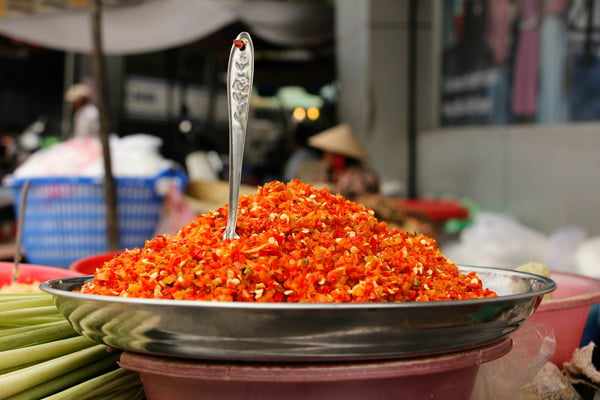
Shrimp is the visible shellfish and shrimp paste is the invisible one. Fermented shrimp paste goes into the broth of the central spicy beef noodle soup, into dipping sauces for fried tofu and boiled pork, into some stir-fried greens, and into a range of southern sauces. Fish sauce itself is made from fish, not shellfish, and is a separate allergen question; most shellfish allergies are to crustaceans, and fish sauce is anchovy.
Dried shrimp is sprinkled into salads, sticky rice and some soups the way peanuts are.
The crepe-like rice pancake is filled with shrimp; the fresh spring roll contains shrimp as standard; many "pork" dishes include shrimp as a second protein. The hiding places are the sauces and the broths, which are made in advance and cannot be altered at the table.
Cross-contamination
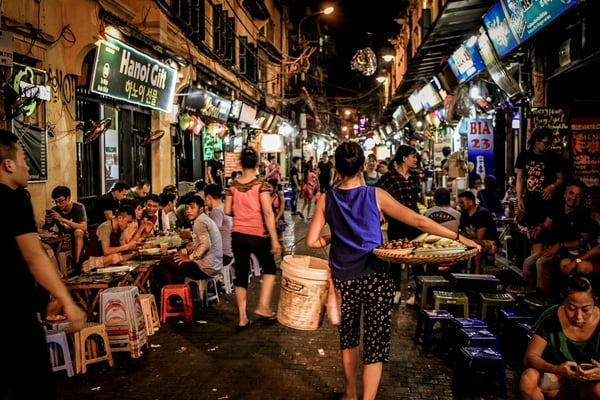
A street cart with one wok, one chopping board and one pair of tongs cannot keep shellfish away from your dish, and will not pretend to. A restaurant with a kitchen can, when told. For a severe allergy that is the dividing line: carts are for dishes that never contain the allergen and are cooked only in water, and restaurants are for everything else.
How to eat well anyway
The strategy that works is to settle on a short list of dishes you have confirmed safe and eat them in different places, rather than ordering new things in new places. Pho, grilled meats, rice plates and the bread sandwiches cover most of a trip for a peanut allergy.
For a shellfish allergy, lean north: northern cooking uses shrimp paste less than the centre and south, and the pho-and-grilled-pork repertoire there is largely shellfish-free, while Hue's cuisine is the hardest for a crustacean allergy in the country.
Hotel breakfasts, cooking classes and food tours are useful because you can brief one person in advance. Tell a food tour operator at booking; the good ones reroute the evening.
Vegetarian restaurants
Buddhist vegetarian restaurants, signed "chay", cook without fish, shellfish or shrimp paste by definition, and they exist in every town. For a shellfish allergy they are the easy option on a tired night. Peanuts still appear in them as a garnish, so the card still applies.
What to carry and where to go
Bring your own epinephrine auto-injectors for the whole trip, more than one, with the prescription and a doctor's letter for customs and airport security. Do not count on buying them in Vietnam. Keep antihistamines on you. In an emergency, call 113 for traffic police, 115 for an ambulance, or go straight to an international clinic.
In Hanoi, a government-published list names Family Medical Practice, International SOS and Raffles Medical as English-speaking clinics with emergency medicine, and the same groups operate in Ho Chi Minh City and Da Nang; know the nearest one in each city before you need it.
Travel insurance covers an allergic reaction as a medical emergency; check that the policy does not exclude a pre-existing condition you did not declare, and declare it.
Keep planning
Not sure how it all fits together?
Pick your trip length and we'll route a real day-by-day plan.