Dog, Balut and Field Rat: The Menu Words to Know Before You Order
Nobody is going to serve you dog meat by accident. A handful of dishes do surprise visitors, and knowing their names in Vietnamese is the whole of the precaution.
Editorial Written and fact-checked for American travelers
Vietnam has a short list of dishes that American visitors are nervous about, and a long list of articles that treat them as a dare. The useful version is simpler. These dishes are real, they are mostly a specialist taste rather than everyday food, and they are not hidden in the things you will actually order. The precaution is to recognise a few words on a sign or a menu, and to know which of them are a matter of squeamishness and which are a matter of health.
The words, in one place
The Vietnamese menu words that most often surprise visitors are: thịt chó (dog meat), thịt mèo (cat meat), hột vịt lộn or trứng vịt lộn (balut, a fertilised duck egg), chuột đồng (field rat), rắn (snake), tiết canh (raw blood pudding), and the group of insect and larva dishes such as dế (crickets), nhộng (silkworm pupae) and đuông dừa (coconut worms).
Add thịt dê (goat), ếch (frog) and ốc (snails), which surprise some people and are ordinary food here, and you have the whole vocabulary.
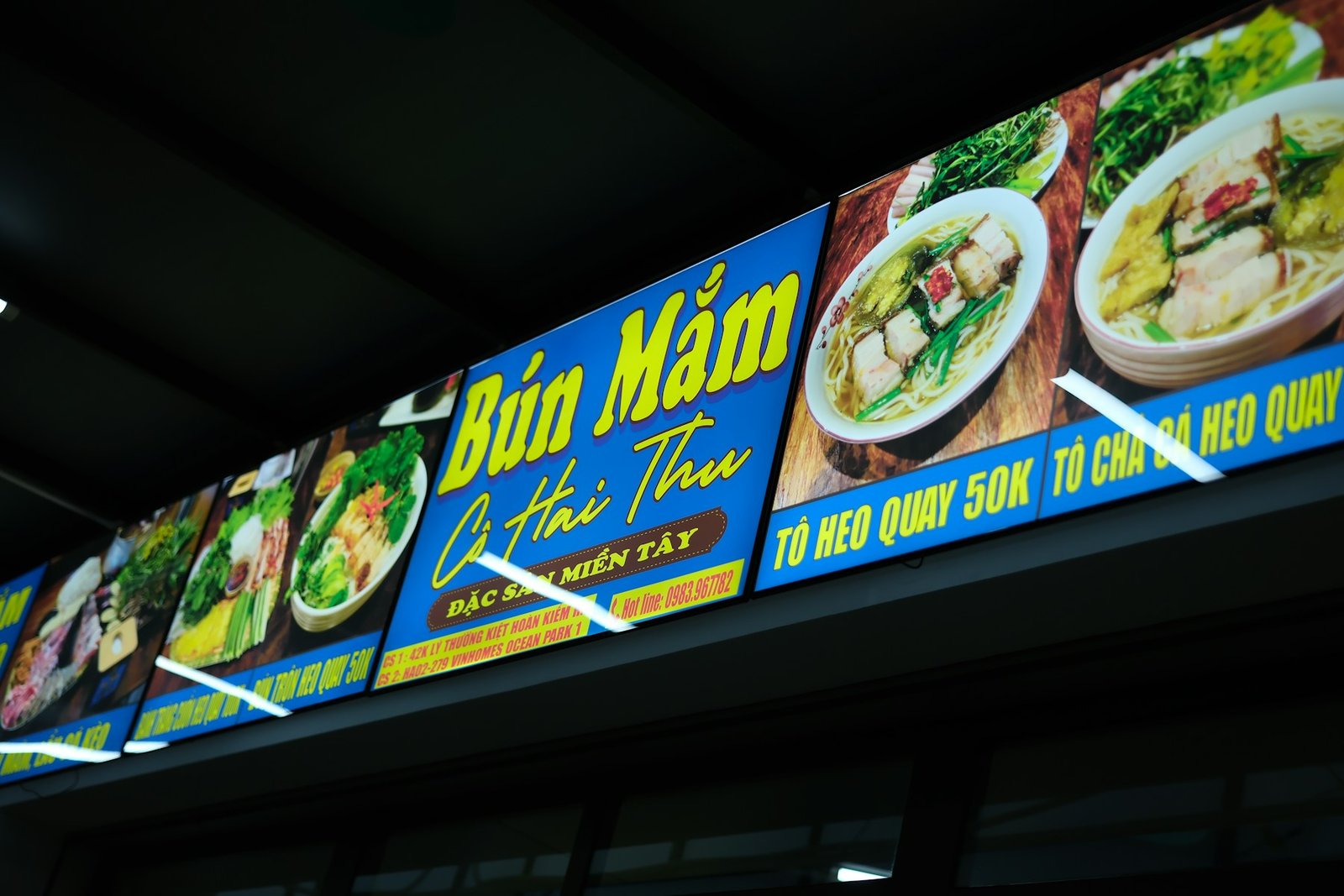
Signs are the main place you will meet these words, because the specialist restaurants advertise their speciality in large letters. A menu in a mixed restaurant lists the ordinary dishes first and the specialities, if any, at the end.
The euphemism to know
Dog restaurants often do not write thịt chó on the sign. The common euphemism is cầy tơ, and a sign reading that is a dog-meat restaurant. If you see it, you know what the place is; if you do not, nothing on an ordinary menu is dog.
Dog and cat
Dog meat is eaten in Vietnam, mostly in the north and traditionally at the end of the lunar month, in specialist restaurants with their own clientele, and it has been in decline for years under pressure from animal-welfare campaigns, younger Vietnamese attitudes and public-health concern about rabies and stolen pets. A tourist eats it only by walking into a restaurant that sells it and ordering it.
It does not appear in pho, in a rice plate or in a banh mi.
Cat is rarer still and the same logic applies. The reason to know the words is not to avoid being tricked, which does not happen, but to understand what the restaurant with the big sign and the cages outside is, so that you can walk on without a scene.
Your feelings about it
Many Vietnamese share them. It is a divided question inside the country, not a national custom you are being asked to respect, and declining it needs no explanation.
Balut
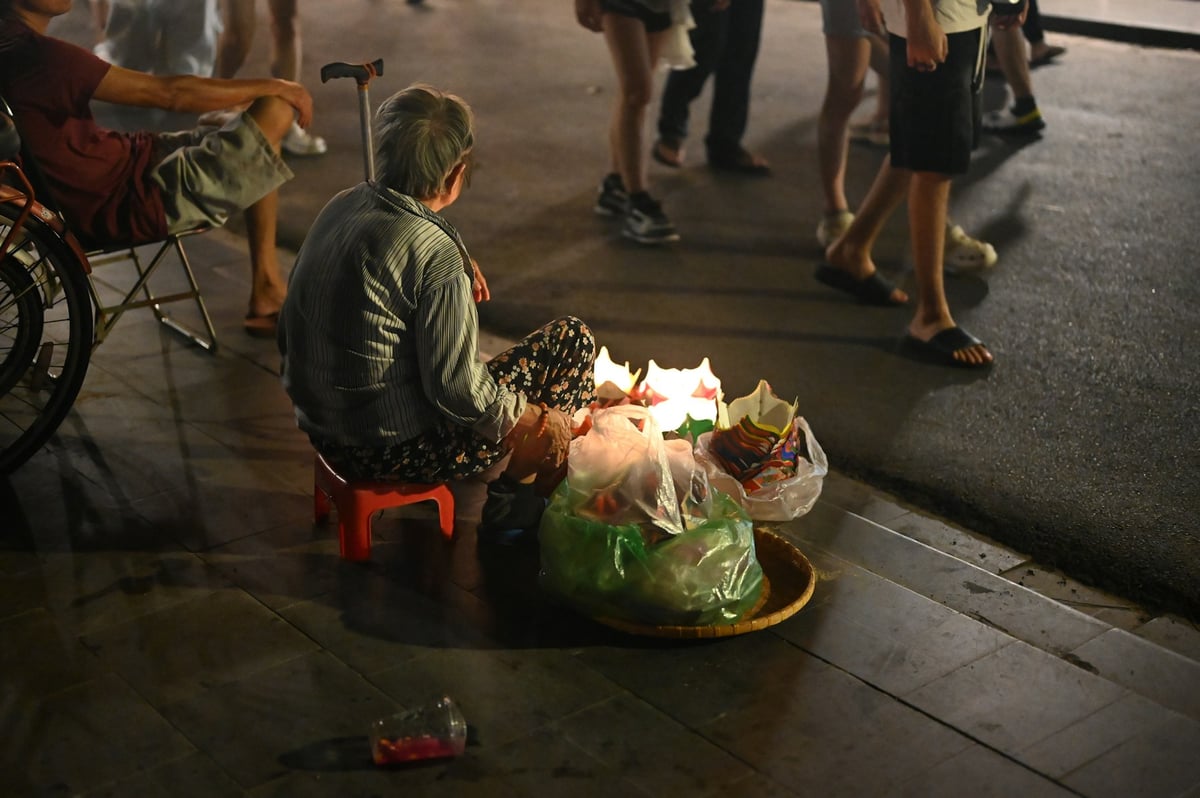
Hột vịt lộn is a duck egg incubated for two to three weeks and then boiled, eaten from the shell with salt, lime, chilli and a sharp herb, usually in the evening with beer. It is a street snack across Southeast Asia, famous in the Philippines, and in Vietnam it is sold from stalls that offer nothing else, often lit by a single bulb with a tray of eggs and a pile of herbs.
It tastes like a rich egg with a texture most Westerners find difficult because of what they can see.
It is a health non-issue when freshly boiled, and it is a matter of nerve rather than risk. The word on the sign is the whole warning: an egg stall selling vịt lộn is selling this and not a hard-boiled egg.
Field rat and snake
Chuột đồng is the rice-field rat of the Mekong Delta, trapped in the paddies after the harvest, grilled or roasted, and regarded locally as clean country food quite distinct from the urban animal. It appears on menus in the delta and in southern specialist restaurants, labelled plainly, and nowhere else.
Rắn is snake, served in the north and around Hanoi in restaurants that make a ritual of it: the snake is killed at the table, the blood and bile are mixed into rice liquor for the guests, and the meat is cooked in several dishes.
Neither reaches an ordinary table. The snake restaurants in particular are sold to visitors as an experience, and the thing to know before you accept an invitation is what the ritual involves and that the snakes used are, in many cases, protected species.
Snake wine
Rượu rắn is rice liquor with a snake, a scorpion or both steeped in the bottle, sold as a tonic and as a souvenir. It is a souvenir that US customs is likely to seize, because the animals in it are often protected species, and it is also an unregulated spirit, with the methanol risk that attaches to any home-distilled liquor.
The one that is a health question
Tiết canh is the dish on this list to decline on medical grounds rather than taste. It is fresh animal blood, usually pig or duck, set into a pudding with herbs and peanuts and eaten raw. Raw blood carries whatever the animal carried, and the dish has been linked in Vietnam to serious bacterial infections and to bird flu in the years when it circulated. Vietnamese health advice discourages it for Vietnamese people.
Visitors have no reason at all to eat it.
Offal and the ordinary
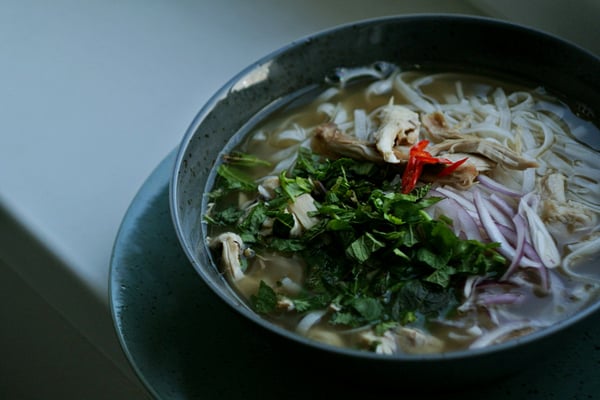
Lòng is offal, and a bowl of pho or a rice-noodle soup may offer it as an option, cooked. Óc is brain. Both are ordinary cooked food. Being squeamish about them is a preference, and declining them is as simple as pointing at the plain beef instead.
How to order without worry
Ordinary Vietnamese restaurants and street stalls sell pork, chicken, beef, fish and vegetables, and they say so. If you can recognise gà (chicken), bò (beef), heo or lợn (pork), cá (fish) and rau (vegetables), you can order anywhere, and the specialist words above will never appear in front of you unless you walk into the specialist's door. The fear of being served something unknowable is the one thing on this list that has no basis.
The food is labelled, the sellers are proud of it, and the only way to eat dog in Vietnam is on purpose.
Keep planning
Not sure how it all fits together?
Pick your trip length and we'll route a real day-by-day plan.