Almost everyone who goes to Sapa walks in the Muong Hoa valley. The decision that actually shapes the experience is whether you come back up the hill to a hotel in the evening or stay down in a village. They cost similar amounts and produce quite different trips.
The day trek
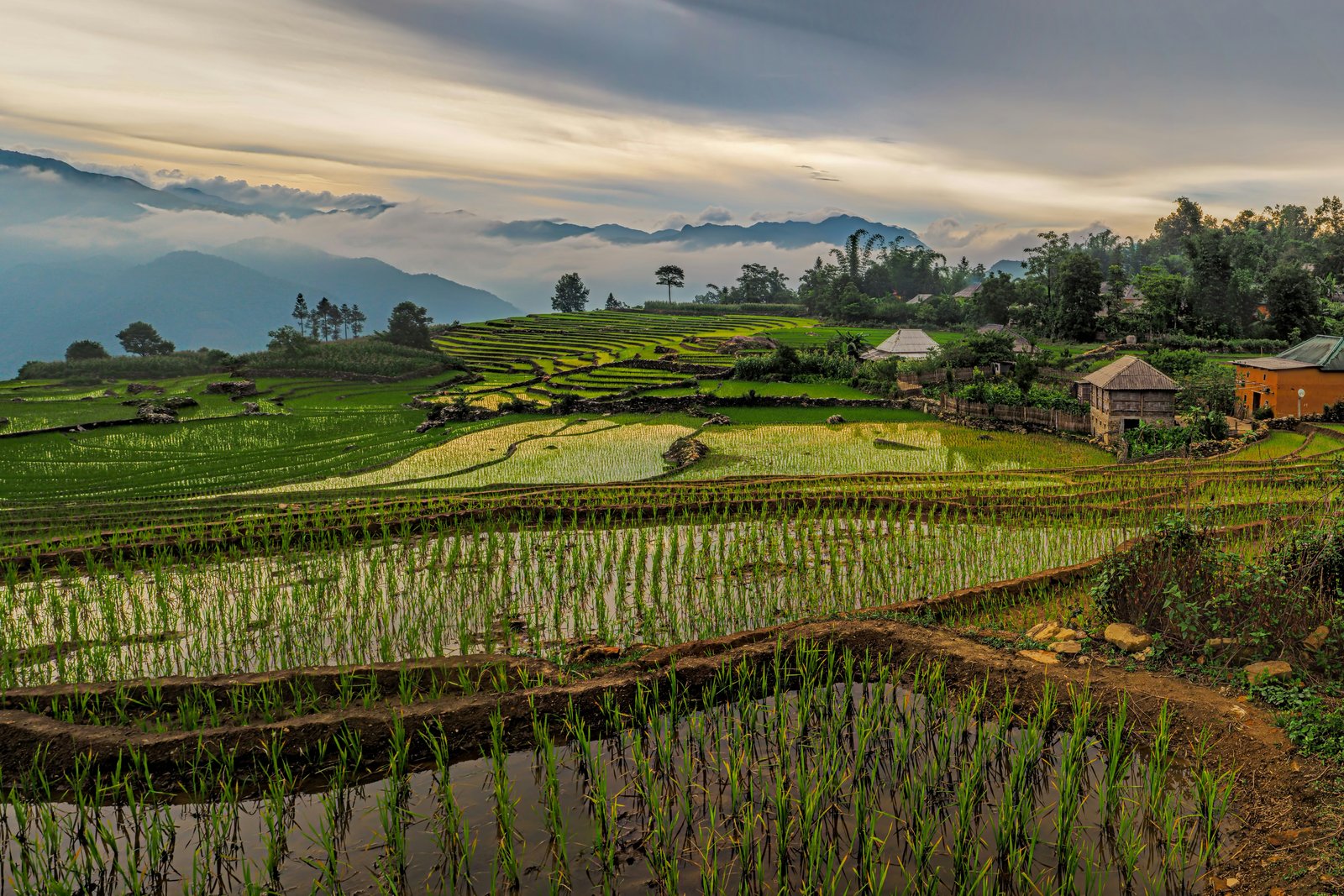
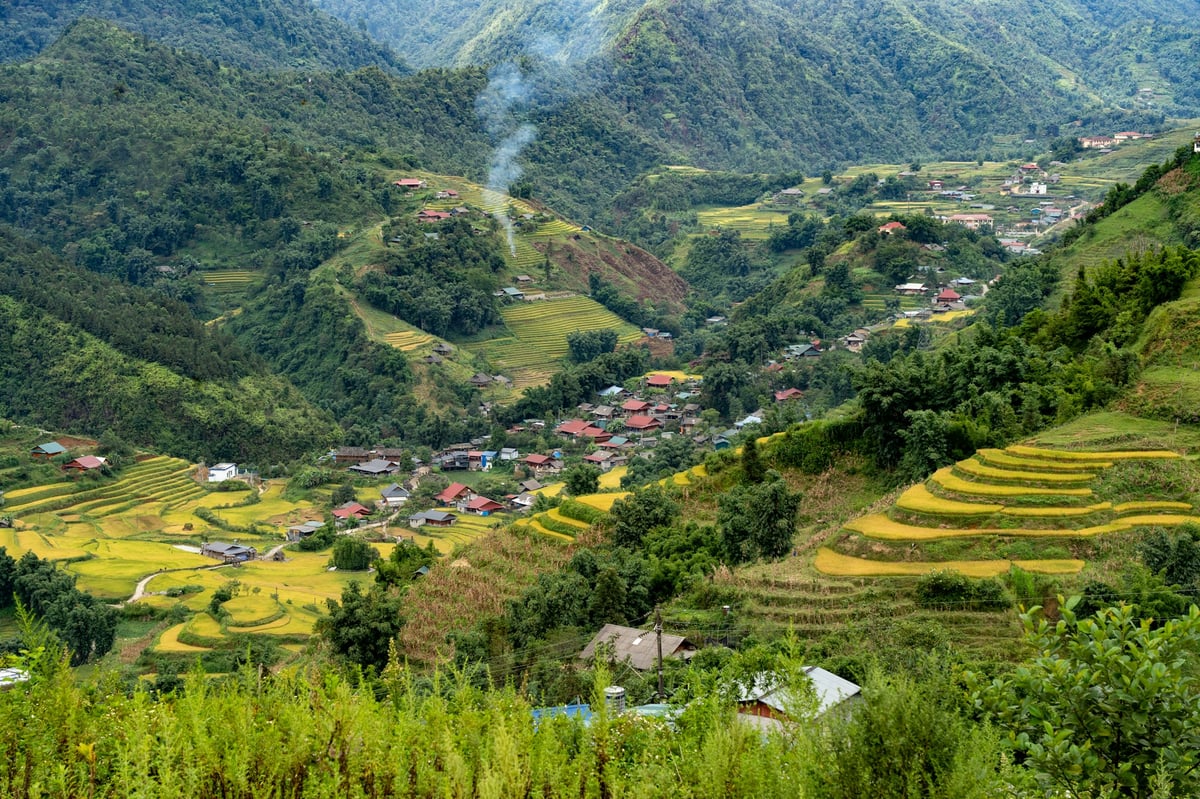
You leave Sapa town in the morning, walk down through the terraces — usually by way of Lao Chai and Ta Van — have lunch somewhere in the valley, and return by road in the afternoon. Five or six hours of walking, most of it downhill, with the views that brought you.
It suits a tight schedule, anyone who would rather sleep in a hotel with reliable hot water, and travellers who have a night train or a long drive the next day. You see the landscape properly. What you miss is the valley once the day groups have gone.
The overnight homestay
The same walk, but you stop in a village and stay with a family — usually a Hmong or Dzao household with a few guest beds, a shared dinner and rice wine. The next morning you walk out through a different route.
The difference people describe afterwards is the evening and the early morning: the valley empties, the mist comes down and lifts, and you are in it rather than looking at it from a hotel balcony above. The trade is basic facilities, variable bedding and a bathroom that may be outside.
What a homestay is actually like
At the simpler end, expect a mattress on a raised platform in a shared room, mosquito nets, a thin blanket and no heating — which matters a great deal between December and February, when the valley is genuinely cold. Dinner is often eaten communally with the household, and rice wine is a common part of the hospitality.
Standards vary widely between households and between operators. Some are essentially small guesthouses with private rooms; some are a corner of a family home. Neither is wrong, but they are different products sold under the same word, so ask which one you are booking.
The part worth thinking about
Trekking in Sapa has an economic layer that most destinations do not. Many of the guides who approach visitors in town are Hmong women from the valley villages, often working informally, and the walk frequently ends at a family home with textiles for sale. That is a legitimate way for a village to earn from tourism, and it can also tip into sustained pressure that visitors find uncomfortable.
There is no clean answer here, and anyone who tells you there is should be treated carefully. What helps is being clear with yourself in advance about what you will buy and what you will not, and agreeing the guiding fee explicitly before setting off. If you booked through an agency, check whether the guide is already paid before paying again — and if you hired someone directly, settle it with them.
Licensed operators versus independent guides
Agencies in town sell organised treks at a fixed advertised price, generally with a guide, transport and sometimes insurance. Independent local guides are usually cheaper and you pay them directly. The agency route is more predictable and gives you someone to complain to; the independent route is a direct transaction with the person walking with you. Plenty of travellers do one of each.