Street food is a large part of why Vietnam is worth visiting, and avoiding it means missing most of the country's best eating. It also carries a real risk of stomach illness, which is the most common thing that goes wrong on a trip here. Both of those are true, and the sensible approach sits between them.
Start before you travel
The vaccinations are the part you can actually control, and they are decided before you arrive. The CDC's list for Vietnam includes Hepatitis A, Hepatitis B, and typhoid for most travelers, and the scope of each is worth stating precisely: Hepatitis A for unvaccinated travellers aged one and over, Hepatitis B for unvaccinated travellers of all ages, and typhoid for most travellers. Hepatitis A and typhoid are both food- and water-borne, which is the relevant category here.
Talk to a travel clinic as early as you can, because some of these need more than one dose spaced out. A late appointment is still worth making — a clinic can advise on what is useful at short notice — but earlier gives you more options.
How to choose a stall
The principles are the same ones Vietnamese people use, and they are about turnover rather than appearance.
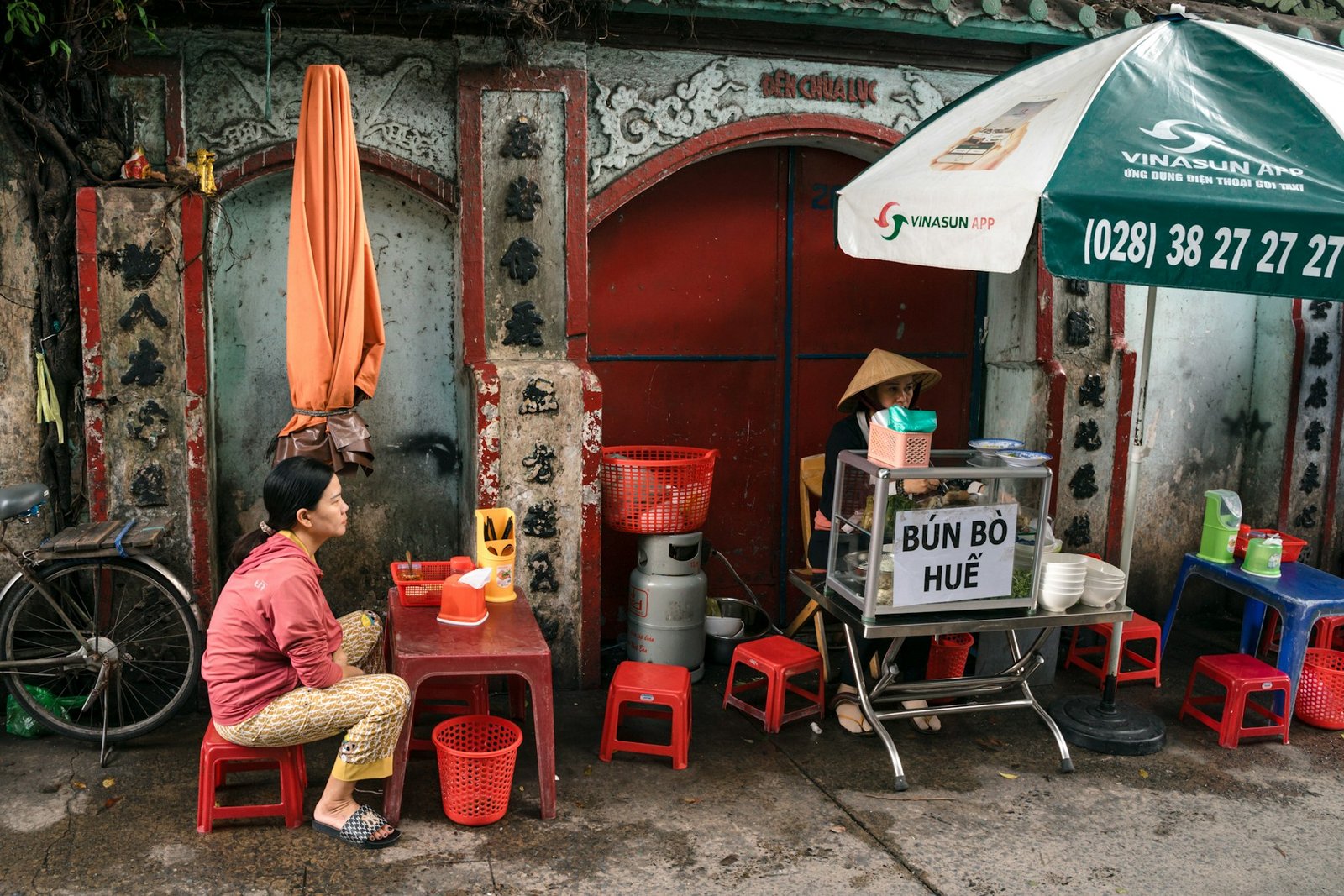
Busy is the most useful indicator. A stall with a queue is selling its stock fast, which makes it less likely that anything has been standing around. It is a clue rather than proof. An empty stall at a busy hour usually has a reason for being empty.
Watch the food being cooked. Grilled, fried and boiled to order, in front of you, is the lowest-risk category. Food that has been cooked and is sitting at room temperature is the highest.
Look at where the raw and the cooked sit. Separate surfaces and separate tongs are a good sign. One board and one pair of tongs for everything is not.
Specialist beats general
A stall that makes one dish all day gets through its ingredients, and the cook has made that dish thousands of times. A cart offering fifteen things is keeping most of them waiting between customers.
Water, ice and salads
Drink bottled or filtered water and check the seal. Tap water is not for drinking anywhere in Vietnam, and that includes brushing your teeth if you want to be careful in the first few days.
Ice is less of a worry than its reputation suggests at established places: commercial ice in Vietnam is generally factory-made from treated water, and the uniform cylinders with a hole through the middle are the industrial kind. Irregular hand-chipped ice is the one to be wary of.
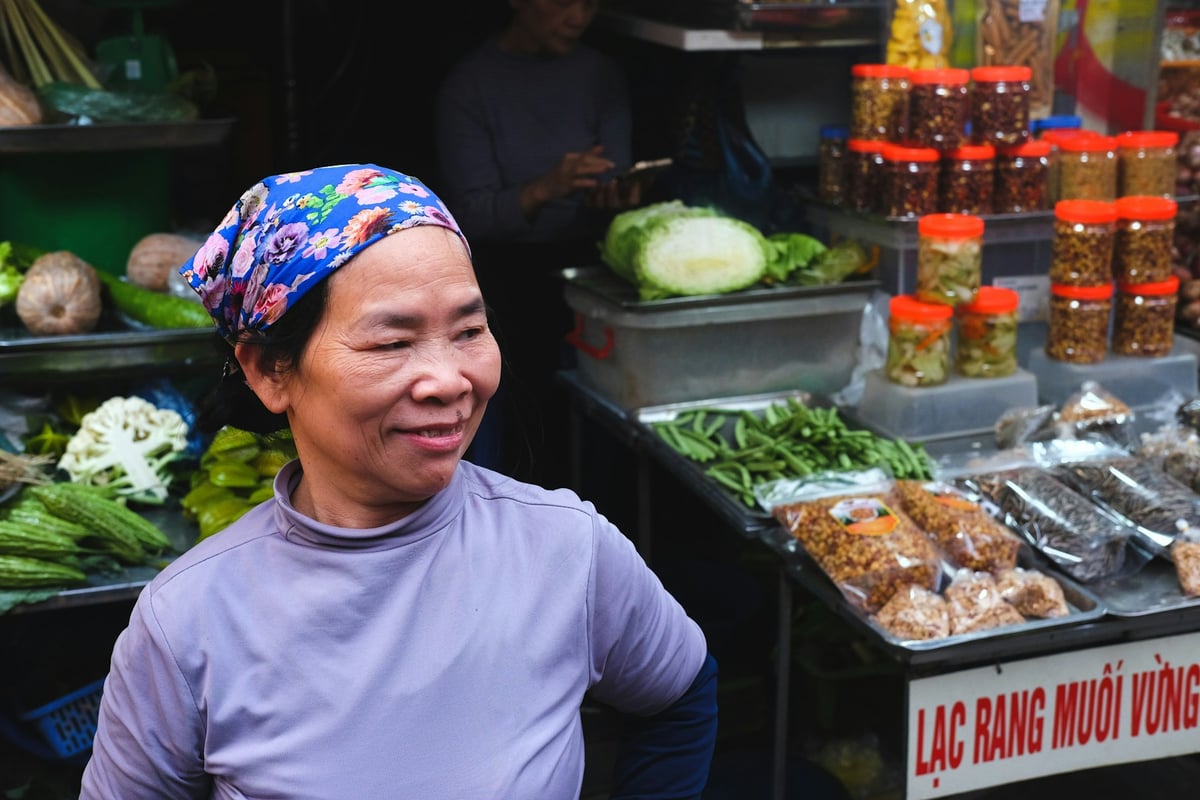
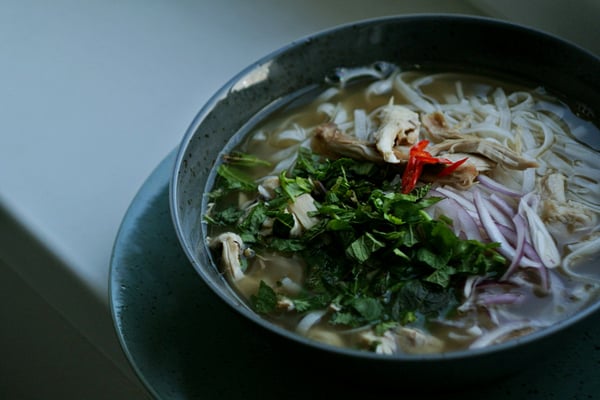
Raw herbs and salads are the genuine grey area, because they are washed in whatever water the stall has. They are also an integral part of most dishes. The CDC's advice is to avoid raw salads. If you want to follow that strictly, you will skip a real part of the cuisine; if you do eat them, higher-turnover places are the lower-risk end of the range rather than a safe one. If your stomach is already unhappy, skip them.
The things most likely to cause trouble
If you want a short list rather than principles: shellfish that has been sitting out, cut fruit prepared hours earlier and kept at room temperature, anything with raw egg or mayonnaise in the heat, and the leftover accompaniments on a table that have clearly been there a while. Rice that has been held warm for a long time is another.
None of these is an absolute rule — a busy stall selling cut fruit all afternoon is turning it over constantly. The underlying question is always the same: how long has this been sitting there?
Easing in
A common approach is to start with the cooked-to-order things in the first day or two — grilled meat, fried rice, noodle soups where the broth is boiling — and add the raw accompaniments after that.
This is about giving yourself a gentler start, not about any one food being dangerous and another safe.
What to carry
Oral rehydration salts are the most useful thing in the bag, and they are cheap and available in any Vietnamese pharmacy. An anti-diarrhoeal is worth having for travel days specifically. Hand sanitiser matters more than most people expect, because you eat with your hands a lot here and many stalls have no washing facilities.
When to see a doctor
Most stomach upsets resolve in a day or two with fluids and rest. Seek medical care for a high fever, blood in the stool, severe or persistent symptoms, or signs of dehydration — and sooner rather than later if you are travelling with children. International clinics operate in the main cities.
Travel insurance
Worth having and worth reading before you need it. Check that it covers medical treatment abroad and, if relevant, evacuation. The international clinics in Hanoi and Ho Chi Minh City are good and expect payment or a direct insurance arrangement at the point of treatment.
What this all adds up to
Vietnamese street food is not a risk to be endured for the sake of the experience. It is a food culture with its own hygiene logic, and the way to eat it well is to read the signals — turnover, cooking to order, separation of raw and cooked — rather than to avoid the category.
Getting vaccinated, drinking bottled water and choosing stalls by turnover are the things within your control, and they lower the risk rather than remove it. Some people get ill anyway, here as anywhere, and carrying rehydration salts is the part of the plan that assumes it.
FAQ
What vaccinations do you need before eating street food in Vietnam?
The vaccinations are the part you can actually control, and they are decided before you arrive. The CDC's list for Vietnam includes Hepatitis A, Hepatitis B, and typhoid for most travelers, and the scope of each is worth stating precisely: Hepatitis A for unvaccinated travellers aged one and over, Hepatitis B for unvaccinated travellers of all ages, and typhoid for most travellers. Hepatitis A and typhoid are both food- and water-borne, which is the relevant category here.
How do you pick a safe street food stall?
The principles are the same ones Vietnamese people use, and they are about turnover rather than appearance.
Can you drink the water or eat the ice in Vietnam?
Drink bottled or filtered water and check the seal. Tap water is not for drinking anywhere in Vietnam, and that includes brushing your teeth if you want to be careful in the first few days.
Keep planning
Not sure how it all fits together?
Pick your trip length and we'll route a real day-by-day plan.