Vietnamese social norms are not difficult for an American to navigate, and visitors are given a wide margin. A handful of things are genuinely noticed, though, and getting them right costs nothing and changes how you are received.
The ones that matter most
Take your shoes off when entering a home, and in temples, homestays and some small shops where it is indicated. A pile of shoes at the door is the usual signal; if you are unsure, watch what the person ahead of you does.
Hand and receive things with both hands, or with the right hand supported at the elbow by the left. Money, business cards, a gift, a passport back from a hotel desk. It is a small gesture and it registers.
Keep your voice down and do not lose your temper in public. Raised voices tend to end a negotiation rather than win it. A smile during a tense exchange is often a way of defusing discomfort rather than mockery — worth knowing, though you cannot read any individual's intent from it.
Heads and feet
Do not touch an adult's head, including a friendly pat. Do not point the soles of your feet at a person, an altar or an image of the Buddha — so when sitting cross-legged in a temple, tuck your feet under rather than stretching them out.
Temples and pagodas
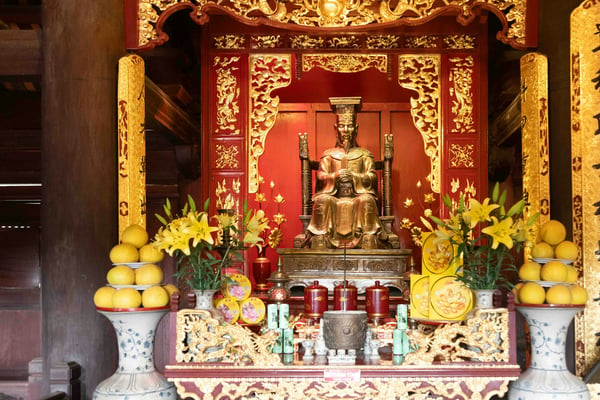
Shoulders and knees covered, shoes off where indicated, hats off inside. Step over a raised threshold rather than on it. Where there is an obvious flow of people around a stupa or shrine, follow it.
Photography is usually fine in the grounds and often discouraged at the main altar or of people praying — look for signs and, when in doubt, do not. The Ho Chi Minh Mausoleum is notably strict, with no photography inside the viewing chamber.
Eating
Wait to be shown where to sit at a family table, and let older people start. Lifting the rice bowl towards you rather than leaning over it is the common practice. Do not stand chopsticks upright in rice: the resemblance to funeral incense is the reason, and it is a taboo people do notice.
Shared dishes are the norm and taking from the communal plate with your own chopsticks is ordinary; some households will provide serving spoons. If you are hosted, trying everything offered matters more than finishing it.
Drinking
Rice wine and beer are social and often insistent, and toasts come round repeatedly — mot hai ba, yo. Declining is acceptable, and declining with a reason, such as an early start, lands better than declining flatly. If you do not drink, saying so clearly at the beginning is easier than fending off each round.
Photographs of people
Ask first, particularly with ethnic minority women in Sapa and Ha Giang, who are photographed constantly and are not always comfortable with it. A gesture at the camera and a questioning look is enough. If someone declines, that is the end of it.
Children are generally photographed freely by visitors and the parents are generally present; asking them is still the courtesy.
Things that are fine
Worth saying, because etiquette lists can make a country sound like a minefield. Eating with your hands where the food calls for it, slurping noodles, sitting on a tiny plastic stool on the pavement, pointing at a menu because you cannot pronounce it, taking photographs of food, leaving food on the plate — none of these cause any difficulty.
Vietnamese hospitality is generous and the tolerance for foreign awkwardness is high. The items on this page are worth knowing because they are noticed, not because getting them wrong causes offence.
The war
Vietnamese people are overwhelmingly warm towards American visitors, and the median citizen was born long after 1975. It is referred to there as the American War, and museums present it from the Vietnamese side without much softening. Read that as a national account of a national experience rather than a comment directed at you.
Most Vietnamese people will not raise it. If it comes up, listening is a better posture than explaining, and nobody expects an American visitor to apologise for anything.
Small things that are noticed
Dress is relaxed in cities and shorts attract no comment, but beachwear stays at the beach — walking into a cafe in a swimsuit reads as poorly there as it would at home. Public displays of affection between couples are more restrained than in the US, particularly outside the big cities.
Age is treated with visible deference. Greeting the oldest person in a room first, or standing when an older person joins a table, is a small act that is immediately registered. Likewise, passing something to an older person with both hands rather than one.
Visiting a home
Bring something small — fruit, sweets, something from your own country. Shoes off at the door. Accept tea when it is offered, even if you only hold it. Wait to be shown where to sit, because seating at a family table is not random.
Bargaining
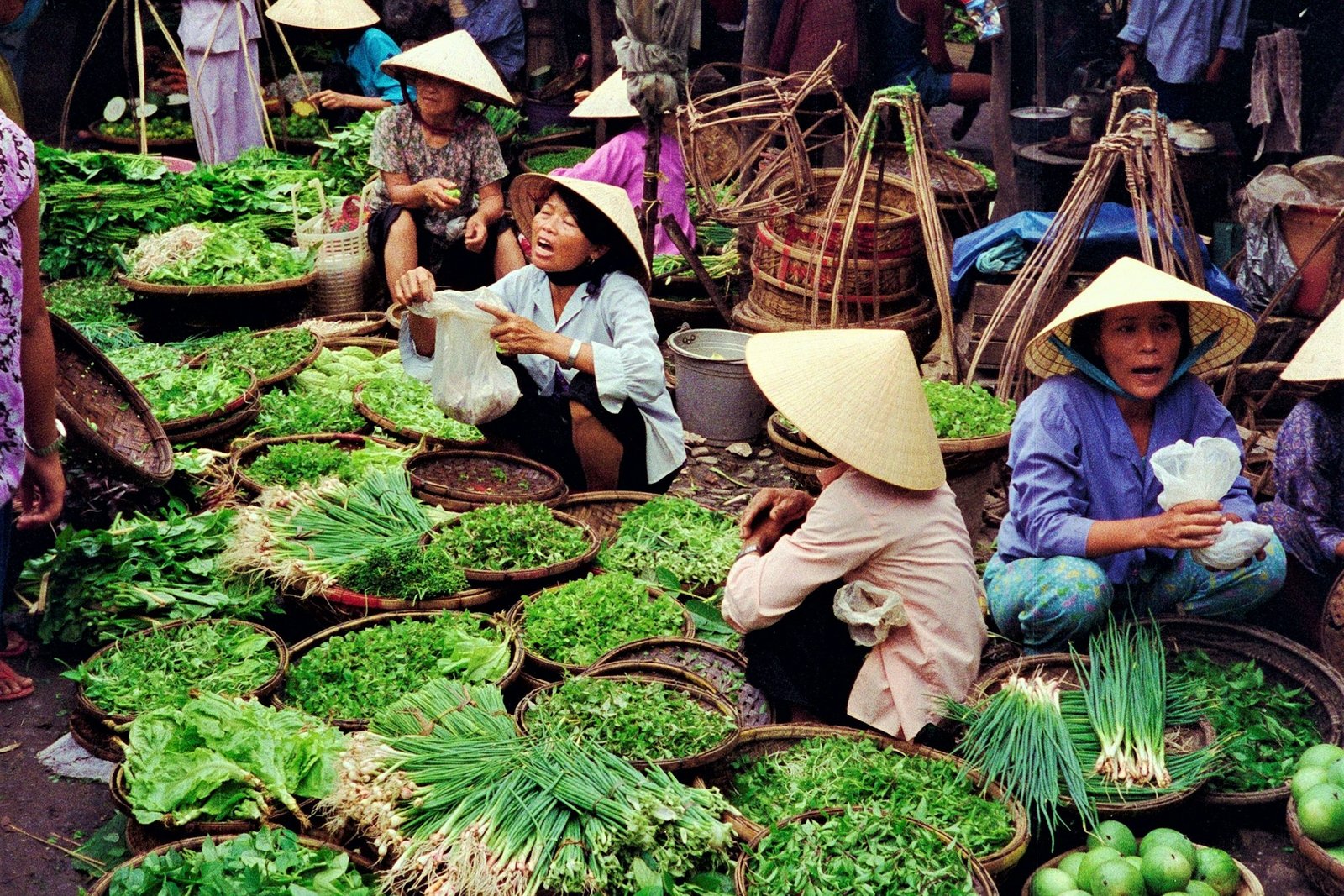
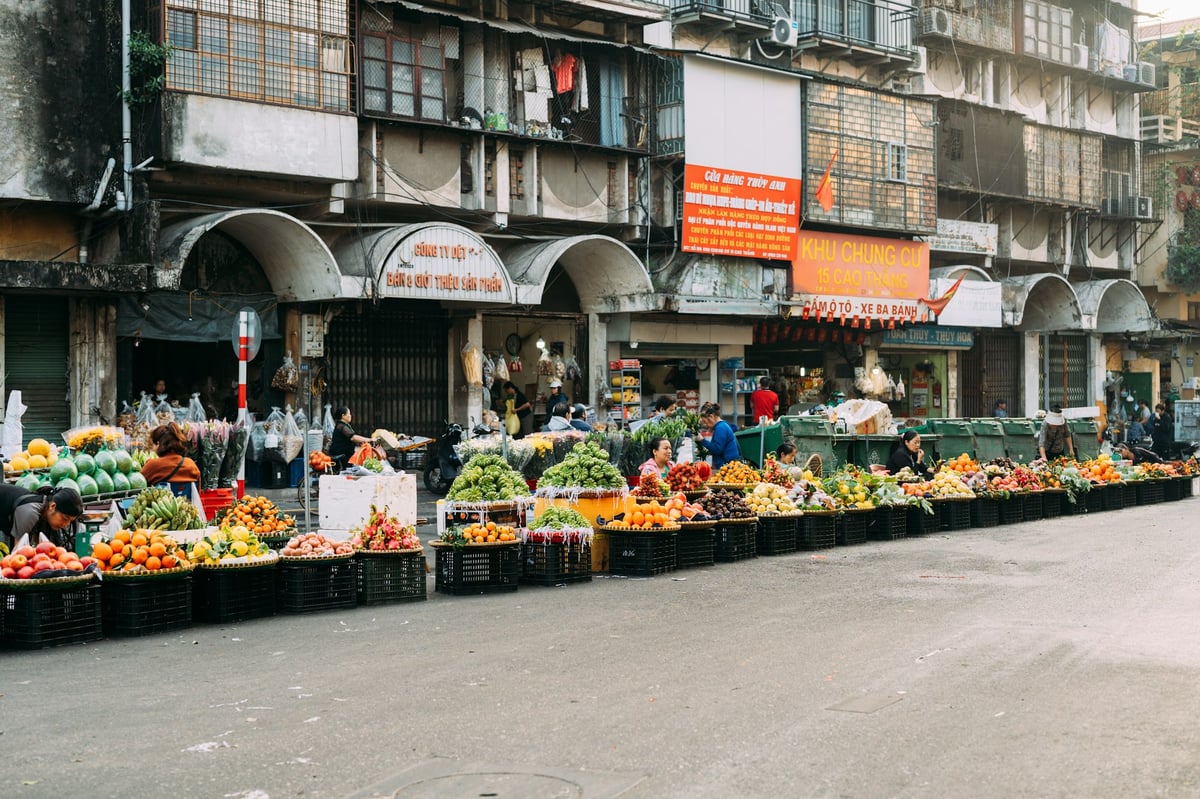
Expected in markets and with cyclos, not in shops with marked prices, restaurants or supermarkets. Do it lightly and with humour, and stop once the price is reasonable rather than grinding for the last few thousand dong — which is often worth less to you than the goodwill.
FAQ
Which Vietnamese customs matter most for visitors?
Take your shoes off when entering a home, and in temples, homestays and some small shops where it is indicated. A pile of shoes at the door is the usual signal; if you are unsure, watch what the person ahead of you does.
How should you dress and behave in a temple?
Shoulders and knees covered, shoes off where indicated, hats off inside. Step over a raised threshold rather than on it. Where there is an obvious flow of people around a stupa or shrine, follow it.
What are the table manners at a Vietnamese meal?
Wait to be shown where to sit at a family table, and let older people start. Lifting the rice bowl towards you rather than leaning over it is the common practice. Do not stand chopsticks upright in rice: the resemblance to funeral incense is the reason, and it is a taboo people do notice.
Keep planning
Not sure how it all fits together?
Pick your trip length and we'll route a real day-by-day plan.