Hanoi · Ha Long Bay · Hue · Hoi An · Da Nang · Ho Chi Minh City · Mekong Delta · Phu Quoc · Sapa
hello@vietnamforamericans.com
Vietnam for AmericansFor American travelers

Vietnam's other holidays: what closes and what sells out around April 30, May 1 and September 2

Beyond Tet, Vietnam's April 30, May 1, September 2 and Hung Kings holidays close offices and banks but little a visitor needs, while trains, flights and beach hotels fill up.

Editorial
Written and fact-checked for American travelers
·7 min read·
Vietnam's other holidays: what closes and what sells out around April 30, May 1 and September 2
On this page
  1. 01Which public holidays Vietnam has besides Tet
  2. 02What closes on Vietnam's public holidays
  3. 03April 30 and May 1: the long weekend that fills the coast
  4. 04September 2: National Day in Hanoi and on the road
  5. 05Trains, flights and buses on Vietnam's short holidays
  6. 06Hung Kings' Commemoration Day: the holiday that moves
  7. 07Visa paperwork and Vietnam's holidays
  8. 08The bigger timing question these holidays belong to

Affiliate disclosure: this guide contains affiliate links. If you book through them we may earn a commission, at no extra cost to you.

Most Americans planning Vietnam hear about Tet and nothing else. Tet is the big one, but Vietnam has four other public holidays. Three of them fall within a few months of each other: Victory Day on April 30, International Labour Day on May 1, and National Day on September 2. The fourth, Hung Kings' Commemoration Day, moves every year because it follows the lunar calendar.

The short answer for a visitor: on these days very little that you came to see actually closes. Government offices and banks shut. Shops, restaurants, hotels, markets and most sights keep working. The real change is that the whole country travels at once, so trains, domestic flights, buses and beach hotels fill up, and you are competing for them with Vietnamese families.

Which public holidays Vietnam has besides Tet

Vietnam's public holidays besides Tet are New Year's Day on January 1, Hung Kings' Commemoration Day on the 10th day of the third lunar month, Victory Day on April 30, International Labour Day on May 1, and National Day on September 2, which the Labour Code makes a two-day holiday together with the day before or after it. Holidays that land on a weekend move to the next working day.

That last rule matters more than the dates. April 30 and May 1 sit next to each other, so the two together make a short break even before any weekend gets involved. In some years the government also swaps a working day to join them up with a weekend, turning two days off into four or five. National Day works the same way. The Prime Minister fixes the exact National Day days each year, and the announcement often comes only a few weeks or months ahead. If your dates are close to one of these holidays, wait for the official notice for that year before you lock in transport. Vietnamese news sites report it as soon as it comes out.

For the cultural side of these dates, including the temple festivals that don't count as public holidays, see the festivals calendar beyond Tet. This page covers the practical side: what shuts and what fills up.

What closes on Vietnam's public holidays

On Vietnam's public holidays the places that close are the ones a tourist rarely needs: government offices, the immigration department, banks, most company offices and schools. Hotels, restaurants, cafés, street-food stalls, shops, markets, pagodas and most tourist sights stay open, and many get busier. ATMs keep working. The one thing you cannot do on a holiday is deal with the state.

That last point catches some travelers out. If you have to visit an immigration office, sort out a bank problem, or get any official paperwork stamped, a holiday adds a dead day. The National Day break adds two or more. Visa paperwork is the clearest case, and it's covered below.

Museums vary. Many state museums and monuments open on holidays because that is when Vietnamese families visit, but opening rules are set site by site, and some places change their hours for national celebrations. If one site is the reason for your day, check its own notice for that week. Don't assume it follows a national rule, because there isn't one.

Small family businesses are the exception to "everything stays open". A favorite noodle shop or a tailor in Hoi An may close for a day or two over the long weekends while the owners travel. That is far less common than at Tet, when closures last much longer, but it happens.

April 30 and May 1: the long weekend that fills the coast

April 30 and May 1 together form Vietnam's biggest domestic travel weekend after Tet. Victory Day and Labour Day are back to back, the government often stretches them into a four- or five-day break, and Vietnamese families head for the beaches and the cool hills. Da Nang, Nha Trang, Phu Quoc, Vung Tau, Sapa and Da Lat fill first, and room rates rise accordingly.
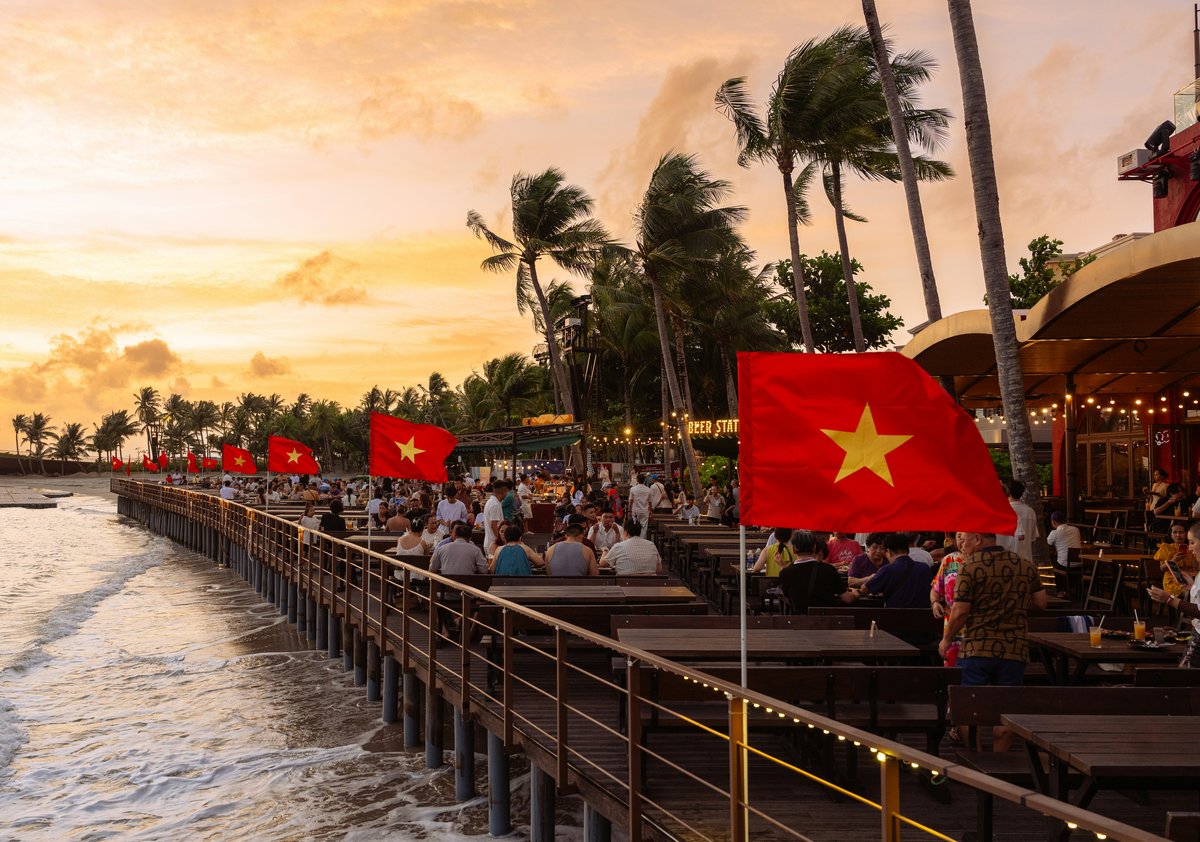
A seafront crowded with Vietnamese holidaymakers, the beach packed with swimmers and umbrellas

For an American itinerary this matters in two ways. First, a beach stay planned for that week needs booking well ahead, because the cheaper and better-placed rooms go first. Second, getting between cities is harder. Overnight trains, the main north–south flights and long-distance buses are busiest on the first day of the break and again on the last day, when everyone heads home.

The fix is to travel against the flow. Be at the beach before the break starts and leave the day before it ends, or spend the long weekend in Hanoi or Ho Chi Minh City, which partly empty out as residents leave. Ho Chi Minh City also marks April 30 as the anniversary of the war's end, and the center around Reunification Palace is the place to see it.
→ Compare Da Nang hotels by area

September 2: National Day in Hanoi and on the road

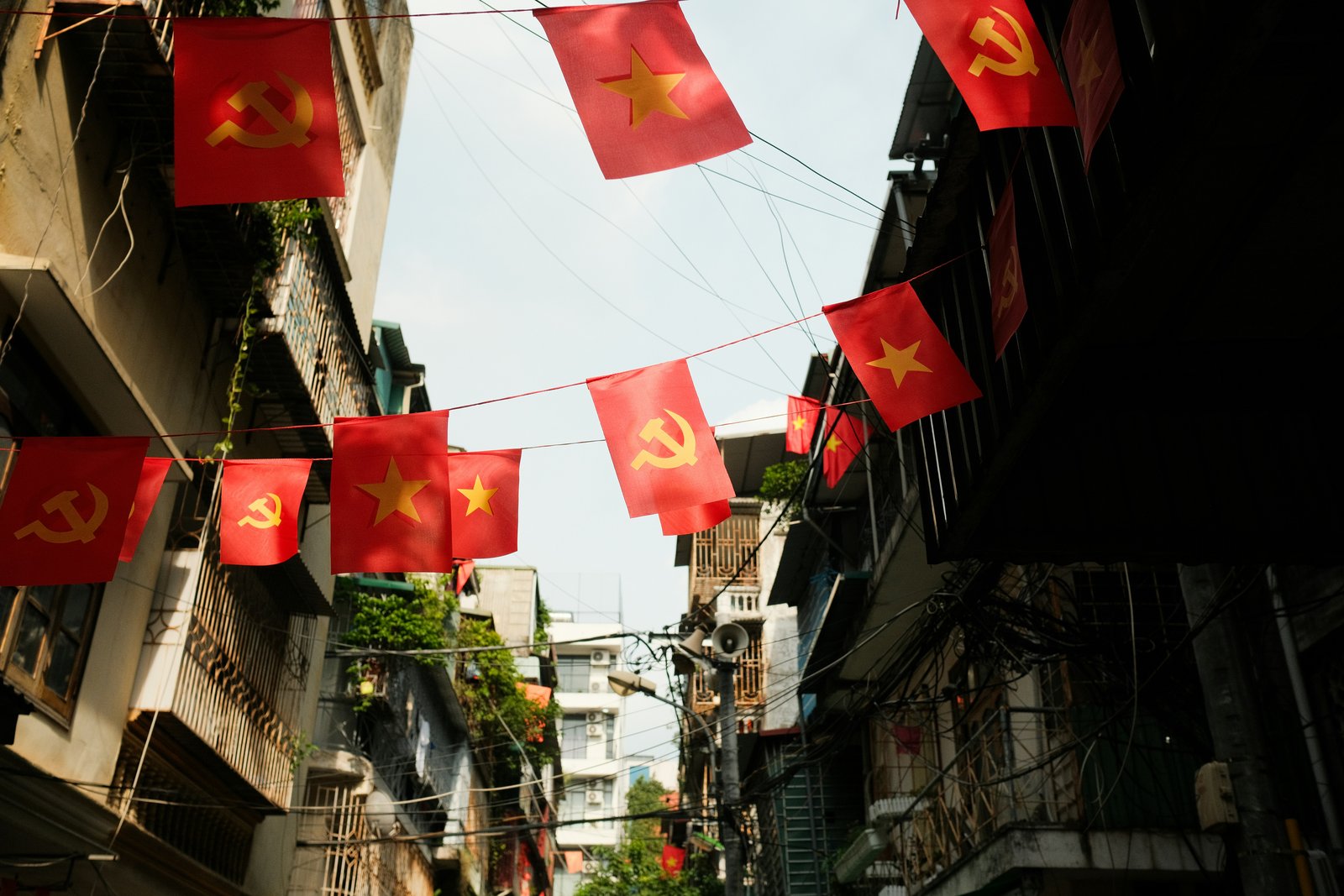
September 2 is National Day in Vietnam, marking the 1945 declaration of independence read in Hanoi's Ba Dinh Square. By law it is a two-day public holiday, the second day fixed each year. Offices and banks close, flags go up on every street, and Vietnamese travel in large numbers, especially when the days join a weekend.

Hanoi is the center of it. The streets around Ba Dinh Square and the Mausoleum get very crowded, and in major anniversary years the city closes roads for official ceremonies and parades. If you are in Hanoi that week, expect traffic diversions near Ba Dinh and the Old Quarter, and give yourself extra time to reach the airport or the train station.

Early September also brings weather problems in parts of the country. It is still typhoon season on the north and central coast, so a holiday trip to Ha Long Bay can run into a weather cancellation as well as the crowds. Treat the National Day weekend in Ha Long or on the central coast as two separate risks.

→ Compare Hanoi hotels by neighborhood

Trains, flights and buses on Vietnam's short holidays

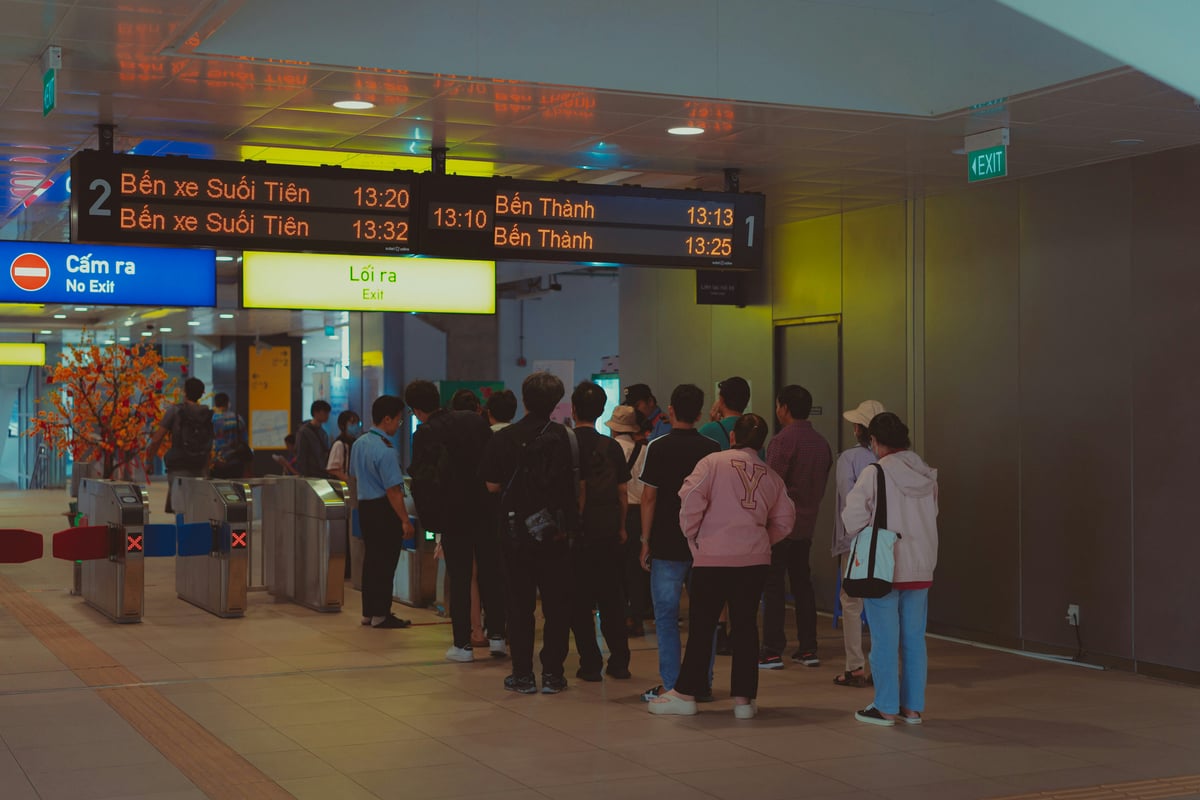
Vietnam's trains, domestic flights and buses keep running on every public holiday. The problem is seats, not timetables. Vietnam Railways and the domestic airlines add services around the long weekends, but demand rises faster, so the departures on the first day out and the last day back are the ones that sell out. The days in between are usually much easier.

A crowded Vietnamese departure hall with travelers and luggage queuing at holiday time

In practice: book any overnight train or north–south flight that touches the April 30 or September 2 breaks as soon as you know your dates. Expect a sleeper berth or a cheap fare on the peak day to be gone if you leave it late. Grab and taxis keep working in the cities, but airport traffic on the first afternoon of a break can be slow.

Hung Kings' Commemoration Day: the holiday that moves

Hung Kings' Commemoration Day falls on the 10th day of the third lunar month, so its Western date changes every year, usually landing in April. It is a one-day public holiday honoring Vietnam's legendary founding kings. The main ceremony is at the Hung Temple in Phu Tho province, north-west of Hanoi, and it draws very large crowds.

For most visitors Hung Kings Day is a minor event: one day of closed offices, sometimes joined to a weekend, which brings a small rush of domestic travel. In some years it lands close enough to April 30 to make late April one long stretch of holidays. Look up the year's date before you book anything for late April.

Visa paperwork and Vietnam's holidays

Vietnam's e-visa is processed by the Immigration Department, which closes on public holidays, so a holiday stops the clock. Processing usually takes 3 to 5 working days, and holidays are not working days. An application sent just before the April 30–May 1 break or the National Day break can take a week or more longer than you expect.

Apply well before any trip that starts near one of these dates, and longer still before Tet. The step-by-step process is in our e-visa application guide.

The bigger timing question these holidays belong to

Vietnam's short holidays change your trip only at the edges: a sold-out train, a beach at full price, a day when the bank stays shut. Plan around the travel rush, not the closures. Tet works differently. Tet next falls on 6 February 2027, and its closures and travel rush last weeks, not days.

That is why the short holidays are worth knowing even if they never touch your dates. They show the same pattern as Tet on a smaller scale: the timetable stays the same, the seats run out, and the country moves in one direction and then back. Whether to travel through Tet, plan around it, or use the empty days in the middle is a bigger decision. It shapes your route, your flights and where you spend each week. Vietnam, End to End works that decision through together with the season and the route, so the dates and the itinerary fit each other.

Keep planning
Not sure how it all fits together?

Pick your trip length and we'll route a real day-by-day plan.

Build your trip →