Hanoi · Ha Long Bay · Hue · Hoi An · Da Nang · Ho Chi Minh City · Mekong Delta · Phu Quoc · Sapa
Vietnam for AmericansFor American travelers

Vietnam Festivals Calendar Beyond Tet

Tet dominates the calendar, but a dozen other dates will shape what you see — and two of them will fill every beach and flight you wanted.

Editorial
Written and fact-checked for American travelers
·5 min read·
Vietnam Festivals Calendar Beyond Tet
On this page
  1. 01The two that affect your logistics
  2. 02The lunar dates worth planning around
  3. 03Regional and seasonal events
  4. 04Dates most visitors never hear about
  5. 05How to use the calendar
  6. 06How to use the calendar
  7. 07FAQ

Tet absorbs most of the attention, and reasonably so, but Vietnam's year has a dozen other dates worth knowing. Some are worth planning a trip around. Two of them will close things and fill beaches whether you planned for them or not.

The two that affect your logistics

Reunification Day on 30 April and International Labour Day on 1 May fall together and function as a long domestic holiday. Vietnamese travellers fill coastal resorts, Da Lat and Sapa, prices rise sharply, and domestic flights and hotels book out. The exact length of the break is set by government announcement each year because it depends on how the dates land against the weekend, so check it rather than assuming a fixed span.

National Day on 2 September is the other one, and it follows the same pattern: domestic travel surges and the beaches fill. Its length also depends on how the date falls against the weekend, so check the year rather than assuming it is the shorter of the two. Hanoi holds official ceremonies around Ba Dinh Square, which is worth seeing but closes roads.

Why these matter more than the cultural dates

Festivals mostly add something to a trip. Public holidays subtract capacity from it. If you are choosing between two weeks and the only difference is that one contains a national holiday, that is a real reason to pick the other.
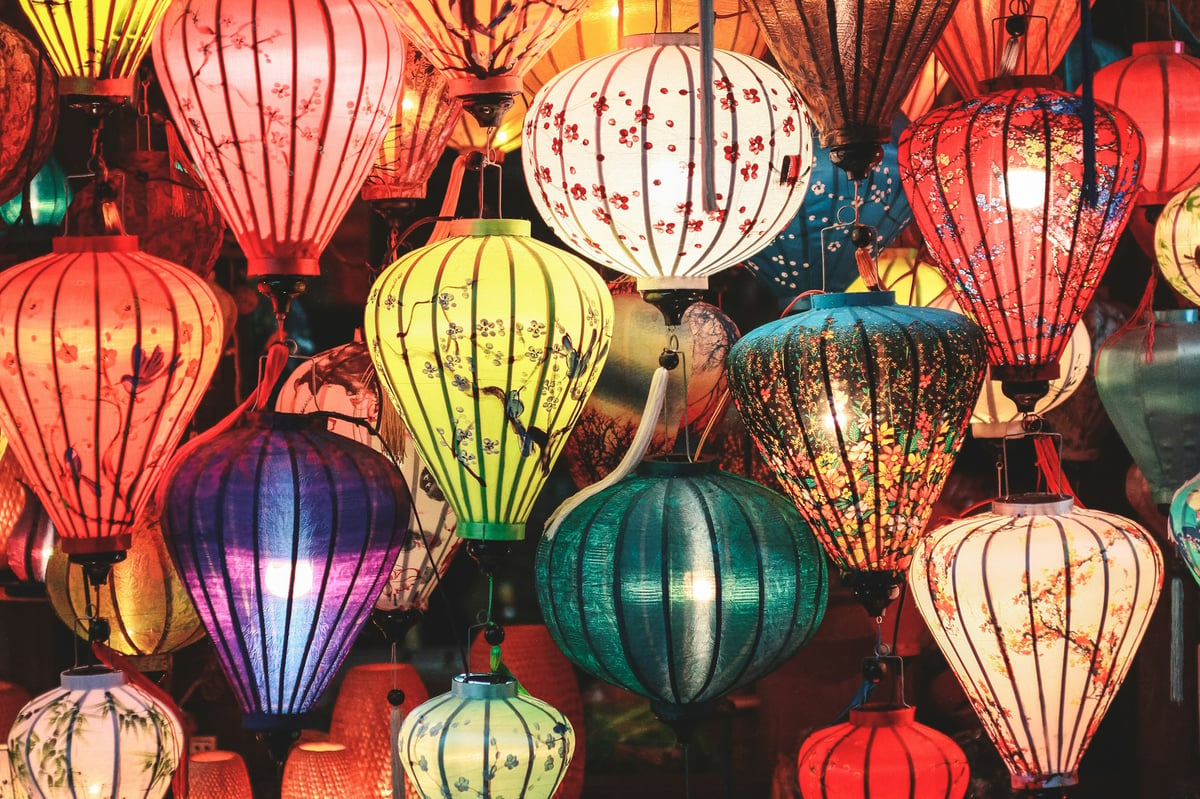
Rows of brightly coloured silk lanterns hanging in a Hoi An lantern shop

The lunar dates worth planning around

Most Vietnamese festivals follow the lunar calendar, so their Gregorian dates shift each year and need checking for your own travel year.

The Perfume Pagoda festival runs from shortly after Tet through to around the third lunar month, drawing very large crowds to the boat-and-cave pilgrimage southwest of Hanoi. Going outside the festival means a calm trip; going during it means seeing something genuinely communal, with the crowds that implies.

Hung Kings Temple Festival, on the tenth day of the third lunar month, is a public holiday honouring Vietnam's legendary founders, centred on Phu Tho province north of Hanoi. It adds a day off to the domestic calendar.

Mid-Autumn Festival, on the fifteenth day of the eighth lunar month, usually September, is the one most visitors enjoy most. Lanterns, mooncakes, lion dances and children in the streets. Hoi An is spectacular for it, and Hanoi's Old Quarter fills with lantern sellers in the run-up.

Hoi An's monthly lantern night

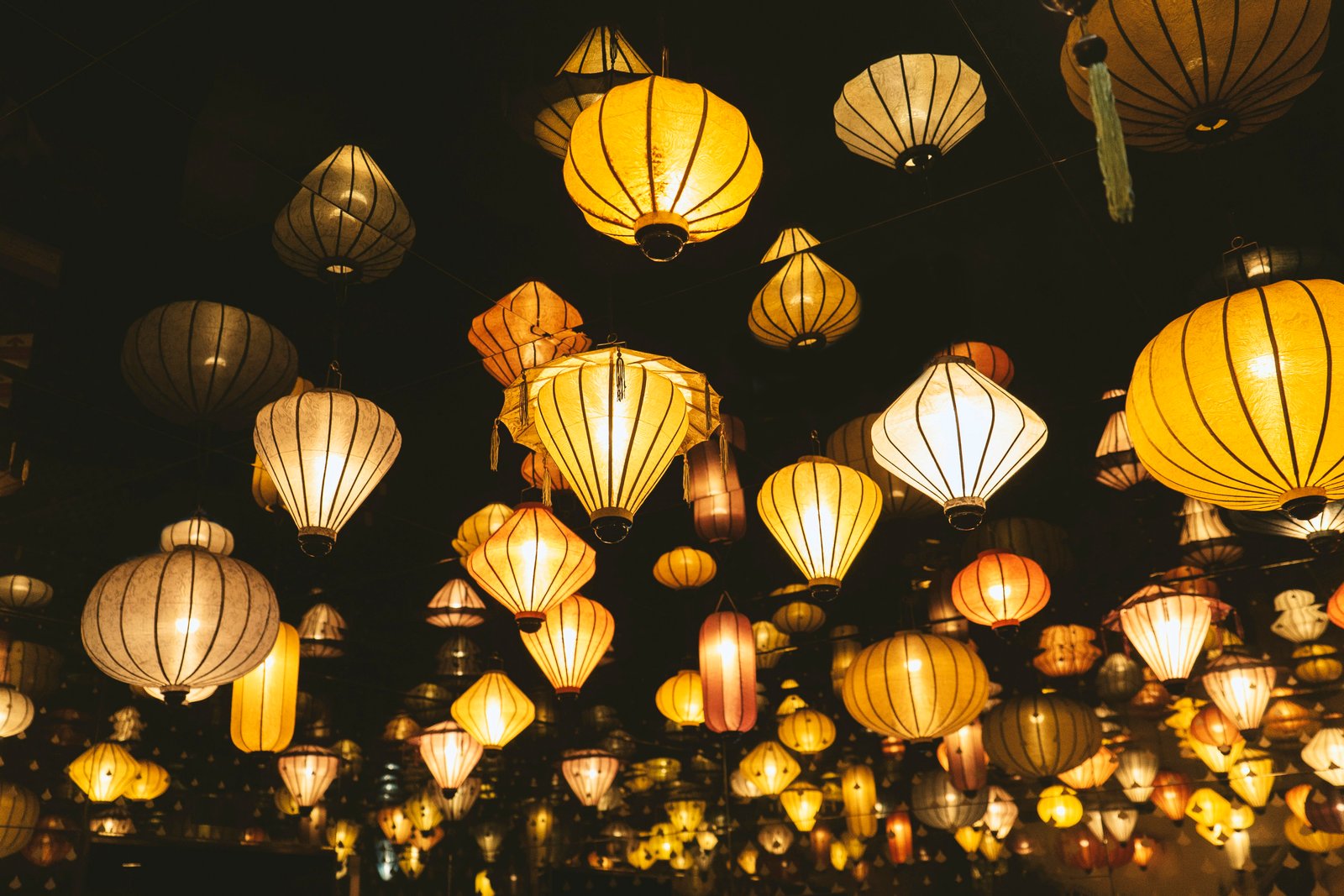
Separately from any festival, Hoi An turns off its electric lights on the fourteenth day of each lunar month and lights the old town with lanterns. It happens every month, it is beautiful, and it is easy to catch by accident or to plan for with a calendar check.

Regional and seasonal events

Hue hosts a biennial festival of royal arts and performance in its citadel, typically in spring, which transforms the city when it runs. Da Nang's international fireworks competition brings weekend displays over the Han River across several months in summer, and fills hotels on those weekends.

In the far north, the ethnic-minority markets have their own rhythm — Bac Ha's Sunday market being the best known and the most worth building a Sapa itinerary around, since it only happens on Sundays. Harvest in the northern terraces falls around September and October and is the reason those months are the photographic peak for Sapa and Ha Giang.
Dates most visitors never hear about

Vu Lan, the Wandering Souls festival on the fifteenth day of the seventh lunar month, is the second most important family occasion after Tet. Pagodas fill, offerings are burned in the street, and roses are pinned to clothing — red for those whose mother is living, white for those whose mother has died. It is quieter than Tet and does not disrupt travel, but it is deeply felt.

The Lim Festival in Bac Ninh, shortly after Tet, is where quan ho call-and-response folk singing is performed in its home province, now recognised by UNESCO. In fishing communities along the central and southern coast, whale worship festivals honour the animal as a protector of fishermen, with dates varying village by village.

Lunar or solar — check which

Reunification Day, Labour Day and National Day are fixed solar dates and land on the same day every year. Almost everything else here is lunar and moves. When you read a date in any article, including this one, confirm whether it is fixed or floating before you plan around it.

How to use the calendar

How to use the calendar

Two passes. First check whether your dates collide with Tet, the April–May pair or National Day, because those affect whether you can travel at all as planned. Then, separately, see whether anything you would actively enjoy happens to fall inside your window, and treat that as a bonus rather than the organising principle.

The one case for inverting that order is Mid-Autumn in Hoi An or the Sapa harvest, both of which are good enough to build a trip around. The Sapa harvest sits in a window when northern weather is at its best; Mid-Autumn in Hoi An does not, because September is storm season on that coast, so it is a festival worth a gamble rather than a safe fixture. Weighing a festival against the season it falls in is one of the things Vietnam, End to End works through in sequence.

FAQ

Which Vietnamese holidays affect travel plans?

Reunification Day on 30 April and International Labour Day on 1 May fall together and function as a long domestic holiday. Vietnamese travellers fill coastal resorts, Da Lat and Sapa, prices rise sharply, and domestic flights and hotels book out. The exact length of the break is set by government announcement each year because it…

Why do Vietnamese festival dates move each year?

Most Vietnamese festivals follow the lunar calendar, so their Gregorian dates shift each year and need checking for your own travel year.

What regional festivals are worth planning around?

Hue hosts a biennial festival of royal arts and performance in its citadel, typically in spring, which transforms the city when it runs. Da Nang's international fireworks competition brings weekend displays over the Han River across several months in summer, and fills hotels on those weekends.