Packing for Vietnam is harder than packing for a single-climate country, because a two-week trip from Hanoi to the Mekong can cross a cold damp winter and a tropical dry season in the same suitcase. The list below is organised around the few things that actually go wrong rather than around completeness.
Start with which Vietnams you are visiting
If your trip is entirely in the south, pack as you would for Florida in summer and stop reading the cold-weather section. If it includes Hanoi or Sapa between roughly November and March, you need real layers: a fleece or light down, a waterproof shell, and something warm for your hands in the mountains. Sapa can approach freezing and visitors routinely arrive unprepared because they packed for Southeast Asia in the abstract.
For a trip spanning both, the workable approach is lightweight layers rather than bulky items — long-sleeve base layers, a packable insulated jacket, and a shell that handles both the northern drizzle and a southern downpour.
Rain, and what actually works
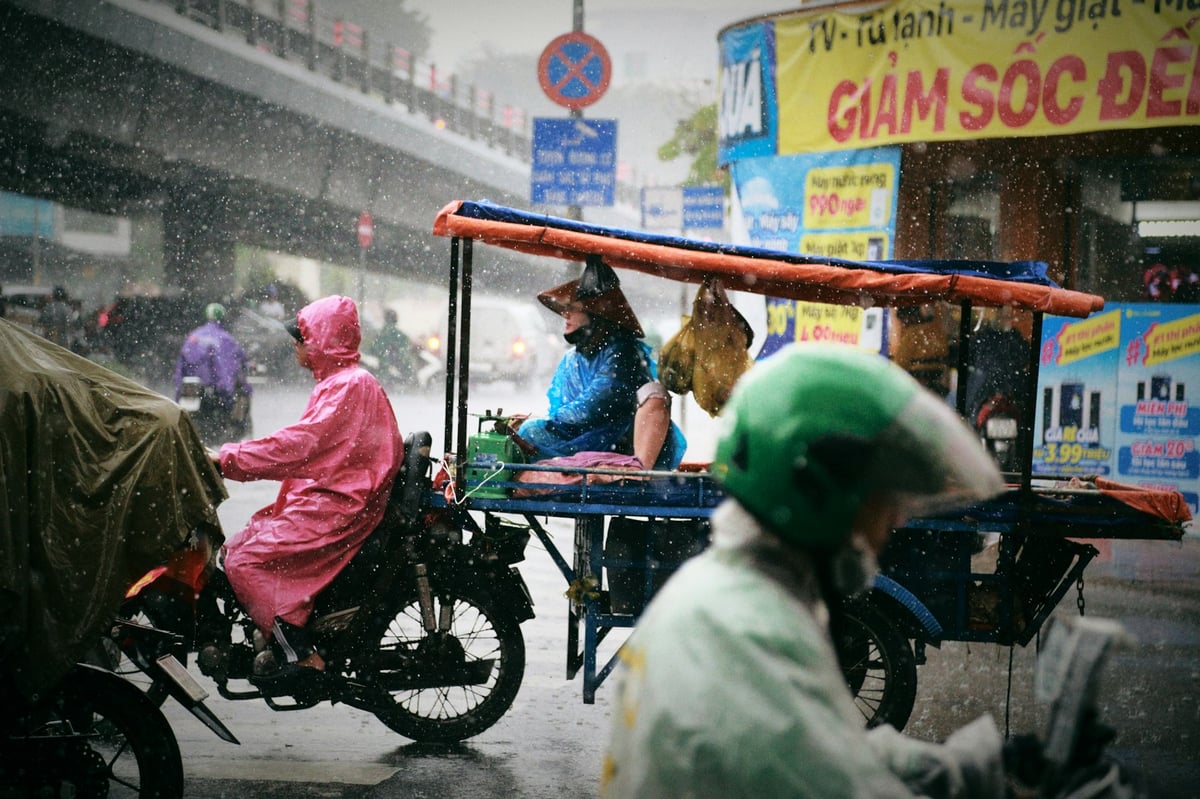
A compact umbrella beats a rain jacket for city use in the south, where the rain is warm and heavy and a sealed jacket turns into a sauna. In the north's fine winter drizzle the jacket wins. Carrying both is reasonable and neither takes much space.
Cheap plastic ponchos are sold on every street corner for less than a dollar and are the standard local solution for a sudden downpour on a motorbike. Buy one there rather than carrying one.
Shoes are the thing people get wrong
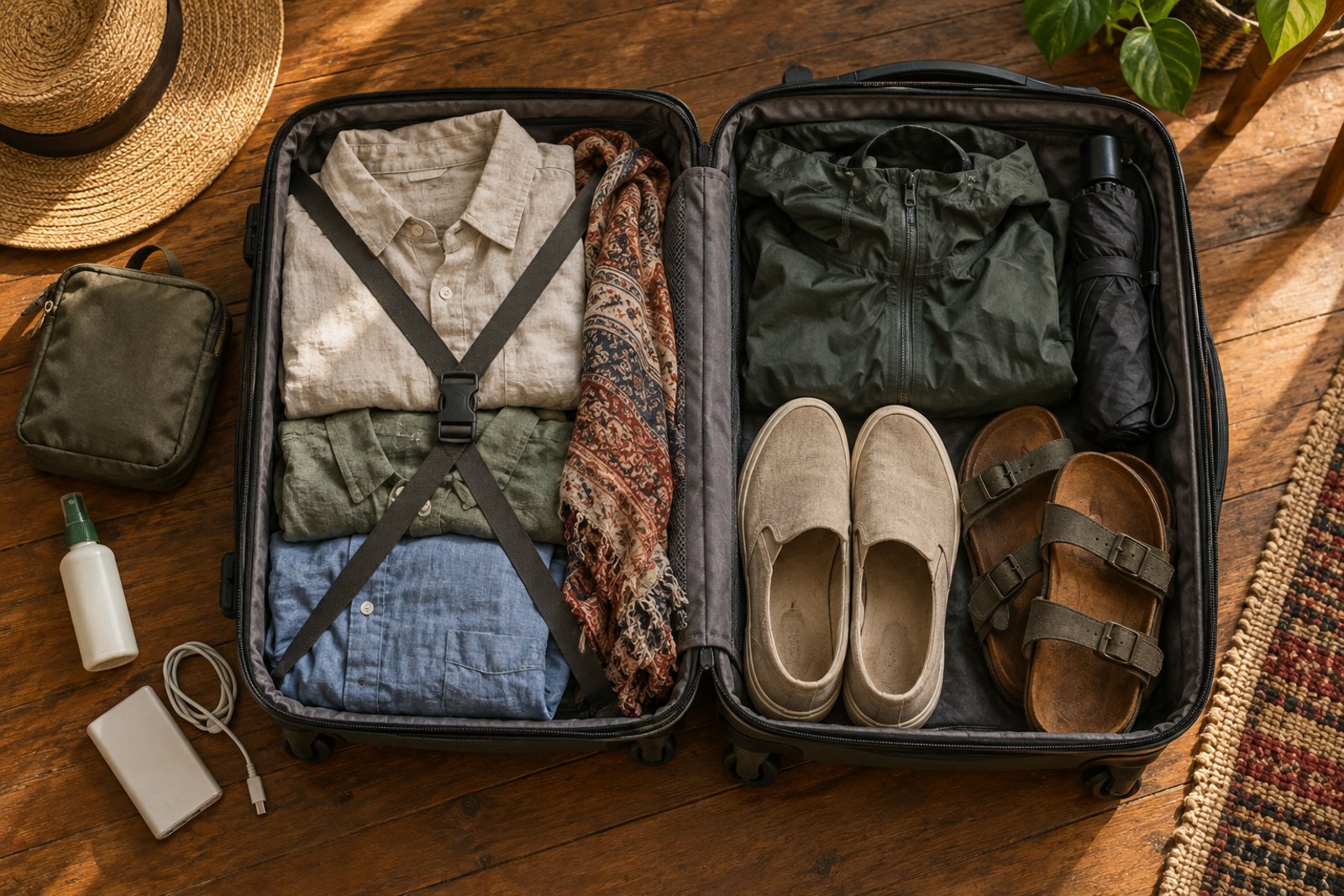
You will walk a great deal on uneven pavements and you will take your shoes off repeatedly — entering temples, homes, many homestays and some small shops. Slip-on or easily unlaced shoes save real friction. Bring one pair of comfortable walking shoes and one pair of sandals, and skip the third pair you are considering.
Clothing for temples and the mausoleum
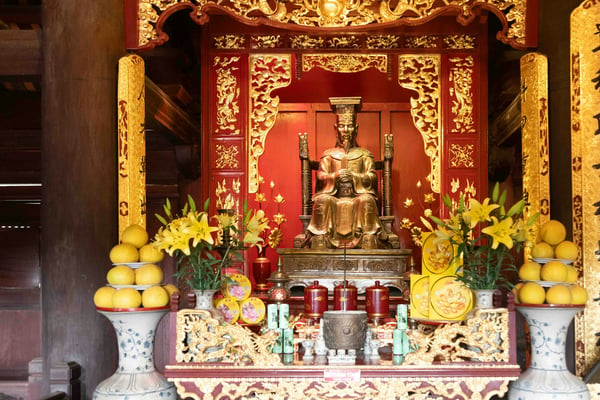
Day-to-day dress in Vietnamese cities is relaxed and Western, and shorts and t-shirts are unremarkable. Two exceptions need packing for. Temples and pagodas require shoulders and knees covered, so bring one lightweight long-sleeve layer and trousers or a long skirt that you can put on over what you are wearing. A scarf doubles as a shoulder cover and is the single most useful item on this list.
The Ho Chi Minh Mausoleum in Hanoi enforces a stricter code than anywhere else you are likely to go — no shorts, no bare shoulders, no hats inside, and cameras and phones are not permitted in the viewing chamber. If it is on your itinerary, plan an outfit for it.
The small things that matter
Vietnam runs on 220V at 50Hz, and sockets commonly take both US flat two-pin and European round two-pin plugs, so a US charger usually fits without an adapter. The voltage is the part to check: almost all phone and laptop chargers handle 100–240V and are fine, but a 110V-only appliance such as an older hair dryer will be destroyed. Read the label before packing it.
Bring insect repellent with DEET or picaridin — dengue is daytime-biting and urban, so this is not only a jungle concern. Carry prescription medication in its original labelled packaging with a copy of the prescription — but note that packaging alone does not make a substance legal: ingredients in some common prescriptions, including for ADHD, may be illegal in Vietnam, so check anything you depend on before you fly rather than at the border. A small supply of rehydration salts and loperamide covers most of what goes wrong.
What not to bother with
Do not pack towels, basic toiletries, or large quantities of clothing. Laundry is cheap, fast and available everywhere, usually priced by the kilo and returned the same day, which makes a week's clothes sufficient for a month's trip. Do not bring a water filter bottle unless you are trekking; bottled water is universal and cheap. And do not bring much cash in US dollars beyond a modest emergency reserve — you will spend in dong.
If your trip has a motorbike or trekking leg
Riding pillion on the Ha Giang loop or trekking out of Sapa changes the list. Bring real closed shoes with grip rather than sandals, long trousers regardless of heat, and a windproof layer — mountain roads are markedly colder than the valley you left. Operators supply helmets, but the supplied ones are often token shells, and anyone riding for days should consider their own.
A dry bag or a few resealable plastic bags protect electronics from both rain and dust, and a power bank matters more here than in cities, because a day on the road is a day away from sockets while using your phone for photographs and navigation.
Connectivity
An eSIM bought before you leave is usually the lowest-friction option, provided your phone supports eSIM and you check the provider's Vietnam coverage; a physical tourist SIM bought at the airport requires passport registration and takes a few minutes. Check what your own US carrier charges for international data before relying on it — roaming add-ons are typically far more expensive per gigabyte than a local plan, though a few plans include Vietnam at no extra cost.
One thing to leave room for
One thing to leave room for
Hoi An's tailors are a genuine industry rather than a tourist gimmick, and a lot of visitors leave with more clothing than they arrived with. If that is likely, arrive with space or plan on a cheap extra bag bought locally.
FAQ
What should you pack for Vietnam?
If your trip is entirely in the south, pack as you would for Florida in summer and stop reading the cold-weather section. If it includes Hanoi or Sapa between roughly November and March, you need real layers: a fleece or light down, a waterproof shell, and something warm for your hands in the mountains. Sapa can approach freezing and…
What rain gear works in Vietnam?
A compact umbrella beats a rain jacket for city use in the south, where the rain is warm and heavy and a sealed jacket turns into a sauna. In the north's fine winter drizzle the jacket wins. Carrying both is reasonable and neither takes much space.
What should you wear to temples in Vietnam?
Day-to-day dress in Vietnamese cities is relaxed and Western, and shorts and t-shirts are unremarkable. Two exceptions need packing for. Temples and pagodas require shoulders and knees covered, so bring one lightweight long-sleeve layer and trousers or a long skirt that you can put on over what you are wearing. A scarf doubles as a…
Keep planning
Not sure how it all fits together?
Pick your trip length and we'll route a real day-by-day plan.