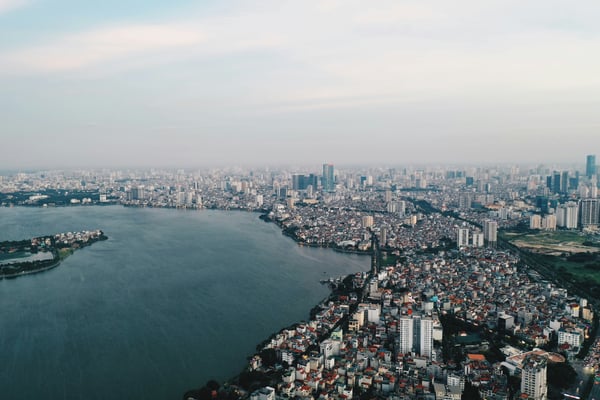
Ho Chi Minh City is large and its districts are genuinely different, so where you book changes your days more than it would in a smaller city. For a short first visit the answer is usually District 1 — but which part of District 1 matters too.
District 1
The centre, and the default. Dong Khoi and the streets around the Opera House hold the grander hotels; Ben Thanh is busier and better connected to the street food. From here the War Remnants Museum, Reunification Palace and the colonial buildings are all walkable, and everything else is a short Grab.
The trade is price and noise: District 1 costs more than the surrounding districts and the traffic is constant. A room on a higher floor, away from the main boulevards, makes a noticeable difference.
Pham Ngu Lao and Bui Vien
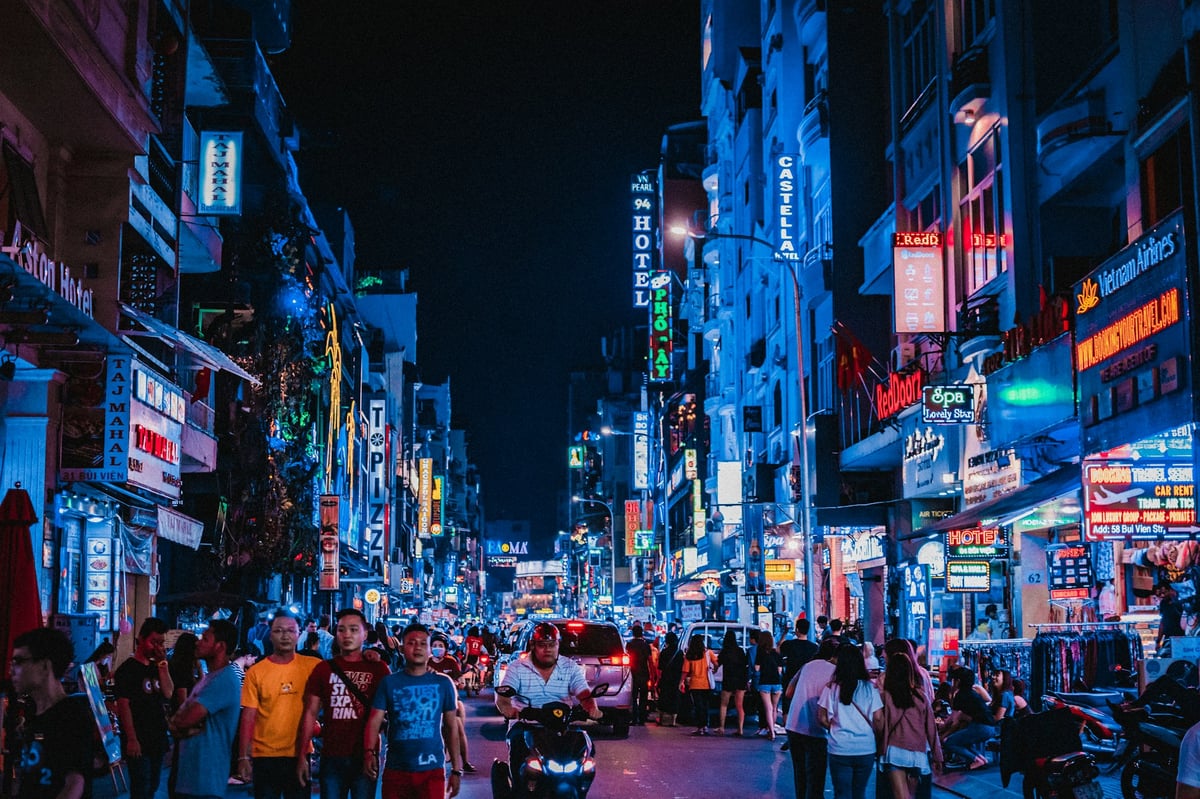
The backpacker quarter, inside District 1 at its western end. Cheap, central, and loud — Bui Vien runs as a pedestrianised bar street at weekends and the noise carries well past midnight.
Choose it deliberately if that is what you want, and check how many streets separate your hotel from Bui Vien if it is not. Booking here on price alone and expecting a quiet night is the mismatch to avoid.
District 3
Immediately northwest of District 1, leafier, quieter, and with a concentration of local cafes and restaurants. It is a short Grab ride from the main sights and generally better value for the standard of room.
This is the sensible choice for a second visit, for anyone staying four nights or more, and for travellers who would rather eat where Saigon eats than where visitors do.
Thao Dien, District 2
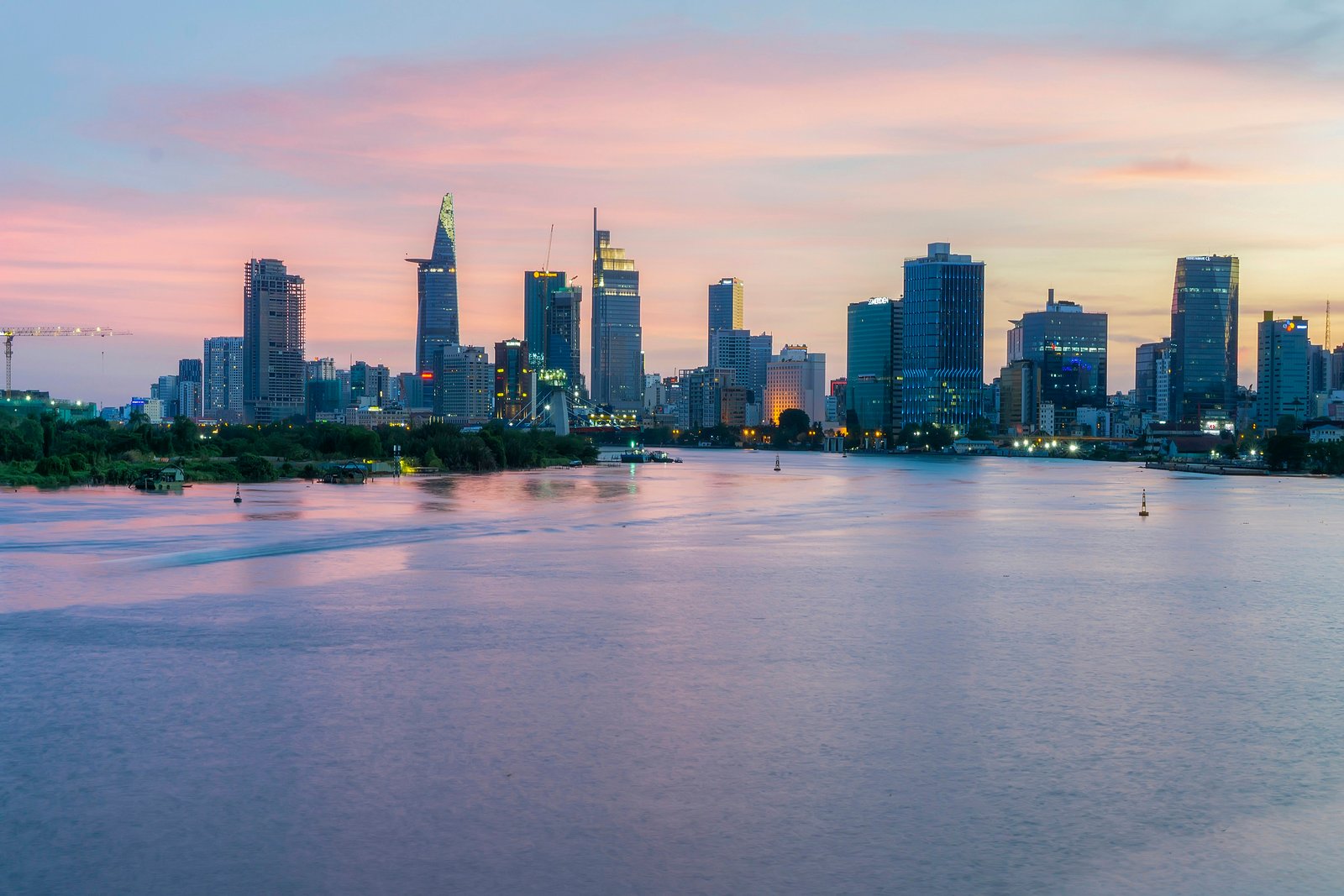
Across the river: riverside, low-rise, full of international schools, Western groceries and expat cafes. Genuinely pleasant and a completely different pace.
It is also a long way from the sights — twenty to thirty minutes each way depending on traffic, across bridges that congest at peak. It suits families, long stays and anyone working while travelling. For three nights of sightseeing the commute will eat into the trip.
District 4
Small, central, just across a canal from District 1, and known for street food. It was once a rough reputation and is now largely a food destination. Accommodation is thinner here but the location is good and the eating is better than District 1's.
What a room costs
Ho Chi Minh City is inexpensive by American standards across every tier, and the gap between a basic private room and a genuinely good hotel is smaller than it would be at home. District 1 carries a premium over Districts 3 and 4 for the same standard, and Thao Dien sits somewhere in between.
Rates climb around Tet and the April-May holiday pair. Check live rates for your dates rather than planning around any figure in an article.
Pools and rooftops
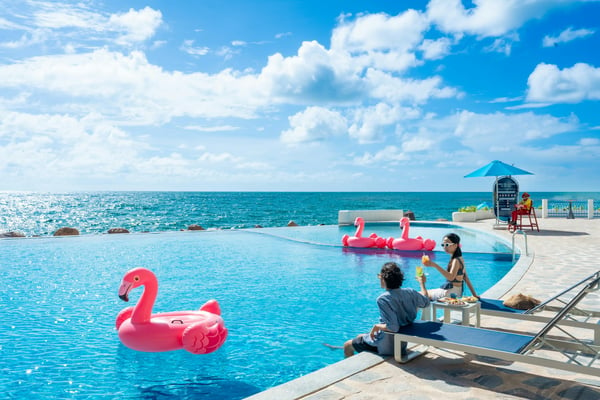
More relevant here than in Hanoi. The heat is constant rather than seasonal, and a hotel with a pool changes what you can do with the middle of the day. Several mid-range hotels in District 1 have small rooftop pools, which is often the difference between resting in the afternoon and losing it. (This article contains affiliate links — if you book through them we earn a small commission at no extra cost to you.)
What to check before booking
How far it actually is from District 1, measured on a map rather than from the listing's description of itself. Which floor the room is on and whether the windows face a main road. Whether there is a pool, which matters more here than it would in a cooler city.
And the Bui Vien question, for anything in the Pham Ngu Lao area: two or three streets of separation is the difference between hearing the bass and not.
Airport proximity
Tan Son Nhat is about four miles from District 1 and thirty to fifty minutes in traffic, so there is little reason to stay near it. The area around the airport is cheaper and has little a short-stay visitor would go there for. For a very early flight, a pre-dawn Grab from the centre is usually the simpler answer.
Noise, generally
Ho Chi Minh City is loud in a way that is not confined to the bar streets. Construction starts early, traffic is constant, and karaoke carries. A room facing an internal courtyard rather than a boulevard is worth asking for anywhere in the centre, and earplugs are not an unreasonable thing to pack.
How many nights
Two nights is enough for the museums and the colonial centre at a reasonable pace. Three leaves room for Cu Chi or Cho Lon. Four or more makes District 3 or Thao Dien worth considering and allows a Mekong overnight.
Most north-to-south itineraries end here, which argues for booking somewhere comfortable: it is the last stop, and a good room at the end of two weeks of travel is worth more than the same room at the start.
FAQ
Should you stay in District 1 in Ho Chi Minh City?
The centre, and the default. Dong Khoi and the streets around the Opera House hold the grander hotels; Ben Thanh is busier and better connected to the street food. From here the War Remnants Museum, Reunification Palace and the colonial buildings are all walkable, and everything else is a short Grab.
What is District 3 like?
Immediately northwest of District 1, leafier, quieter, and with a concentration of local cafes and restaurants. It is a short Grab ride from the main sights and generally better value for the standard of room.
What is Thao Dien like?
Across the river: riverside, low-rise, full of international schools, Western groceries and expat cafes. Genuinely pleasant and a completely different pace.
Keep planning
Not sure how it all fits together?
Pick your trip length and we'll route a real day-by-day plan.