Vietnam's protected areas run from the limestone caves of the centre to the terraced valleys of the far north, and they vary enormously in how much effort they require. Here are the ones worth planning around and what each involves.
Phong Nha-Ke Bang
A UNESCO World Heritage site in Quang Binh province, and the country's great cave landscape. Son Doong, the largest cave passage in the world, is here and is accessible only on an expensive multi-day expedition booked far in advance through the single licensed operator.
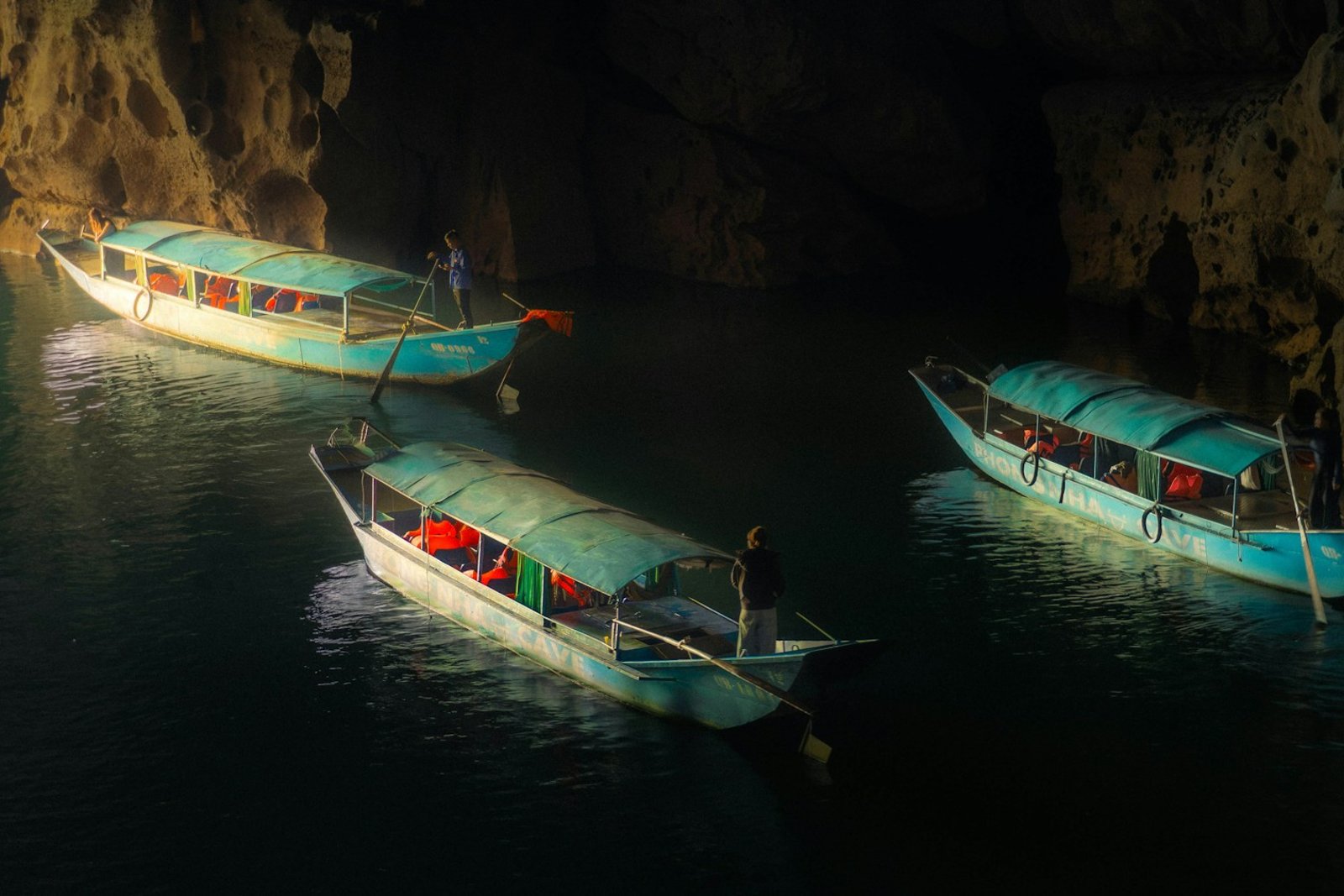
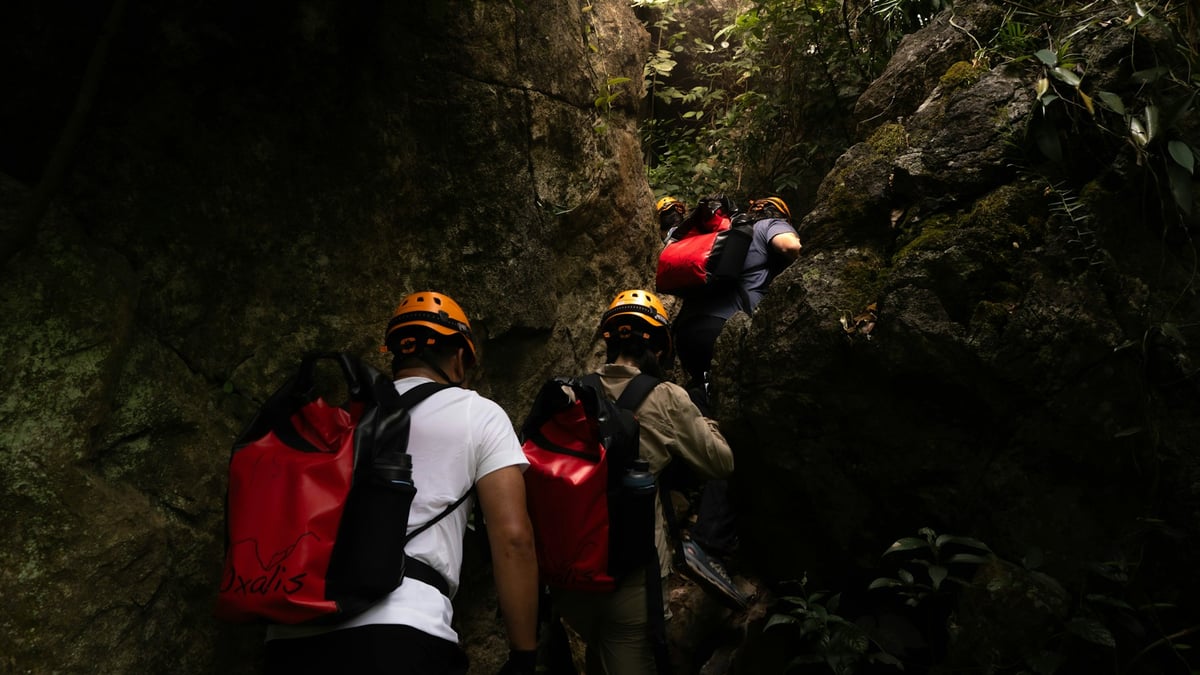
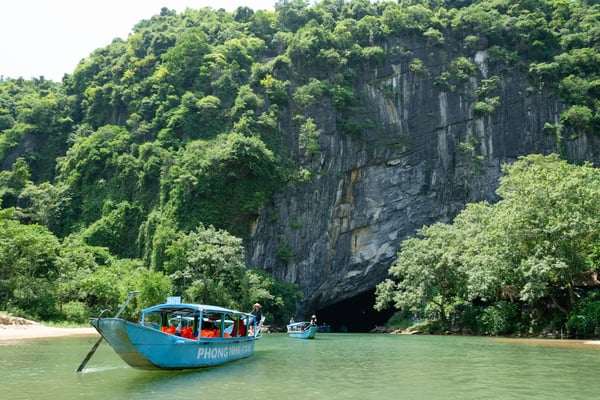
The rest of the park is more reachable. Paradise Cave and Phong Nha Cave are developed and walkable, with boardwalks and lighting, and are the accessible end of the park — though both involve stairs, so check if that matters. Hang En requires an overnight trek and a camp on a beach inside the cave, and is the one most people who want a serious cave experience end up doing. Tu Lan is a separate system of wet caves reached by swimming.
Phong Nha is a stop on the north-south route between Hanoi and Hue, which makes it easier to fit than its remoteness suggests.
Sapa and the northern valleys
Not a national park but the country's main trekking destination: terraced valleys between Hmong and Dao villages, walked over a day or several with a local guide and village homestays. The walking is more demanding than the distances suggest because of the elevation changes, and the trails are a different proposition wet and dry.
September and October are the best months, with the terraces gold before harvest. The wet summer brings mud and leeches.
Ha Giang
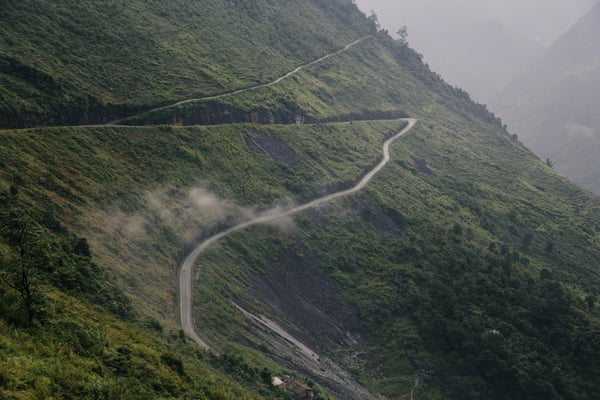
The far north, on the Chinese border, and the most spectacular landscape in the country. The Ha Giang loop is usually done over three or four days on a motorbike. Riding it yourself is the problem: a US licence and an International Driving Permit are both invalid in Vietnam, renting without a Vietnamese licence is illegal, driving without one can mean a fine, arrest, or jail, and your travel insurance may not pay your medical bills after an accident. The common alternative is riding pillion with an easy-rider; a car with a driver covers the same route.
It is a long way from Hanoi and it needs the time. On anything under three weeks it competes directly with Sapa.
Ba Be
A lake park in the far north-east, less visited than Sapa or Ha Giang and reachable in a long day from Hanoi. The lake is the largest natural one in the country, surrounded by limestone and forest, and the usual visit is a boat trip, a cave and a night in a Tay stilt-house homestay.
It suits people who want the northern mountains without the Sapa infrastructure, and it is gentler than either Sapa or Ha Giang in what it asks.
Cuc Phuong
Vietnam's oldest national park, inland from Ninh Binh and easy to add to a visit there. Primary rainforest, a thousand-year-old tree, limestone caves with prehistoric remains, and two serious conservation centres — the Endangered Primate Rescue Center and the Turtle Conservation Center — which are the main reason to go.
Walking here is gentle and the trails are marked. In April and May the park's butterfly emergence is a genuine spectacle.
Cat Ba
The island park in the Ha Long archipelago, with forest covering most of the interior and the critically endangered Cat Ba langur, found nowhere else. The short climb to the Ngu Lam viewpoint takes about an hour; the traverse to Viet Hai village is a half-day walk that can be combined with a boat back.
Bach Ma and Cat Tien
Bach Ma, between Hue and Da Nang, is a cool highland park with waterfalls, a summit road and the remains of a French hill station. It is an easy day from either city and is often overlooked.
Cat Tien, north of Ho Chi Minh City, is lowland rainforest with gibbons, crocodiles in Bau Sau lake, and night safaris. It is the most accessible serious wildlife park from the south and needs an overnight.
Practical points for all of them
Guides are required in some parks and strongly advisable in most; the park offices arrange them. Permits for the longer treks and the caves are arranged in advance, not on arrival.
Leeches are a feature of the wet season in forested parks. They are unpleasant rather than dangerous in themselves; long socks and repellent reduce the number you collect. Carry more water than you expect to need, and start early — the heat is the limiting factor more often than the terrain.
Choosing between them
If you have one slot: Phong Nha if caves and landscape are the draw and you are travelling the country north to south anyway, because it is on the route. Sapa if the terraces and the village walking are the image you have in mind. Cuc Phuong if you are already in Ninh Binh and want a day of forest and primates.
If you have two slots and three weeks, Phong Nha and one of the northern options is the pairing that covers the most different kinds of landscape.
What to book ahead
Son Doong, months in advance. Hang En and the Tu Lan caves, weeks. Sapa homestays in the autumn peak, days. Everything else can generally be arranged locally the day before.
FAQ
What is there to see at Phong Nha-Ke Bang?
A UNESCO World Heritage site in Quang Binh province, and the country's great cave landscape. Son Doong, the largest cave passage in the world, is here and is accessible only on an expensive multi-day expedition booked far in advance through the single licensed operator.
Is Sapa a national park?
Not a national park but the country's main trekking destination: terraced valleys between Hmong and Dao villages, walked over a day or several with a local guide and village homestays. The walking is more demanding than the distances suggest because of the elevation changes, and the trails are a different proposition wet and dry.
What is the Ha Giang loop?
The far north, on the Chinese border, and the most spectacular landscape in the country. The Ha Giang loop is usually done over three or four days on a motorbike. Riding it yourself is the problem: a US licence and an International Driving Permit are both invalid in Vietnam, renting without a Vietnamese licence is illegal, driving without one can mean a fine, arrest, or jail, and your travel insurance may not pay your medical bills after an accident. The common alternative is riding pillion with an easy-rider; a car with a driver covers the same route.
Keep planning
Not sure how it all fits together?
Pick your trip length and we'll route a real day-by-day plan.