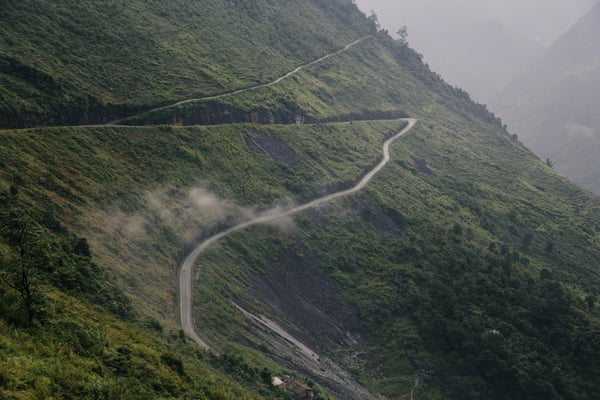
Sapa sits at around 1,500 metres in the far north of Vietnam, which gives it a climate unlike anywhere else in the country. The trekking is through terraced rice valleys between villages, and the year divides very clearly into periods that suit that and periods that do not.
The short answer
September and October are the best trekking months. The rice terraces are gold and ready for harvest, the heavy rain has eased, the air is clearer, and the temperature is comfortable for walking all day.
March to May is the second window: cooler, greener, with the terraces being prepared and planted, and far fewer visitors than the autumn peak.
September to November
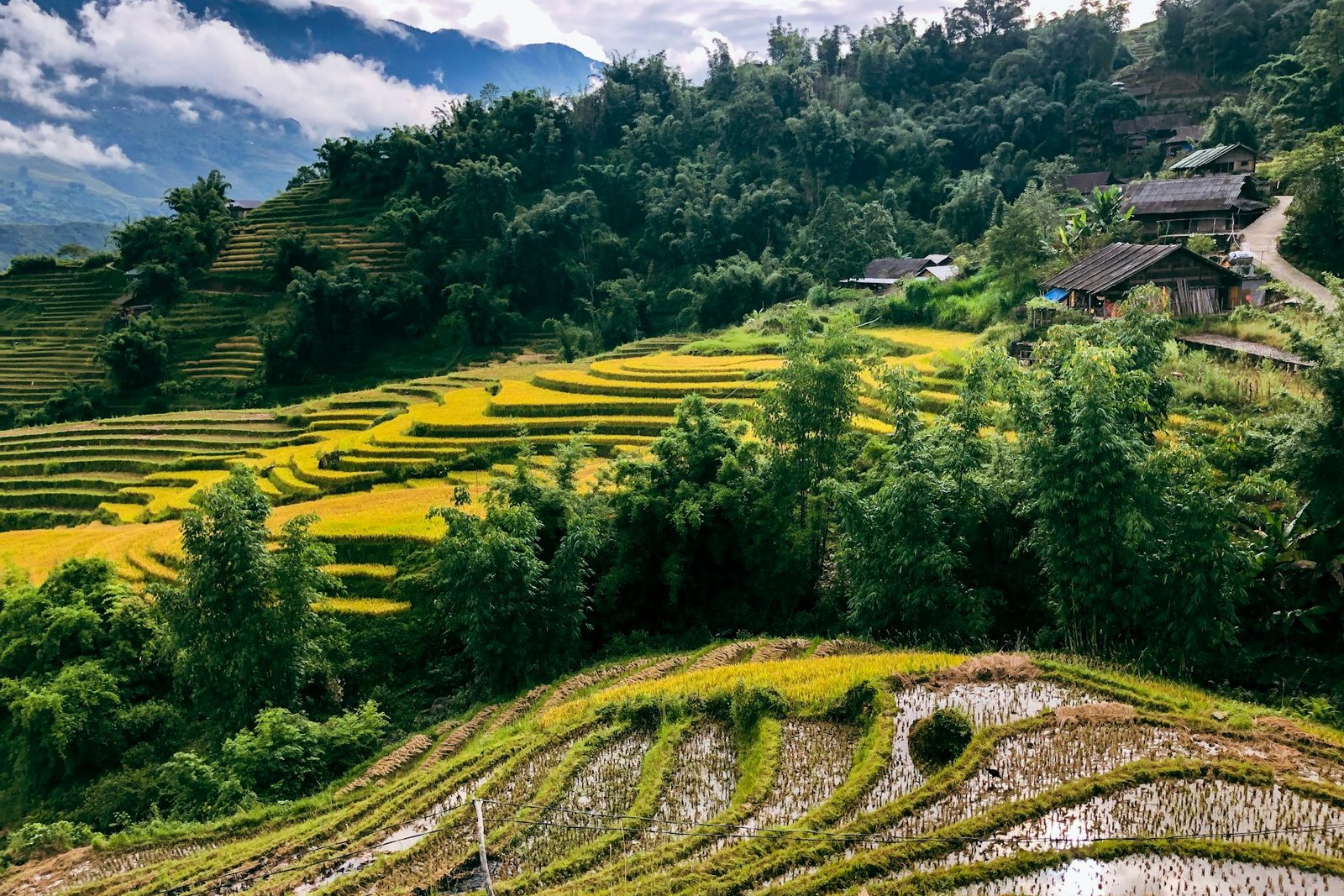
The harvest season and the reason most people come. The terraces turn from green to gold through September, and the cut happens through late September and October. The paths are drying out from the summer rain, and visibility over the valleys is at its best.
The trade is that this is the busiest period and accommodation books up. November turns colder and the terraces are cut and bare, but the walking is still good and the crowds thin.
December to February
Genuinely cold. Sapa can drop close to freezing, mist sits in the valleys for days, and snow falls on the highest ground in some years. The views are frequently gone entirely.
It is not a write-off — the mist has its own quality and the villages are quiet — but it is the wrong time to come if walking in the terraces with a view is the point. Pack for actual winter if you do go.
March to May
The other good window. The weather warms through spring, the valleys green up, and the terraces are flooded and planted — which gives the mirrored-water effect that photographs well in a different way from the gold.
Rain increases through May as the summer pattern sets in. Early in this window is drier and cooler; later is warmer and wetter.
June to August
The wet season. This is the hottest and by far the wettest part of the year, with heavy afternoon rain, leeches on the trails, and paths that turn to deep mud. The terraces are at their most intensely green.
Landslides close roads in this period, and the drive or train up from Hanoi can be disrupted. If this is when you can travel, go with flexible plans and lower expectations about the longer treks.
Month by month, briefly
January and February: cold, misty, often no view. March: cool and clearing, terraces bare or being prepared. April and May: green, warming, flooded terraces, rain building. June to August: hot, very wet, mud and leeches, the deepest green. September: the terraces turn gold, the rain eases. October: harvest, the clearest air, the busiest month. November: cut terraces, cold air, quiet trails. December: winter sets in.
The festivals and markets
The weekly markets in the surrounding valleys are a reason to time a visit to a particular day rather than a particular season. Bac Ha, a few hours away, runs on Sundays and is the largest. Several smaller valley markets run on fixed weekdays.
The lunar new year period in late January or February shuts a good deal down and fills the transport, and it is the one date worth actively planning around.
What the weather means for the walking
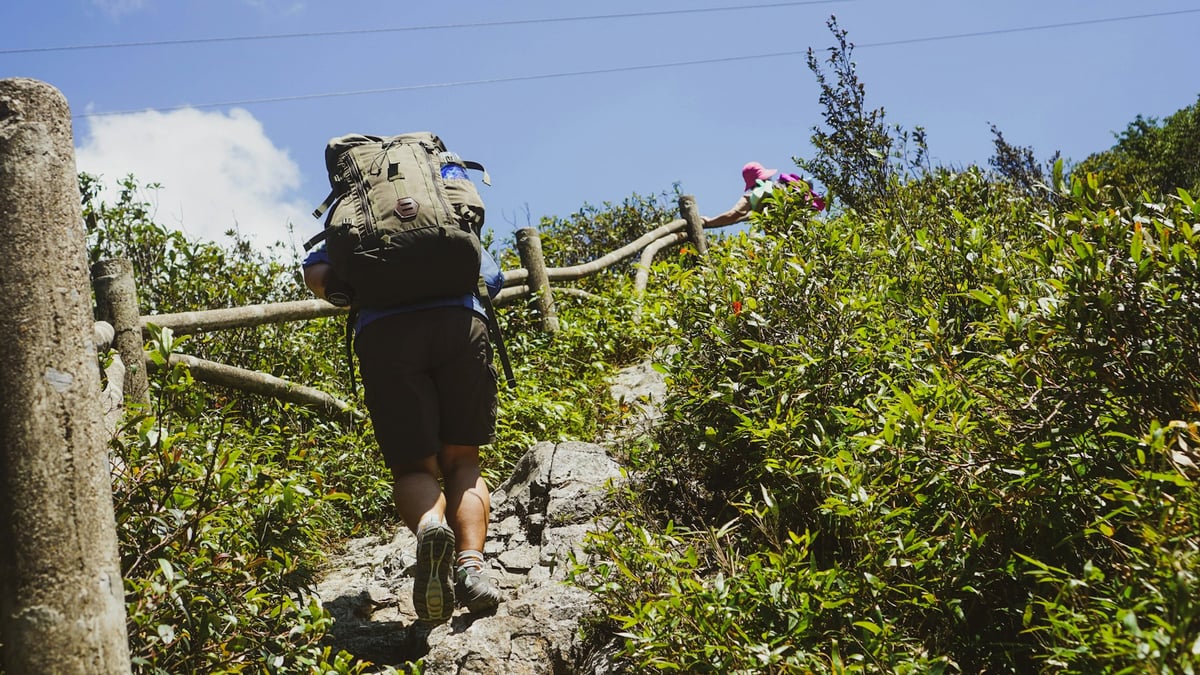
The trails between villages are earth, rock and terrace edge, and they are a different proposition wet and dry. In the dry months they are a walk; in the wet months they are a scramble, and a guide earns their fee.
Sturdy shoes matter more here than almost anywhere else in Vietnam. Several guesthouses and agencies lend rubber boots in the wet season, which is a better solution than trainers.
Hiring a guide
Local guides, many of them women from the surrounding Hmong and Dao villages, run treks of a half day to several days with homestays. This is the standard way to do it and the money goes to the valley.
Agree the route, the duration, what is included and the price before setting off, and be realistic about your own fitness — the elevation changes between villages are larger than the distances suggest.
How many days to give it
A single day of walking out of Sapa town covers one valley and gets you back for dinner. Two days with a village homestay is the version most people do and is where the trek stops feeling like a day trip. Three or more gets you into valleys the day walkers do not reach.
Add the travel from Hanoi at each end. Budgeting four days for a two-day trek is a conservative allowance, and it is closer to what the leg actually costs than the trek length suggests.
Getting there
Allow five to six hours from Hanoi by road on the expressway, by sleeper bus or private car. The overnight train runs to Lao Cai, with a road transfer of about an hour on to Sapa; it is slower overall and more comfortable.
Whichever month you choose, book the accommodation before the transport in the autumn peak; the buses run constantly and the good guesthouses do not.
FAQ
What is the best month to trek in Sapa?
September and October are the best trekking months. The rice terraces are gold and ready for harvest, the heavy rain has eased, the air is clearer, and the temperature is comfortable for walking all day.
What is Sapa like from September to November?
The harvest season and the reason most people come. The terraces turn from green to gold through September, and the cut happens through late September and October. The paths are drying out from the summer rain, and visibility over the valleys is at its best.
How cold does Sapa get in winter?
Genuinely cold. Sapa can drop close to freezing, mist sits in the valleys for days, and snow falls on the highest ground in some years. The views are frequently gone entirely.
Keep planning
Not sure how it all fits together?
Pick your trip length and we'll route a real day-by-day plan.