Hanoi · Ha Long Bay · Hue · Hoi An · Da Nang · Ho Chi Minh City · Mekong Delta · Phu Quoc · Sapa
Vietnam for AmericansFor American travelers

Domestic Flights in Vietnam: Routes and Airlines

Internal flights are cheap and frequent, and they are what makes a two-week Vietnam itinerary possible. Here is how the network works.

Editorial
Written and fact-checked for American travelers
·5 min read·
Domestic Flights in Vietnam: Routes and Airlines
On this page
  1. 01The airlines
  2. 02The routes that matter
  3. 03Booking and baggage
  4. 04Airports and timing
  5. 05The island and remote routes
  6. 06How flights change the shape of a trip
  7. 07FAQ

Vietnam's domestic air network is dense and cheap by American standards, and it is what makes a short trip through a long country comfortable rather than rushed. One flight can replace fourteen hours on the ground — though plenty of people cover the same route by train or bus and treat the journey as part of the trip.

The airlines

Vietnam Airlines is the full-service national carrier and a SkyTeam member, so Delta miles earn and burn on it. VietJet Air and Bamboo Airways are the low-cost operators, with Vietravel Airlines a smaller fourth. Between them they cover essentially every pairing a visitor would want.

The trade is the familiar one. Vietnam Airlines includes checked baggage and has the better on-time record; VietJet is usually the cheapest and sells baggage, seats and everything else separately. On a short hop with hand luggage the low-cost option is often genuinely fine. On a connection where a delay would cost you something, the premium is worth it.

What the fares look like

Low. Internal hops on the main routes are cheap by American standards — the kind of fare that makes flying the obvious choice over a long overland leg — but the actual number moves with the date, how far ahead you book, and the holiday calendar. Check a live search rather than planning against a figure on a page. Treat that as an order of magnitude rather than a quote. The useful shape is that the gap between the cheapest and most expensive carrier on the same route is often smaller than the baggage fee that separates them.

Turquoise water and karst islands on the Vietnamese coast seen from above

The routes that matter: Hanoi · Da Nang · Ho Chi Minh City · Nha Trang · Phu Quoc. (Enable JavaScript for the interactive map.)

The routes that matter

Hanoi to Ho Chi Minh City is one of the busiest air corridors in the world and runs many times a day, taking a little over two hours against more than thirty by rail. Hanoi to Da Nang and Ho Chi Minh City to Da Nang are the next tier, both around an hour and a quarter, and both replace a very long ground journey.

Beyond the big three, useful services run to Phu Quoc, Nha Trang via Cam Ranh, Hue via Phu Bai, Da Lat via Lien Khuong, and Con Dao. Flights also reach Dien Bien and Con Dao on smaller aircraft, which are the only practical way to reach either.

The route that is not worth flying

Hue to Da Nang. The two cities are about two and a half to three hours apart by rail, and the airports are close enough together that flying makes no sense once you add two transfers, check-in and security. The train is cheaper and is one of the best rides in the country.

Booking and baggage

Book directly with the airlines where you can. Fares rise closer to departure in the usual way, and the holiday periods — Tet above all, then the April–May pair and National Day — book out and spike well in advance.

Check the baggage allowance before you book a low-cost fare, because the headline price frequently excludes checked bags and adding one at the airport costs considerably more than adding it online. Weigh your bag: enforcement is real and consistent.

When the train or bus is the better call

Flying is not automatically right just because it is fast. On the shorter corridors the door-to-door maths closes up: a one-hour flight between Hue and Nha Trang becomes four hours once you add two airport transfers, check-in and security, against a train that leaves from the middle of town.

The rule of thumb that holds is that flying wins decisively above roughly five hundred miles, loses below about a hundred and fifty, and is a genuine toss-up in between — decided by what time of day each option runs and whether you would rather sleep through the journey or see it.

Airports and timing

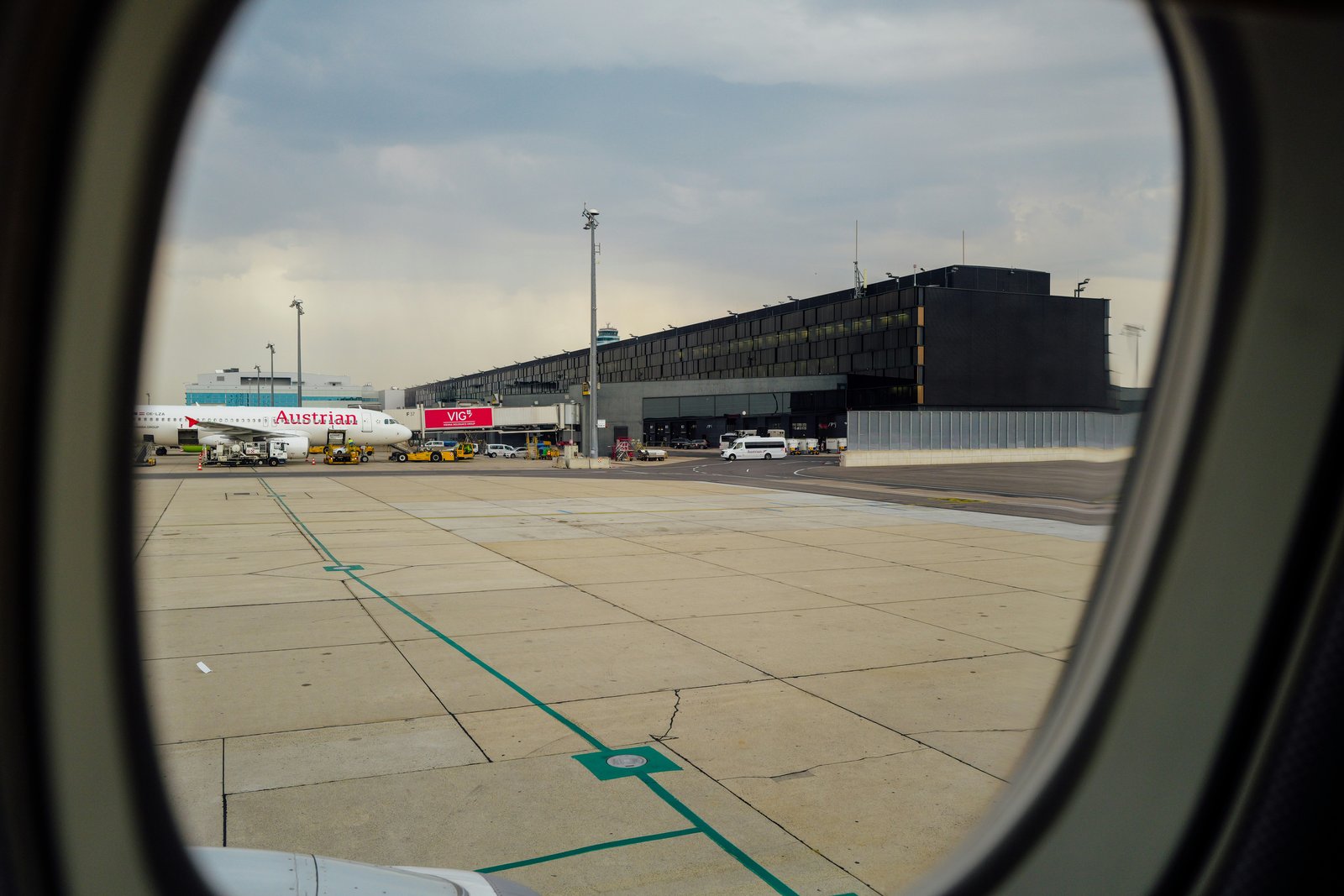
Domestic terminals are separate from international ones at both Hanoi and Ho Chi Minh City, so a same-day international-to-domestic connection means clearing immigration, collecting bags and moving terminals. Allow three hours, more at holidays.

For a purely domestic flight, ninety minutes at the airport is comfortable. Vietnamese domestic airports are efficient and the security queues are short by US standards.

Delays

Delays are common on the low-cost carriers, particularly late in the day as the schedule accumulates slippage. If a flight has to connect with something else — an international departure, a cruise check-in, a prepaid transfer — book it early in the day and leave a buffer rather than relying on the schedule.

The island and remote routes

Some places are effectively only reachable by air. Con Dao, the former prison islands off the southern coast, has no practical alternative. Phu Quoc is served by ferry from the Mekong Delta, but the flight from Ho Chi Minh City takes an hour against most of a day by road and boat. Dien Bien Phu in the far northwest is a long mountain drive otherwise.

These routes often use smaller aircraft with tighter baggage limits and thinner schedules — sometimes one or two flights a day — so a cancellation can leave you waiting until the next one rather than catching a later service the same afternoon. Build a spare day around any of them rather than connecting straight onto an international departure.

How flights change the shape of a trip

The real effect of cheap internal flights is that they decouple your route from geography. Without them, a two-week trip is a forced march down a single line; with them, you can skip the middle, double back, or treat Hanoi and Ho Chi Minh City as two separate bases. Which legs to fly and which to take slowly is one of the first decisions worth making deliberately rather than by default, and Vietnam, End to End lays that sequence out.

FAQ

Which airlines fly domestic routes in Vietnam?

Vietnam Airlines is the full-service national carrier and a SkyTeam member, so Delta miles earn and burn on it. VietJet Air and Bamboo Airways are the low-cost operators, with Vietravel Airlines a smaller fourth. Between them they cover essentially every pairing a visitor would want.

How long is the flight from Hanoi to Ho Chi Minh City?

Hanoi to Ho Chi Minh City is one of the busiest air corridors in the world and runs many times a day, taking a little over two hours against more than thirty by rail. Hanoi to Da Nang and Ho Chi Minh City to Da Nang are the next tier, both around an hour and a quarter, and both replace a very long ground journey.

How should you book domestic flights in Vietnam?

Book directly with the airlines where you can. Fares rise closer to departure in the usual way, and the holiday periods — Tet above all, then the April–May pair and National Day — book out and spike well in advance.