Vietnam is one of the cheapest countries an American can fly to, and the gap between travelling carefully and travelling comfortably is unusually small. What catches people out is not the price level. It is the shape of the money: a currency with three extra zeros, two banknotes that look alike, and a card network that stops working earlier than you expect.
The currency, and the mistake everyone makes
Vietnam uses the dong, and it trades in the tens of thousands to the dollar, so every price carries three more zeros than your instincts expect. A bowl of pho priced at 50,000 looks alarming for about two days and then stops registering. Check the current rate before you go rather than memorising one, because it moves.
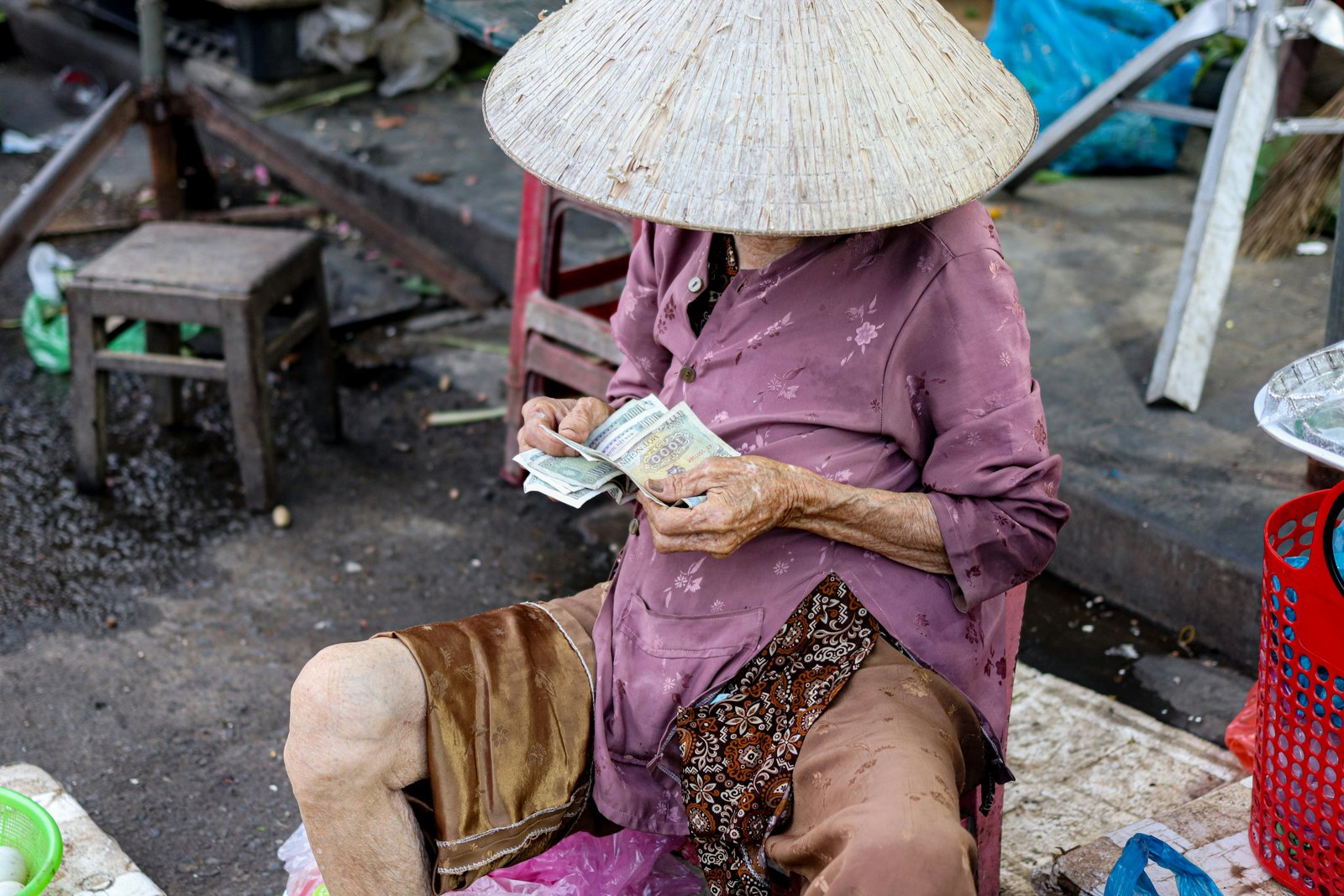
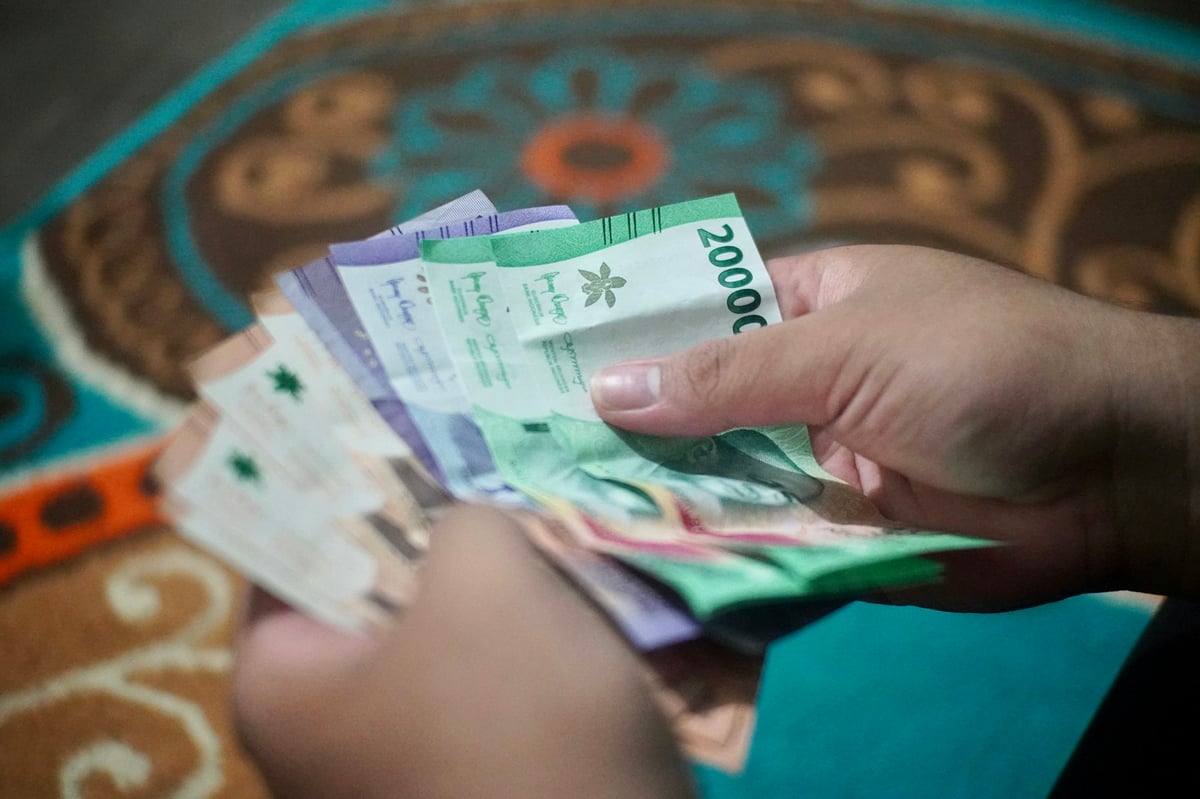
The expensive mistake is not arithmetic, it is colour. The 500,000 dong note and the 20,000 dong note are both blue-ish polymer, and they are separated by a factor of twenty-five. Learn those two notes specifically before you land. Handing over a 500,000 believing it is a 20,000 is an easy mistake to make in dim light at the end of a long day, and an expensive one.
What things actually cost
Rough daily budgets, excluding international flights. These are planning brackets rather than quoted prices, and they move with the region and the season: around $30 to $45 a day travelling cheaply on street food, dorms or basic guesthouses and buses; roughly $60 to $100 for a private room in a good mid-range hotel, restaurant meals and the occasional internal flight; and $150 and up for upper-tier hotels, private drivers and guided days.
Individual prices sit where you would expect from that: a bowl of pho or a banh mi for a couple of dollars, a local beer for about one, a mid-range hotel room for a fraction of the US equivalent. Intercity transport is cheap in absolute terms, though the gap between a sleeper bus and a flight is real money on a tight budget and worth comparing rather than waving away.
Where cards work, and where they stop
Cards work in hotels, chain supermarkets, malls and mid-to-upper restaurants in Hanoi, Ho Chi Minh City, Da Nang and Hoi An. Beyond that, Vietnam runs on cash: street food, markets, most independent cafes, motorbike-taxi fares paid in person, locally bought train and bus tickets, and very nearly everything outside the big cities.
The part Americans are least prepared for is QR payment. You will watch everyone around you pay by phone, because VietQR is near-universal among Vietnamese — and it is tied to a domestic bank account, so it is effectively unavailable to a visitor. Apple Pay is not the equivalent. Plan to carry more physical cash than you would anywhere in Europe.
Getting cash without paying twice for it
Vietnamese ATMs charge a flat fee per withdrawal rather than a percentage, and they cap how much you can take out at once. Those two facts together decide what cash actually costs you, and the rule that follows is simple: withdraw the maximum your bank and the machine allow, as rarely as you can stand.
The arithmetic is worth seeing once. A fixed fee on a small withdrawal can run several percent of the amount; the same fee on a large withdrawal is a fraction of one percent. Five small withdrawals cost five fees. Your US bank's own foreign-transaction charge stacks on top of whatever the Vietnamese machine takes, so check what your own card charges abroad before you travel — that half is within your control and is often the larger one.
Practical habits that save real money
Decline the machine's offer to bill you in dollars. Dynamic currency conversion looks like a courtesy and is a worse exchange rate every time; always choose to be charged in dong. Beyond that: tell your bank you are travelling, carry a second card in a different pocket, and keep a small reserve of clean US dollars for emergencies rather than for spending.
One habit that is not about money at all: tipping. It is not customary in Vietnam and leaving nothing is normal, which surprises most Americans — our practical guide to tipping in Vietnam covers the few situations where it genuinely is expected.
Changing money, and what not to do
Gold and jewellery shops are the traditional place Vietnamese people change money and often give better rates than banks, which is legal and ordinary. Airport exchange counters are the worst rate you will see all trip, so change only what you need to reach your hotel. Never change money with someone who approaches you on the street.
Count what you are handed before you walk away, every time. This is not about dishonesty so much as the zeros: in a stack of similar-looking notes, a miscount is easy in both directions.
What your money decisions are really deciding
Look at what runs underneath all of this. Cash is needed everywhere in Vietnam, including in the middle of Hanoi, but the further you get from the big cities the fewer alternatives there are when you run out — so how much you carry and where you can withdraw quietly set how far off the main corridor you can comfortably travel. How you pay also shapes which transport you can book on the spot versus in advance.
In other words, your money setup quietly draws the boundary of your itinerary, and most people decide it last — after the flights, after the route, after the bookings that assumed they could pay. Which decisions depend on which, and the order that keeps them from colliding, is worked out in Vietnam, End to End.
FAQ
What is the Vietnamese dong, and what trips people up?
Vietnam uses the dong, and it trades in the tens of thousands to the dollar, so every price carries three more zeros than your instincts expect. A bowl of pho priced at 50,000 looks alarming for about two days and then stops registering. Check the current rate before you go rather than memorising one, because it moves.
Where do cards work in Vietnam?
Cards work in hotels, chain supermarkets, malls and mid-to-upper restaurants in Hanoi, Ho Chi Minh City, Da Nang and Hoi An. Beyond that, Vietnam runs on cash: street food, markets, most independent cafes, motorbike-taxi fares paid in person, locally bought train and bus tickets, and very nearly everything outside the big cities.
How do you withdraw cash in Vietnam without paying twice?
Vietnamese ATMs charge a flat fee per withdrawal rather than a percentage, and they cap how much you can take out at once. Those two facts together decide what cash actually costs you, and the rule that follows is simple: withdraw the maximum your bank and the machine allow, as rarely as you can stand.