Hanoi · Ha Long Bay · Hue · Hoi An · Da Nang · Ho Chi Minh City · Mekong Delta · Phu Quoc · Sapa
Vietnam for AmericansFor American travelers

Vietnamese Food: A Guide for First-Timers

How the cuisine is organised, why it changes as you travel, and the dishes that cover most of it.

Editorial
Written and fact-checked for American travelers
·5 min read·
Vietnamese Food: A Guide for First-Timers
On this page
  1. 01The three regions
  2. 02How a meal is built
  3. 03The dishes to know
  4. 04The things people find difficult
  5. 05Where to eat
  6. 06Vegetarian eating
  7. 07What a day of eating looks like
  8. 08Ordering
  9. 09FAQ

Vietnamese food is one of the main reasons people come, and it is easier to eat well here than almost anywhere. The difficulty is not quality, it is navigation: the country's regions cook differently, the best food is often sold by places that make one dish, and the menus are not written for you.

The three regions

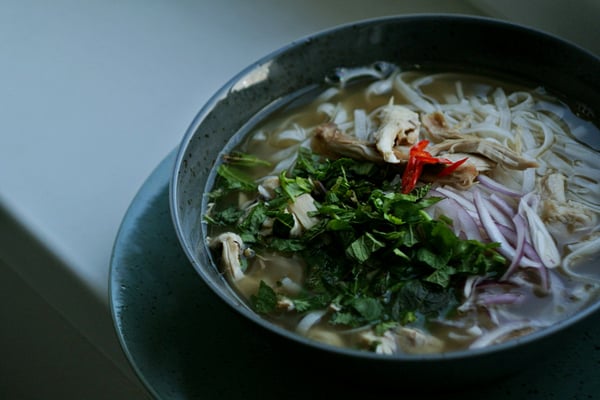
The single most useful thing to understand. The north — Hanoi and the Red River delta — cooks with restraint: less sugar, less chilli, more black pepper and herbs, clear broths. This is where pho and bun cha come from.

The centre — Hue, Hoi An, Da Nang — is the spiciest and the most elaborate, with a court cuisine tradition behind it and a fondness for small, complicated dishes. Bun bo Hue, the little steamed cakes, cao lau.

The south — Ho Chi Minh City and the Mekong — is sweeter, uses coconut milk and more sugar, and has the greatest abundance of fresh herbs and produce. Southern pho is sweeter and comes with a plate of herbs that a northerner would find excessive.

How a meal is built

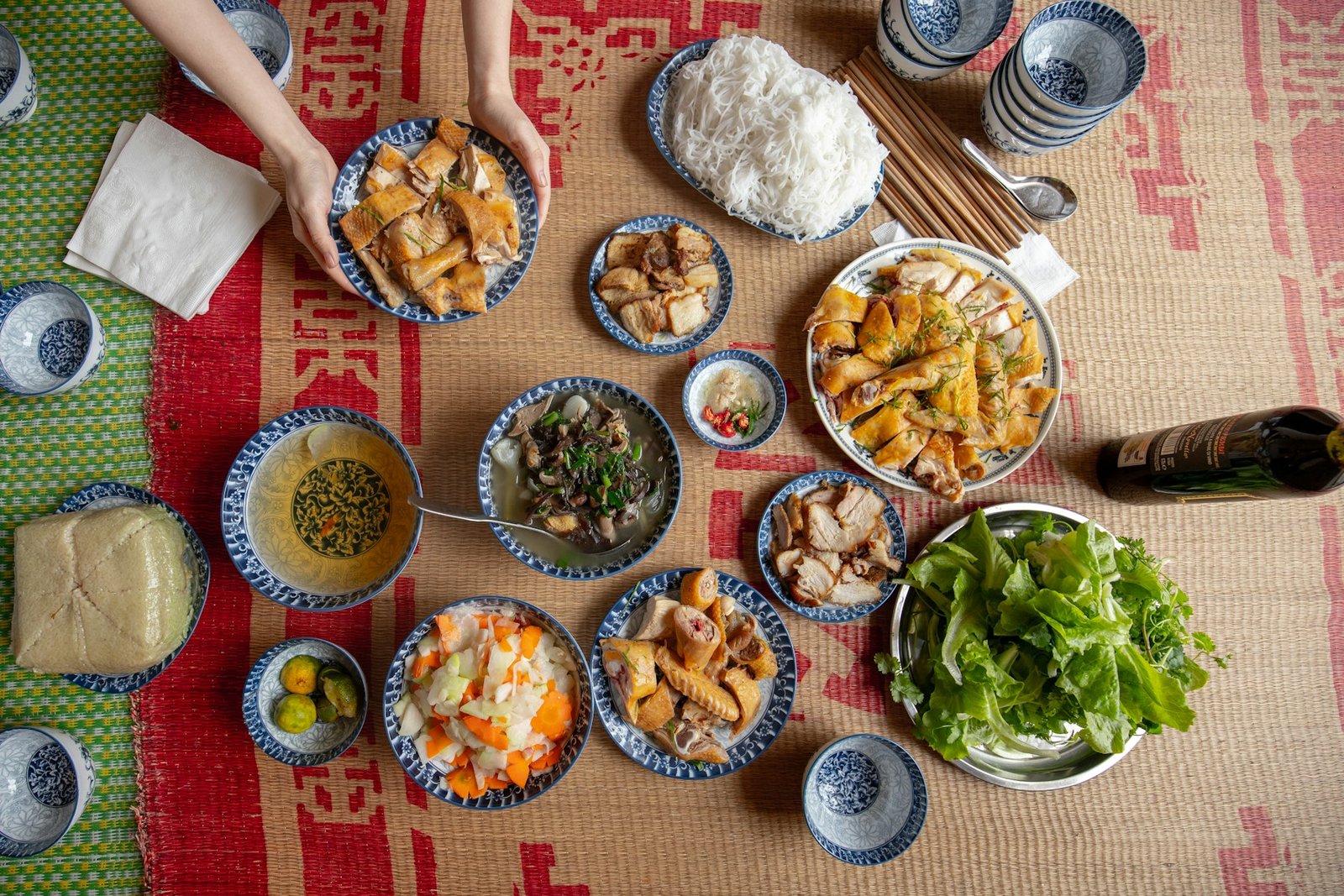
Most Vietnamese dishes are assembled by the eater rather than served finished. A bowl of noodles arrives with a plate of herbs, bean sprouts, lime and chilli beside it, and you add what you want. Grilled meat comes with rice paper, lettuce and herbs to wrap it in.

That is not a garnish you can skip. The herbs are a structural part of the dish, and a bowl eaten without them is a different and lesser thing.
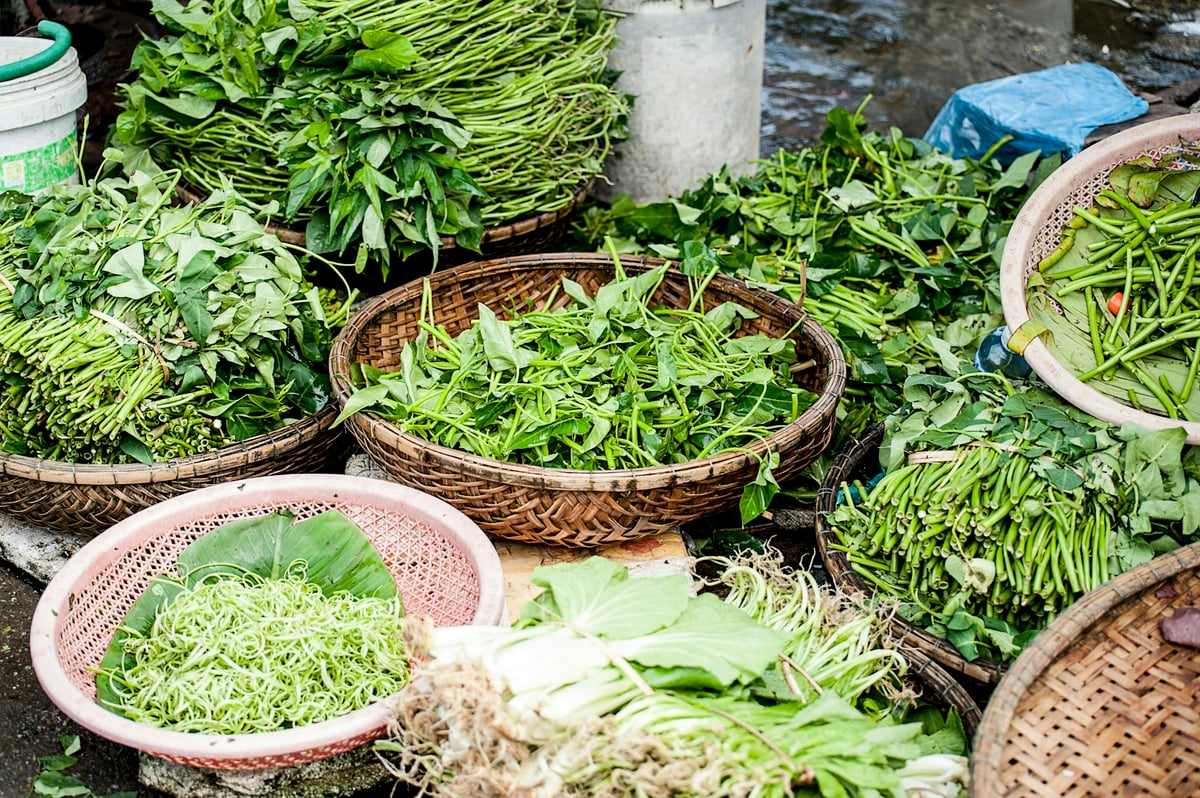
Baskets of fresh herbs and greens at a Vietnamese market

The dipping sauce

Nuoc cham — fish sauce thinned with water, lime, sugar, garlic and chilli — is the thread running through the whole cuisine. Almost everything is dipped in it or dressed with it. The balance varies by region and by cook, and it is worth paying attention to how different it tastes in different places.

The dishes to know

Noodle soups: pho, the beef or chicken noodle soup; bun bo Hue, spicier and with lemongrass; hu tieu, the southern pork noodle soup with a clearer, sweeter broth; mi quang, the central turmeric noodle dish with almost no broth.

Rice dishes: com tam, broken rice with grilled pork chop, egg and pickles; com ga, chicken rice; com binh dan, the point-and-choose canteen rice with several dishes on one plate, which is how most Vietnamese people eat lunch.

Rolled and wrapped: goi cuon, the fresh summer roll; nem ran or cha gio, the fried spring roll; banh cuon, steamed rice sheets rolled around pork and mushroom.

Grilled: bun cha, grilled pork with noodles and dipping broth; nem nuong, pork sausage skewers; banh xeo, the crisp folded pancake you cut and wrap.

The sandwich: banh mi, which needs no introduction and varies enormously from cart to cart.

The things people find difficult

Three honest warnings. Fish sauce is in almost everything and its smell is stronger than its taste in a finished dish — most people who think they dislike it are reacting to the bottle rather than the food. Offal and less familiar cuts appear widely, particularly in noodle soups, and are usually listed, so ask if it matters. And coriander is everywhere; if you are one of the people for whom it tastes of soap, learn to say "khong rau mui".

Chilli is almost always served on the side rather than cooked in, outside the centre. You control the heat.
Where to eat

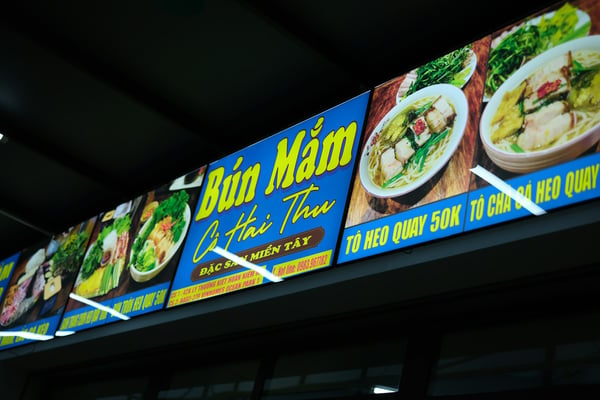
The general rule is that specialisation beats range. A place with one dish written on the sign, a queue at the right hour, and a cook who has made the same thing for years will almost always be better than a restaurant with a laminated menu of forty items.

Plastic stools on the pavement are not a lower tier of restaurant; they are often the top tier. The sit-down places with air conditioning and English menus are generally aimed at visitors and priced for them.

Timing

Many specialist places sell one meal and close. Pho is a breakfast dish and the good shops are out by mid-morning. Bun cha is lunch. Com tam is often late-night. Turning up at two in the afternoon expecting the famous place to be open is the most common way to miss it.

Vegetarian eating

Harder than it looks, because fish sauce is in almost everything, including dishes with no visible animal protein. The solution is the com chay places — Buddhist vegetarian canteens, common across the country and often near pagodas — which are entirely plant-based and inexpensive.

What a day of eating looks like

Breakfast is a hot savoury meal, usually a noodle soup or sticky rice, eaten early and out of the house. Lunch is rice with several dishes, often from a canteen-style place, eaten around eleven or twelve. The afternoon is coffee. Dinner is later and more social, and is where the grilled food, the hotpot and the beer happen.

Eating on that rhythm rather than a Western one is the single easiest way to find the good places open.

Ordering

Pointing works. So does the name of the dish, which is usually also the name of the shop. Prices at specialist street places are generally fixed and posted; where they are not, ask before you sit down.

And eat what the place sells. Asking a bun cha shop for pho is how you get the worst version of both.

FAQ

How does Vietnamese food differ by region?

The single most useful thing to understand. The north — Hanoi and the Red River delta — cooks with restraint: less sugar, less chilli, more black pepper and herbs, clear broths. This is where pho and bun cha come from.

How is a Vietnamese meal assembled?

Most Vietnamese dishes are assembled by the eater rather than served finished. A bowl of noodles arrives with a plate of herbs, bean sprouts, lime and chilli beside it, and you add what you want. Grilled meat comes with rice paper, lettuce and herbs to wrap it in.

Which Vietnamese dishes should you know?

Noodle soups: pho, the beef or chicken noodle soup; bun bo Hue, spicier and with lemongrass; hu tieu, the southern pork noodle soup with a clearer, sweeter broth; mi quang, the central turmeric noodle dish with almost no broth.

Keep planning
Not sure how it all fits together?

Pick your trip length and we'll route a real day-by-day plan.

Build your trip →