Cooking classes are offered in every town a visitor passes through, and they range from genuinely instructive half-days to a token chopping session attached to a lunch. The difference is visible in the itinerary before you book.
The market visit is the test
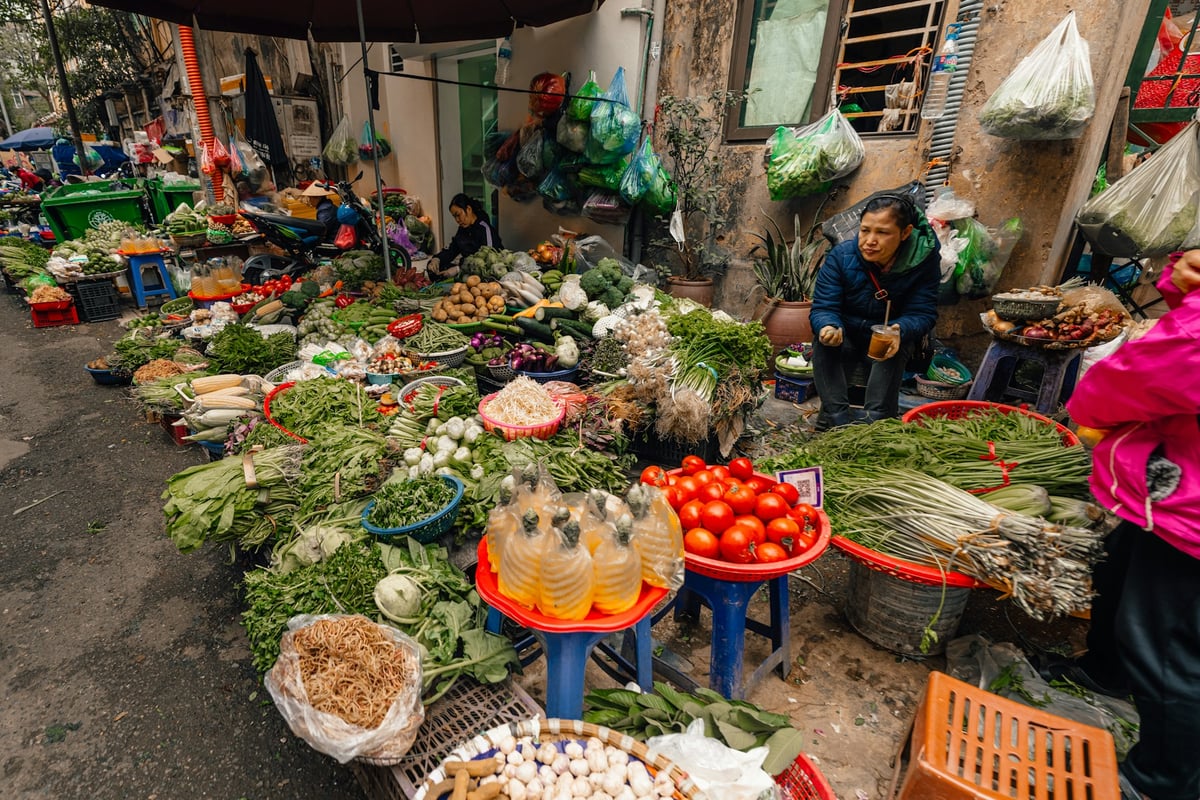
Almost every class advertises a market visit. The question is whether it is forty-five minutes of actually buying the ingredients you will cook, with the teacher explaining what each one is and how to choose it, or a ten-minute walk-through for photographs before the minibus.
The market is where you learn the things that stay with you: what the herbs are called, how to tell good fish sauce, what rice paper thickness is for, why there are four kinds of basil. The cooking itself is mostly following instructions.
Ask how long is spent at the market and whether you buy the ingredients there. A class that cannot answer is telling you the answer.
Group size and stations
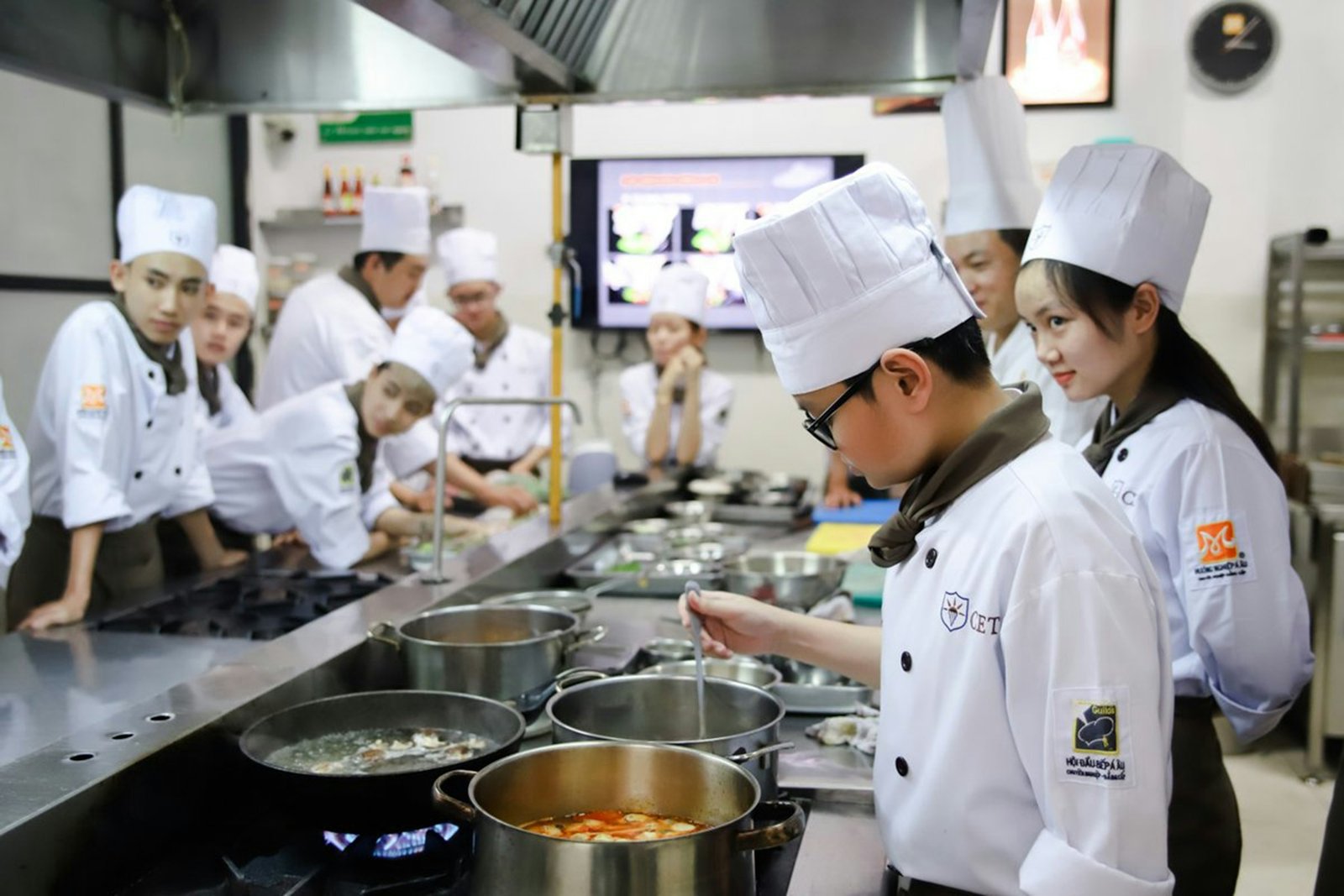
The second question. A class where everyone has their own station and cooks every dish is a different thing from a demonstration where the group collectively makes one dish and watches the rest.
Eight to twelve is a workable group with individual stations. Twenty-plus is a demonstration regardless of what it is called. Ask explicitly: do I cook each dish myself, or do we share?
What you will actually cook
The menus you will see advertised tend to draw from the same pool: fresh spring rolls, a salad such as green papaya or banana flower, a main — banh xeo, clay pot fish, or a grilled dish — and sometimes a soup. These are dishes that are quick, forgiving and photograph well. Read the menu before booking rather than assuming it.
Nothing wrong with that, but if you want to learn pho you will need to look specifically, because a proper broth takes longer than a class does. Classes that teach it generally start the stock the day before and show you the finishing.
Where to take one
Hoi An is the most established place for it, with classes on farms outside town, on boats, and in restaurant kitchens. Many include a bicycle ride or a basket-boat trip to the herb village at Tra Que, which is a genuine working market garden rather than a set piece. (This article contains affiliate links — if you book through them we earn a small commission at no extra cost to you.)
Hanoi teaches northern food — bun cha, cha ca, pho — and the classes are more often city-based, built around a market trip to one of the Old Quarter markets.
Hue is the interesting one if you already cook. The court cuisine is more technical, the dishes are smaller and more precise, and a Hue class will teach you things the others do not.
Ho Chi Minh City covers southern cooking and has the widest range of formats, from hotel schools to home kitchens.
Home kitchens
Smaller operations run classes in a family home for a handful of people, and often cook the family's own dishes rather than the standard tourist menu. They are harder to find because they advertise less, and they are worth looking for.
What you should come away with
A good class sends you home with the recipes in writing, in quantities you can actually buy, with notes on substitutions for ingredients you will not find. Ask whether recipes are provided.
It should also teach you the two or three things that are structural rather than dish-specific: how nuoc cham is balanced, how to handle rice paper, how a Vietnamese plate of herbs is put together. Those transfer to anything you cook afterwards.
What it costs relative to other activities
A half-day class is among the more expensive single activities in a Vietnamese town, several times the cost of a street food tour per hour, because it includes ingredients, a teacher and a meal. The home-kitchen operations are usually the cheapest and often the best, and the hotel schools the most expensive.
Practical points
Most classes run a morning or an afternoon and include the meal you cook, which means you do not need to plan lunch or dinner around it. Say in advance if you are vegetarian — most will adapt the menu properly if given notice.
Wear clothes you can cook in and shoes you can walk a market in. Markets are wet underfoot. Book a day or two ahead in Hoi An, where the good classes fill.
With children
Several classes take families and are good at it — the spring-roll rolling and the pancake flipping are the parts children engage with. Check whether knives and hot woks are part of what they will be doing and whether that suits.
Is it worth the half day
If you cook at home, yes, and the Hue or home-kitchen versions especially. If you do not cook, a class is still a good way to spend a morning in a market with someone who can explain it, which is most of the value anyway.
If your time is tight, a street food tour is generally the shorter commitment and gives you more of the eating and less of the technique. They are different activities, and the choice between them is about whether you want to understand the food or to find it. Compare the actual scheduled times before deciding.
FAQ
What separates a good Vietnamese cooking class from a weak one?
Almost every class advertises a market visit. The question is whether it is forty-five minutes of actually buying the ingredients you will cook, with the teacher explaining what each one is and how to choose it, or a ten-minute walk-through for photographs before the minibus.
Does group size matter in a cooking class?
The second question. A class where everyone has their own station and cooks every dish is a different thing from a demonstration where the group collectively makes one dish and watches the rest.
What do you actually cook in a Vietnamese cooking class?
The menus you will see advertised tend to draw from the same pool: fresh spring rolls, a salad such as green papaya or banana flower, a main — banh xeo, clay pot fish, or a grilled dish — and sometimes a soup. These are dishes that are quick, forgiving and photograph well. Read the menu before booking rather than assuming it.
Keep planning
Not sure how it all fits together?
Pick your trip length and we'll route a real day-by-day plan.