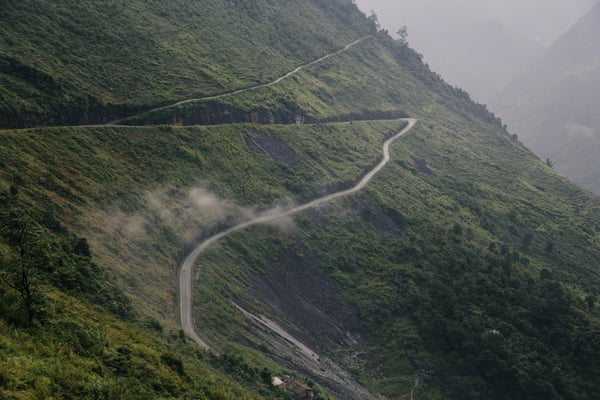
Sapa has changed fast. The town has filled with hotels and construction, and the view from its edge is still extraordinary. The choice is essentially between staying up in the town or down in the valley, and they are different holidays.
Sapa town
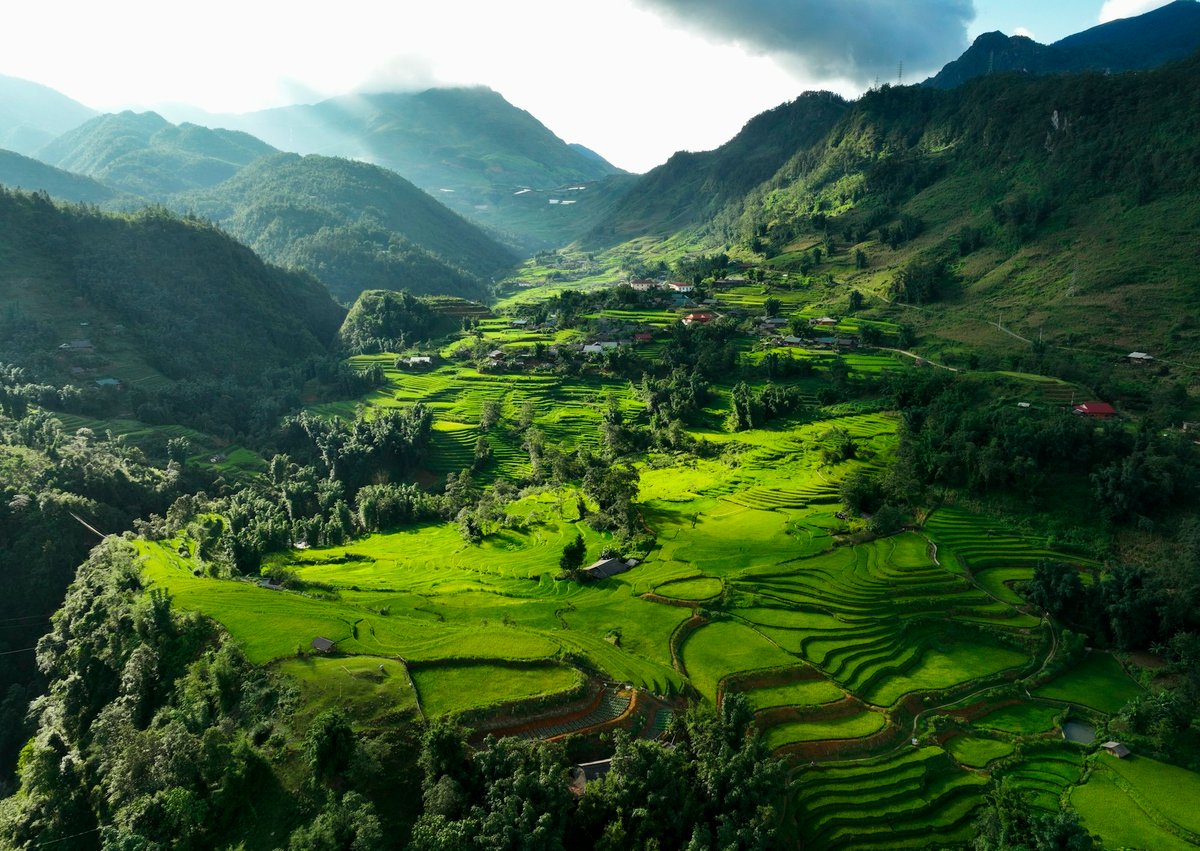
Convenient and comfortable: restaurants, bars, tour agencies, ATMs, hot water, heating in the better places, and a short transfer to every trailhead. The upper hotels have valley views that are genuinely spectacular on a clear morning. (This article contains affiliate links — if you book through them we earn a small commission at no extra cost to you.)
The cost is that the town is a building site in parts and does not feel like the place in the photographs. Mist also sits on the town more than on the valley below it, so the view you paid for is not guaranteed on any given day.
Who it suits
One-night stays, anyone arriving late or leaving early, families, travellers in the cold months who want heating, and anyone who wants dinner options.
The valley villages
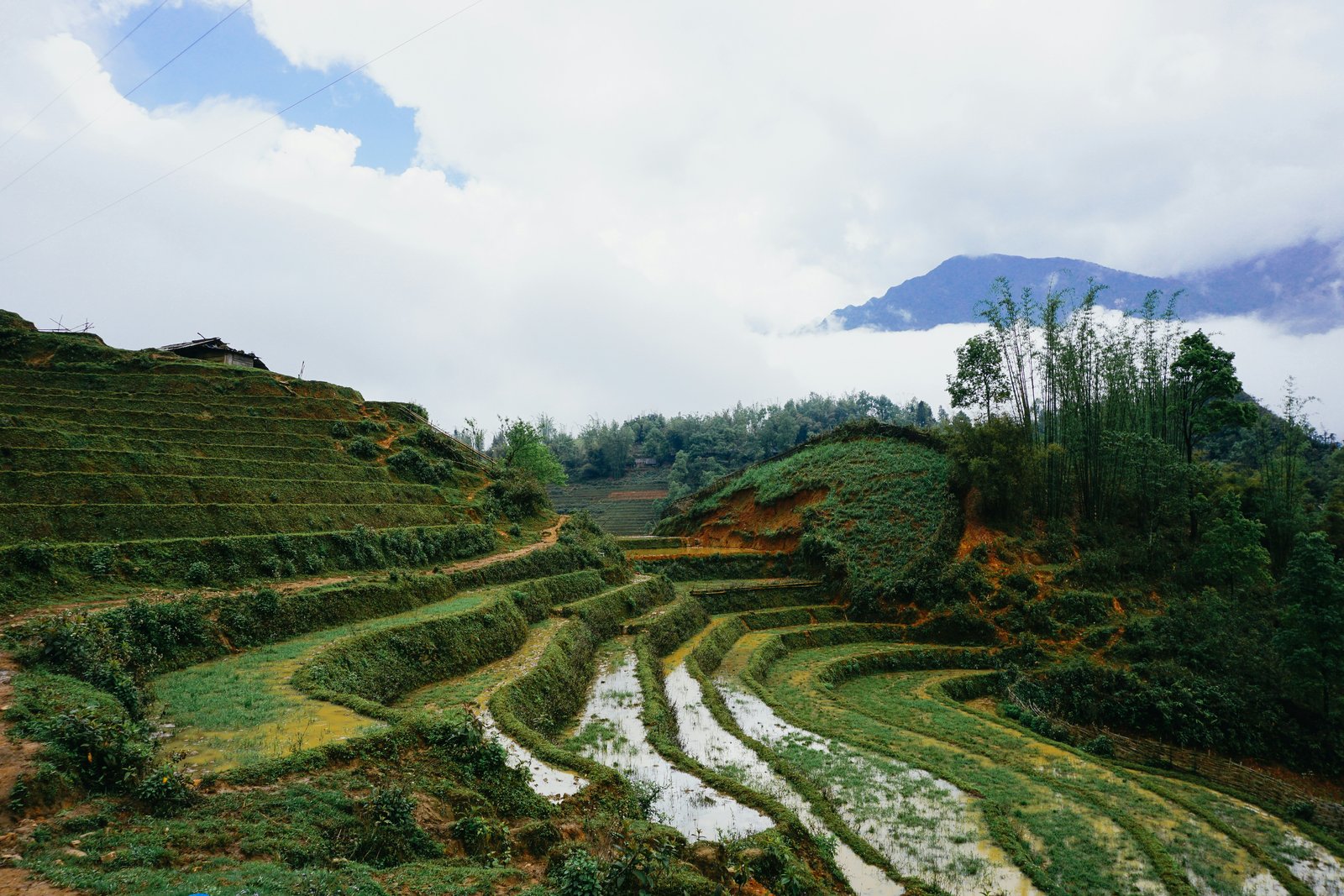
Ta Van is the main village for overnight stays and now has a range of options from family homestays to small boutique lodges with heating and private bathrooms. Lao Chai is closer to town and busier. Both put you in the terraces rather than above them.
The experience is quieter, darker and colder, with far more of the valley to yourself in the early morning. The trade is that getting anywhere means a walk or a transfer, and dining options are limited — at many properties dinner is eaten where you are staying.
Ta Phin and further out
North of town, Ta Phin is a Dzao area with fewer visitors and a handful of homestays. Ban Ho, lower and warmer, is further still. Both suit travellers with time to spare who want to be past the main circuit; on a single night, the transfers eat most of what you came for.
Homestay versus boutique lodge
These are sold under the same heading and are very different. A traditional homestay is a bed in a family home, often a shared room, shared bathroom and no heating. A boutique valley lodge is a hotel with a view, a private bathroom, hot water and a price to match.
Both are worth having, but book knowing which you have. A recurring complaint about Sapa accommodation is the mismatch between the word homestay and what the traveller expected it to mean.
Fansipan and the cable car station
The cable car base station sits on the edge of town, so a hotel on that side saves a transfer if Fansipan is on your list. It is a minor consideration unless you want to go up early, which at least lets you react to the conditions you can see.
What to check before booking
Heating, between roughly November and March — many valley properties have none and the nights are genuinely cold. Whether the bathroom is private. Whether transfers to and from Sapa town are included, because they often are not and taxis down the valley are not always easy to find. And whether the price includes dinner, which in a valley stay it usually should.
Ask about the walk in, too. Some valley accommodation is a few hundred metres from a road and some is a thirty-minute walk with your bag.
Views
A valley-view room is worth paying for in Sapa town and is worth nothing on a day the mist is down. If the view is the reason you are going, two nights gives you a second morning to try for, which is the only real hedge available.
What has changed, and why people warn you
Sapa town has been built up rapidly, and travellers who came a decade ago often describe it as spoiled. That is worth knowing and worth placing: the construction is concentrated in the town itself, while the valley below remains working farmland, even though tourism has reached it too.
The practical response is to treat the town as a base and transit point rather than a destination, and to spend your actual time below it. Visitors who do that tend to report a very different trip from those who stay up top and look down.
Cat Cat village
The closest village to the town, walkable downhill in half an hour, and heavily developed for day visitors with an entrance fee and a built path. It is convenient and it is not representative. If it is all you have time for it is better than nothing; if you have a day, walk the Muong Hoa valley instead.
How many nights
One night is enough to say you went and not enough to see much, given that the journey each way takes most of a day. Two is the number that works: arrive, walk, sleep in the valley, walk out and leave. Three lets you add Fansipan or a quieter route without rushing.
Because the journey from Hanoi is long, the number of nights here has an outsized effect on what else fits in a northern leg. Weighing that against Ha Long and Ninh Binh is one of the sequencing questions Vietnam, End to End works through.
FAQ
Should you stay in Sapa town?
Convenient and comfortable: restaurants, bars, tour agencies, ATMs, hot water, heating in the better places, and a short transfer to every trailhead. The upper hotels have valley views that are genuinely spectacular on a clear morning. (This article contains affiliate links — if you book through them we earn a small commission at no extra cost to you.)
What are the Sapa valley villages like?
Ta Van is the main village for overnight stays and now has a range of options from family homestays to small boutique lodges with heating and private bathrooms. Lao Chai is closer to town and busier. Both put you in the terraces rather than above them.
What is the difference between a Sapa homestay and a lodge?
These are sold under the same heading and are very different. A traditional homestay is a bed in a family home, often a shared room, shared bathroom and no heating. A boutique valley lodge is a hotel with a view, a private bathroom, hot water and a price to match.