Hanoi · Ha Long Bay · Hue · Hoi An · Da Nang · Ho Chi Minh City · Mekong Delta · Phu Quoc · Sapa
Vietnam for AmericansFor American travelers

Best Time to Visit Vietnam

There is no single best month for Vietnam. The country spans three climates at once, and the right answer depends on which third you are visiting.

Editorial
Written and fact-checked for American travelers
·5 min read·
Best Time to Visit Vietnam
On this page
  1. 01The short answer, if you want one
  2. 02The north: four real seasons
  3. 03The centre: a short, violent wet season
  4. 04The south: wet and dry, not hot and cold
  5. 05Festival timing as a reason, not an obstacle
  6. 06When not to go
  7. 07FAQ

Vietnam runs about a thousand miles from north to south, and that length is the whole answer to this question. At any given moment the country is running three different climates, so a month that is perfect in one region can be the worst of the year in another. The useful question is not when to visit Vietnam but which Vietnam you are visiting.

The short answer, if you want one

March and April are the best single compromise across the whole country. The north has warmed up and dried out, the centre is in its reliable dry run, and the south is still in its dry season. Prices sit in shoulder territory and the crowds are manageable. If you are flying from the United States and can only choose one window for a two-week trip that touches all three regions, this is it.

October and November are the other strong window, and in the north they are arguably better than spring: clear air, comfortable temperatures, and the Sapa rice terraces at their most photogenic. The catch is the centre, and it is a real one — see below before you commit.

Why most articles get this wrong

Search for this question and you will get a single month as an answer. That only works if your trip stays in one region. Once your itinerary includes both Hanoi and Hoi An, some months serve both well and others force a trade — and spotting which is which is the actual decision.
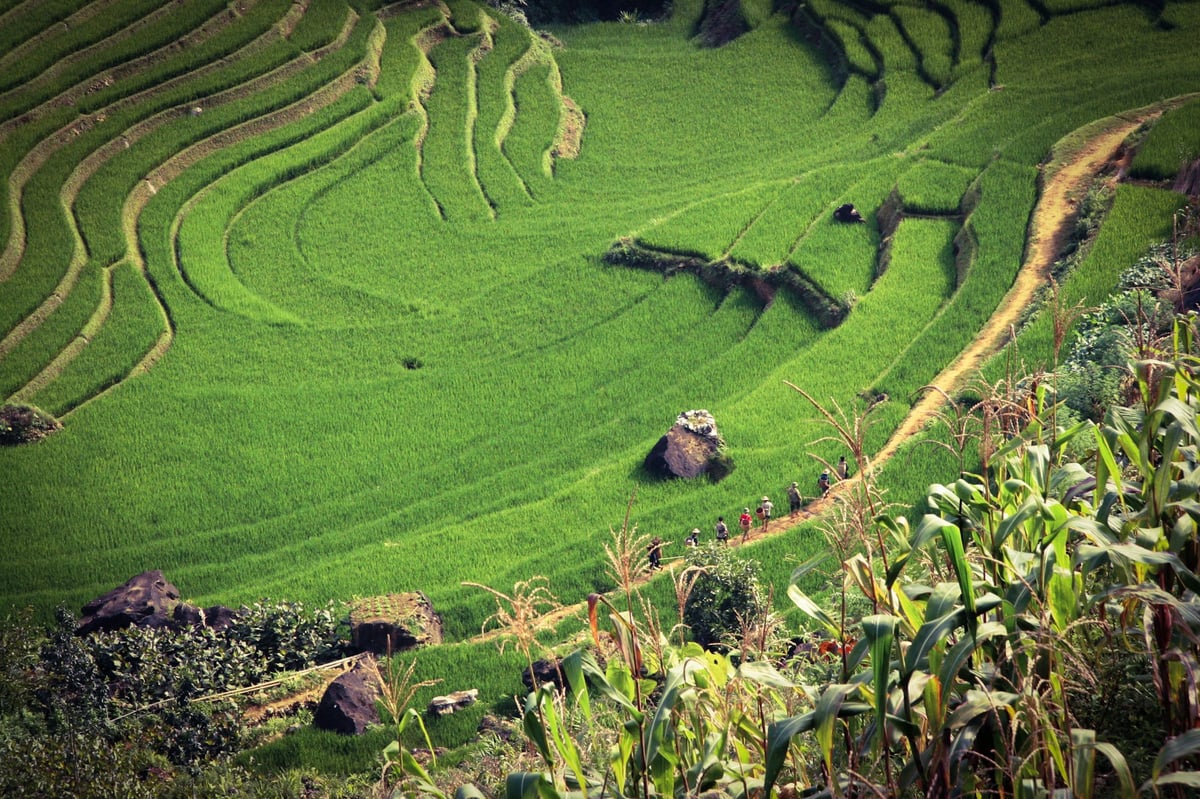
Bright green rice terraces in the northern Vietnamese highlands during the growing season

One country, three weather windows: Hanoi · Da Nang · Ho Chi Minh City. (Enable JavaScript for the interactive map.)

The north: four real seasons

Hanoi, Ha Long Bay, Ninh Binh and Sapa get a genuine winter. From December to February expect temperatures in the 50s and 60s Fahrenheit with a persistent grey drizzle the Vietnamese call mua phun — not heavy rain, but damp, overcast and colder than almost any American expects of Southeast Asia. Sapa can approach freezing and occasionally sees snow.

Summer runs hot and wet: June through August brings the 90s with high humidity and the year's heaviest rainfall. The shoulders are the sweet spots. October and November are reliably clear and mild, and March and April warm steadily without the summer downpours.

The air-quality caveat nobody mentions

The State Department notes that air pollution is a significant problem in Vietnam’s major cities, especially Hanoi, and the worst stretch overlaps the cool dry months that are otherwise the north's best — roughly November through March, when still air traps pollution over the Red River delta. That is not a reason to avoid Hanoi in winter, but if you are asthmatic or travelling with someone who is, it belongs in the decision. Check a live air-quality reading rather than a figure printed in any article, including this one.

The centre: a short, violent wet season

Hue, Da Nang and Hoi An are driest from February to August, and that is when their beaches work. The complication is September to November, which is typhoon season on this coast. Hoi An's old town floods in most years, boat trips get cancelled at short notice, and Hue is the wettest major city in the country during this window.

This is the single biggest planning conflict in Vietnam. October and November are excellent in Hanoi and unreliable in Hoi An. Storms are forecastable a few days out but not months ahead, so an autumn trip spanning both regions is a bet rather than a plan you can optimise: keep slack in the central leg, book refundable where you can, and be prepared to lose more than a beach day if a typhoon lands.
The south: wet and dry, not hot and cold

Ho Chi Minh City, the Mekong Delta and Phu Quoc are warm year-round, typically in the 80s and 90s, and the seasons are defined by rain rather than temperature. Dry season runs December to April. Wet season runs May to November, and it is less disruptive than it sounds: the pattern is a heavy afternoon downpour for an hour or two rather than all-day rain, and mornings are usually clear.

Travelling the south in the wet season is a reasonable trade for lower prices and thinner crowds, provided you plan activities for the morning. Phu Quoc is the exception where the sea gets rough enough to matter for boat trips.

Festival timing as a reason, not an obstacle

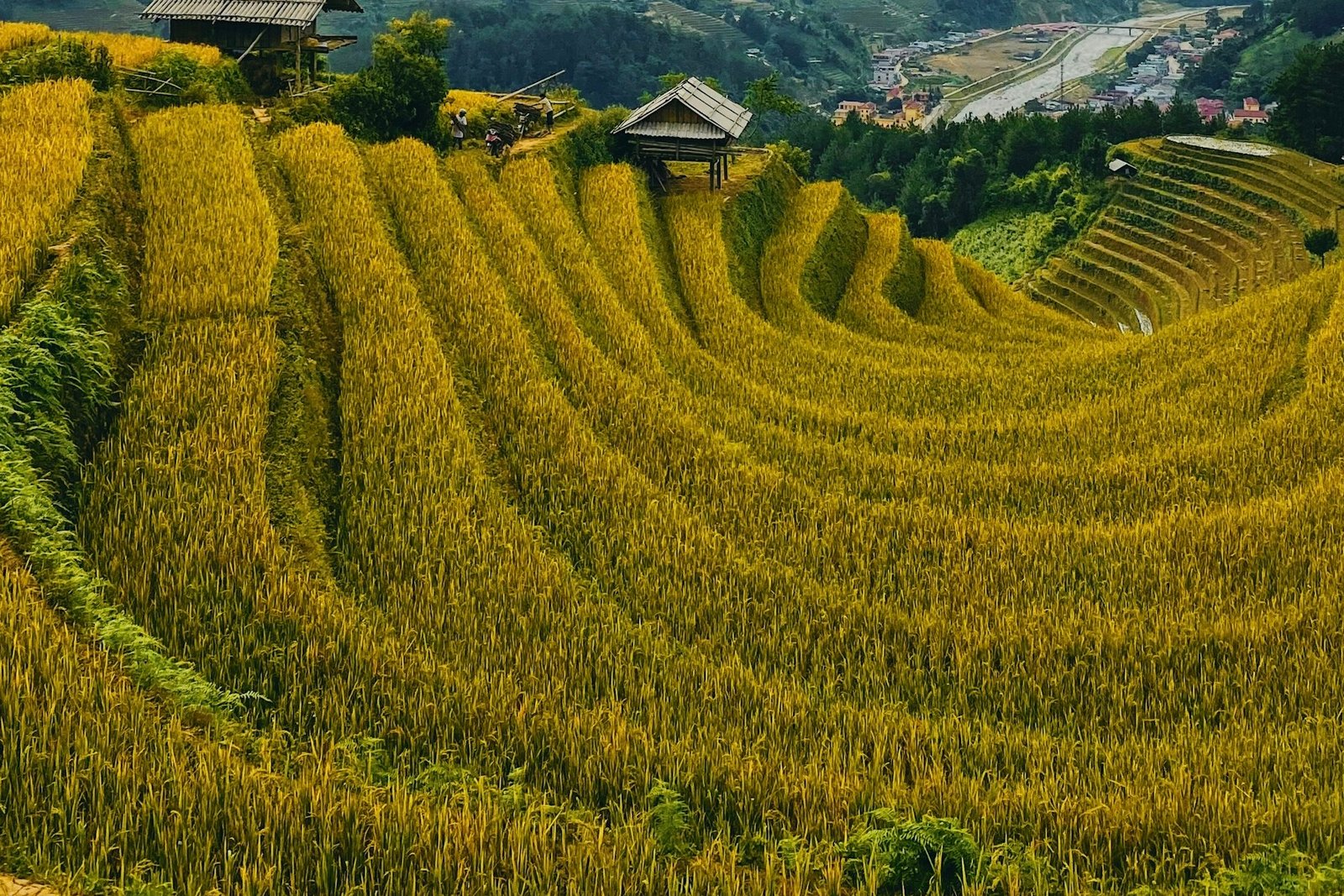
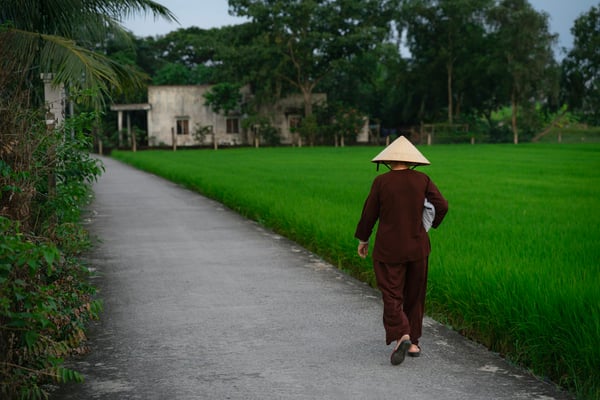
Two dates are worth bending an itinerary for. The rice harvest in the northern terraces falls around September and October, which is when Sapa and Ha Giang look the way they do in photographs, and the northern weather in that window is reliably good. The Mid-Autumn Festival, usually September, is at its best in Hoi An — but it sits inside the central coast's storm season, so it is the one case here where the festival and the weather pull against each other.

When not to go

Tet, the Lunar New Year, is the one period that can genuinely derail a trip. The dates move with the lunar calendar — in 2027 Tet falls on 6 February, with the public-sector holiday announced as 4 to 10 February — and the disruption runs wider than the official week. Popular domestic flights and trains book out well in advance and fares rise sharply, many family-run businesses close for several days, and cities empty while the countryside fills. Always verify the dates for your own year before booking.

The other date to know is the Reunification Day and Labour Day pair at the end of April, when Vietnamese travellers fill the beaches and hill towns and prices spike for a long weekend whose exact shape is set by government announcement each year.

FAQ

What is the best time to visit Vietnam?

March and April are the best single compromise across the whole country. The north has warmed up and dried out, the centre is in its reliable dry run, and the south is still in its dry season. Prices sit in shoulder territory and the crowds are manageable. If you are flying from the United States and can only choose one window for a…

Does northern Vietnam get a real winter?

Hanoi, Ha Long Bay, Ninh Binh and Sapa get a genuine winter. From December to February expect temperatures in the 50s and 60s Fahrenheit with a persistent grey drizzle the Vietnamese call mua phun — not heavy rain, but damp, overcast and colder than almost any American expects of Southeast Asia. Sapa can approach freezing and occasionally sees snow.

When is the wet season in central Vietnam?

Hue, Da Nang and Hoi An are driest from February to August, and that is when their beaches work. The complication is September to November, which is typhoon season on this coast. Hoi An's old town floods in most years, boat trips get cancelled at short notice, and Hue is the wettest major city in the country during this window.

Keep planning
Not sure how it all fits together?

Pick your trip length and we'll route a real day-by-day plan.

Build your trip →